Cloud Native Application Development Services In USA
Modern businesses require applications that are fast, scalable, secure, and capable of adapting to rapidly changing customer demands. Traditional software architectures often struggle to support continuous innovation, high traffic volumes, and frequent feature releases. This is why organizations across industries are increasingly investing in Cloud Native Application Development Services in the USA.
Cloud-native development enables businesses to build, deploy, and manage applications that fully utilize cloud environments. Instead of relying on monolithic software systems, organizations embrace microservices, containers, Kubernetes, DevOps automation, and serverless computing to deliver reliable digital experiences.
Whether you're building a new enterprise platform, modernizing legacy software, or migrating workloads to the cloud, cloud-native application development provides the flexibility, resilience, and performance required for long-term business success.
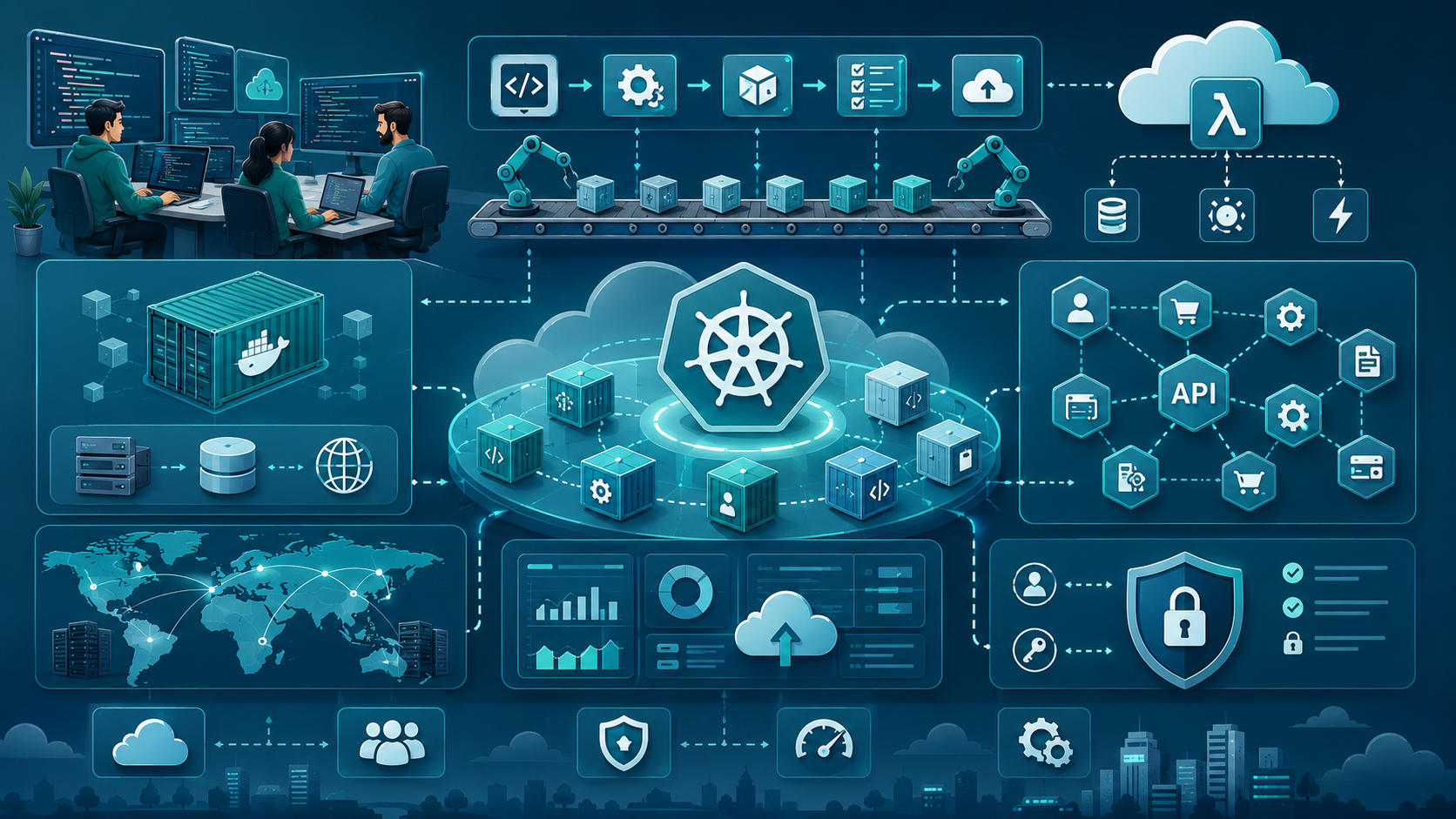
What Are Cloud Native Application Development Services?
Cloud Native Application Development Services involve designing, developing, deploying, and maintaining applications specifically optimized for cloud infrastructure rather than traditional on-premises environments.
These services focus on creating applications using modern architecture, scalable infrastructure, flexible platforms, and advanced software engineering practices. Unlike conventional applications, cloud-native solutions are designed for continuous deployment, high availability, rapid scaling, and automated operations.
Cloud-native development combines technologies such as:
- Kubernetes
- Docker
- Microservices
- Serverless Computing
- DevOps
- CI/CD Pipelines
- API-driven Architecture
- Cloud Infrastructure
- Container Orchestration
Together, these technologies allow organizations to deliver applications faster while maintaining exceptional security, reliability, and operational efficiency.
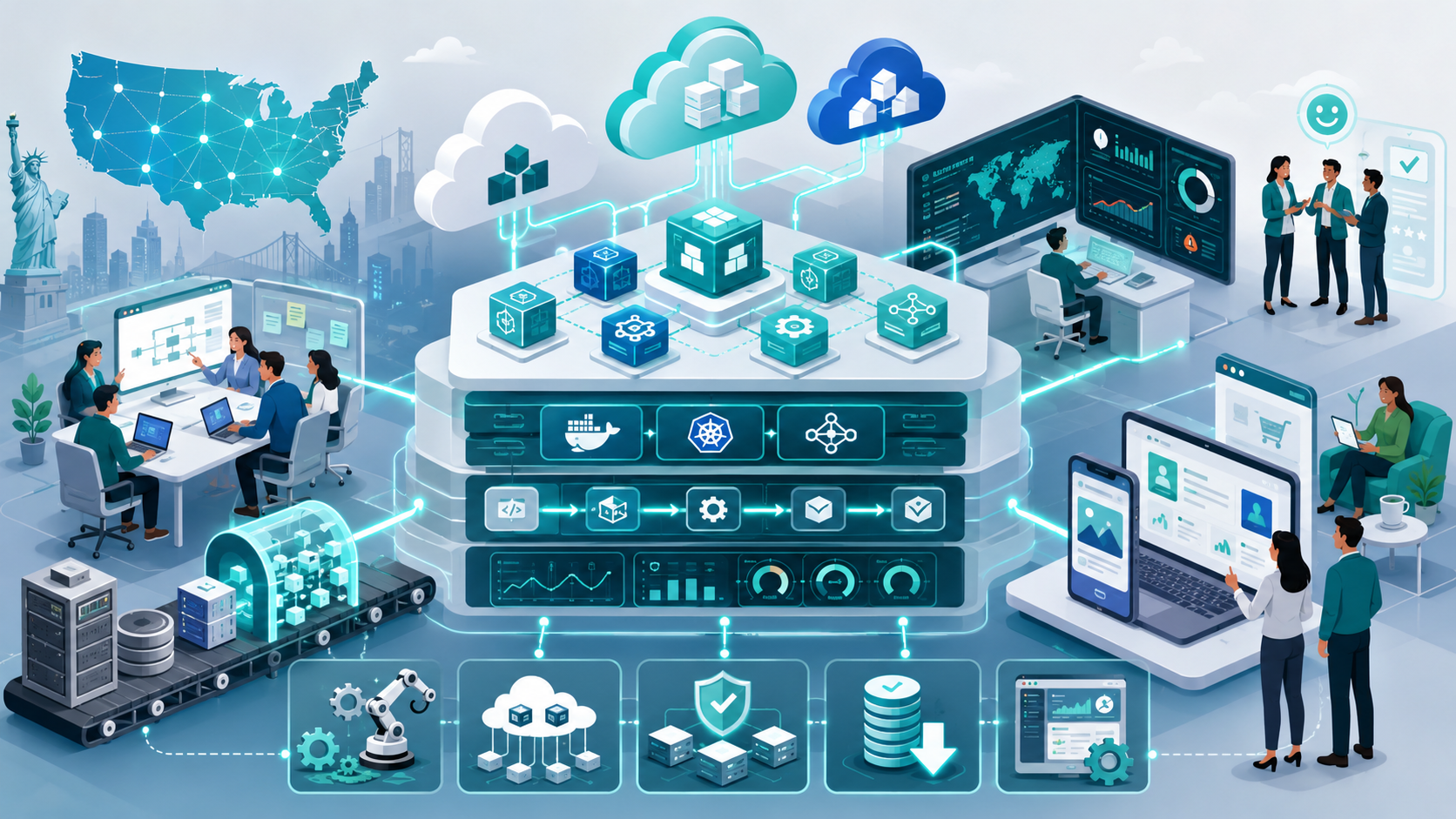
Why Businesses in the USA Are Adopting Cloud Native Development
Digital transformation has accelerated across every industry in the United States. Organizations require applications capable of supporting millions of users, handling unpredictable workloads, and enabling continuous innovation.
Cloud-native applications help businesses:
- Improve operational agility
- Accelerate software releases
- Reduce infrastructure costs
- Increase application availability
- Enhance resilience against failures
- Simplify modernization initiatives
- Improve customer experiences
- Support hybrid and multi-cloud deployments
- Automate deployment processes
- Enable continuous innovation
As organizations expand digitally, cloud-native architecture becomes the preferred approach for sustainable software development.
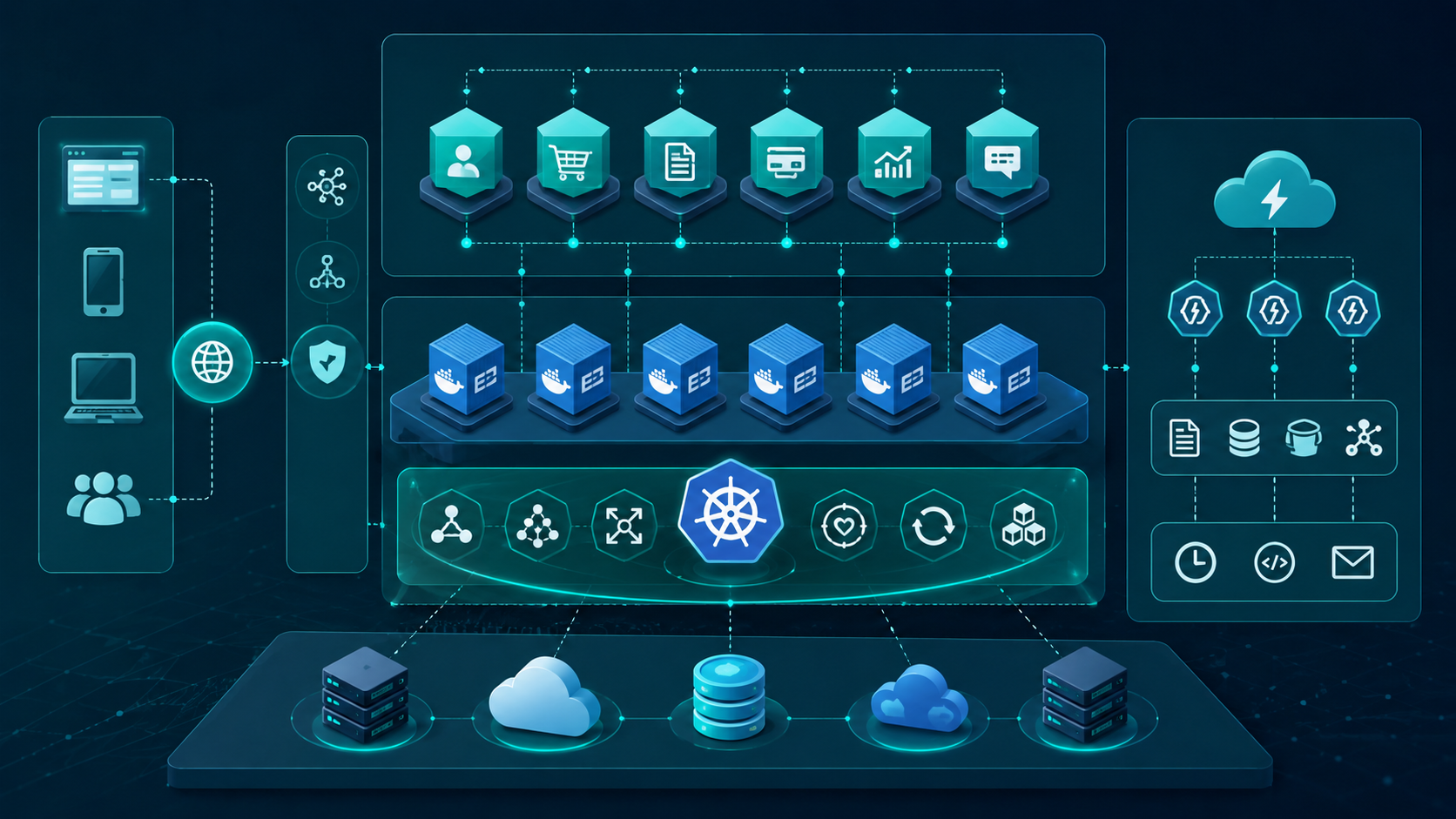
Core Components of Cloud Native Application Development
Cloud Native Architecture
Cloud-native architecture separates applications into independent services that communicate through lightweight APIs. Working with a US cloud native software team for scalable applications helps businesses design scalable architecture, API-first systems, containerized services, DevOps automation, monitoring, and resilient cloud infrastructure from the beginning.
Key architectural characteristics include:
- Distributed systems
- Service-oriented design
- API-first development
- Event-driven architecture
- Stateless services
- Elastic infrastructure
Microservices
Instead of developing one large application, cloud-native systems divide functionality into independent microservices.
Each microservice can:
- Be developed independently
- Scale individually
- Deploy without affecting other services
- Use different programming frameworks
- Improve fault isolation
Microservices increase flexibility while simplifying long-term software maintenance.
Containerization
Containerization packages applications with all required dependencies into lightweight containers.
Benefits include:
- Consistent environments
- Faster deployment
- Improved portability
- Better resource utilization
- Simplified application management
Docker has become the industry standard for containerization.
Kubernetes Orchestration
Managing hundreds or thousands of containers manually is impossible.
Kubernetes automates:
- Container scheduling
- Load balancing
- Service discovery
- Auto scaling
- Self-healing
- Rolling updates
- Resource management
This orchestration layer enables highly available enterprise applications.
Serverless Computing
Certain cloud-native workloads benefit from serverless platforms where developers only write business logic while cloud providers manage infrastructure.
Advantages include:
- Automatic scaling
- Reduced operational overhead
- Pay-per-use pricing
- Faster deployment
- Simplified maintenance
Serverless works well for APIs, background jobs, event processing, and automation.
Cloud Native Development Lifecycle
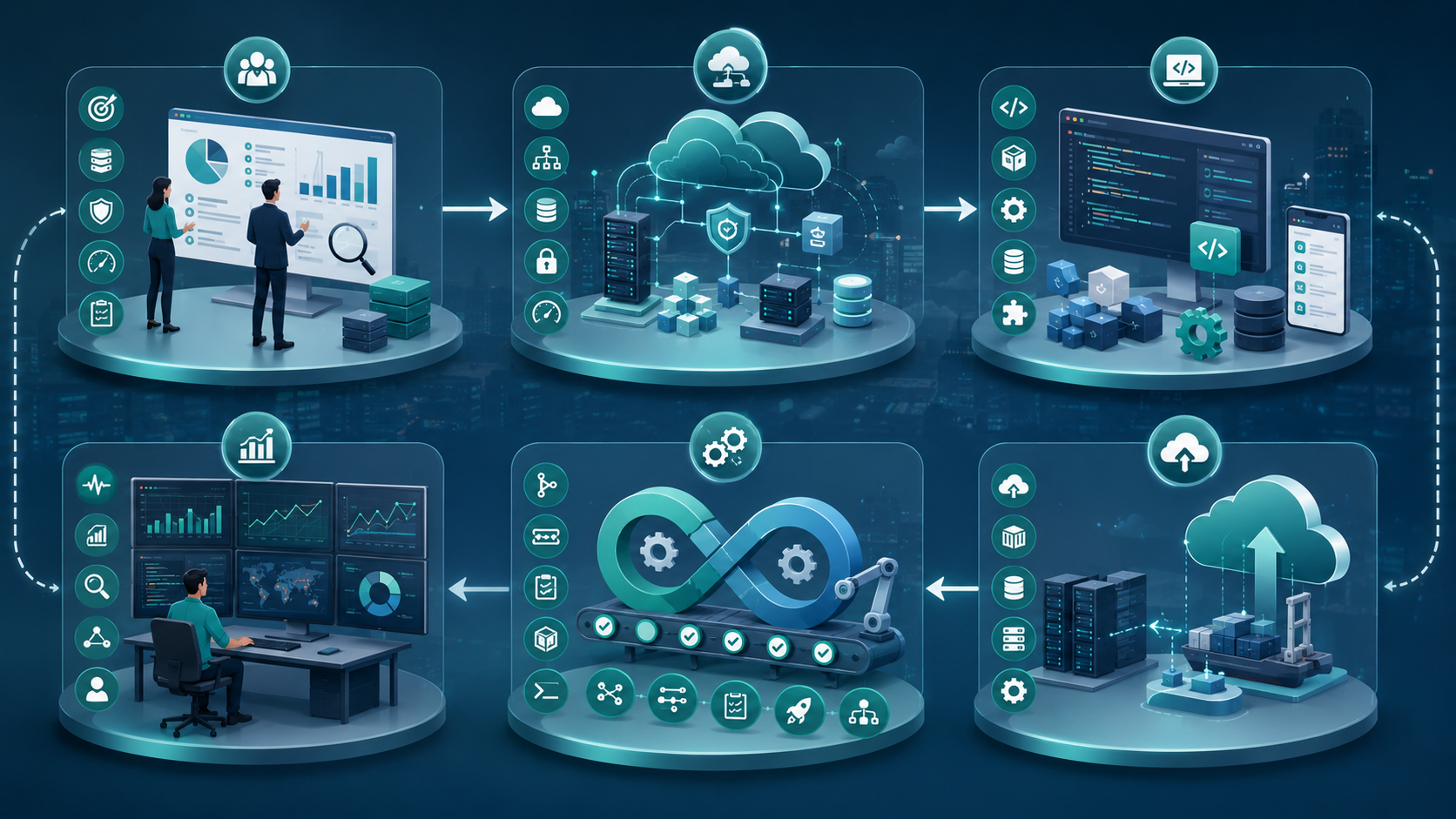
Professional Cloud Native Application Development Services typically include the following phases.
1. Business Assessment
Every successful cloud-native project starts with a detailed business assessment. This phase evaluates business objectives, existing applications, infrastructure, workloads, compliance requirements, and performance expectations. The insights gathered help create a development strategy that aligns technology with long-term business goals.
Development begins by understanding:
- Business goals
- Existing software
- Infrastructure
- Workloads
- Compliance requirements
- Performance expectations
2. Architecture Design
A well-planned cloud-native architecture provides the foundation for scalable and reliable applications. It focuses on high availability, security, elasticity, networking, storage, compute resources, and database design. A strong architecture ensures optimal performance while supporting future growth.
Experts design scalable cloud-native architecture focusing on:
- High availability
- Elasticity
- Security
- Performance
- Networking
- Storage
- Compute resources
- Database strategy
3. Application Development
Application development involves building modern, cloud-ready software using scalable technologies and frameworks. Developers create backend services, frontend applications, APIs, databases, and microservices that work together seamlessly. This approach improves maintainability, flexibility, and overall application performance.
Software engineers build:
- Backend services
- Frontend applications
- APIs
- Databases
- Microservices
- Integration layers
Modern frameworks ensure maintainable and scalable codebases.
4. Cloud Migration & Modernization
Cloud migration and modernization help businesses upgrade legacy applications without starting from scratch. The process includes application and database migration, infrastructure modernization, containerization, platform optimization, and API integration. This reduces operational risks while accelerating digital transformation.
Cloud modernization includes:
- Application migration
- Infrastructure modernization
- Database migration
- Containerization
- Platform optimization
- API integration
This reduces risk while accelerating digital transformation.
5. DevOps Automation
DevOps automation streamlines software development and deployment through standardized workflows. It includes source code management, CI/CD pipelines, automated testing, continuous integration, continuous deployment, and Infrastructure as Code. These practices improve deployment speed, consistency, and software quality.
DevOps practices automate software delivery using:
- Source code repositories
- CI/CD pipelines
- Automated testing
- Continuous integration
- Continuous deployment
- Infrastructure as Code
Automation reduces human errors while improving deployment frequency.
6. Monitoring & Observability
Monitoring and observability ensure cloud-native applications remain reliable and high-performing after deployment. By collecting logs, metrics, distributed traces, application health data, and infrastructure insights, teams can quickly identify and resolve issues. This enables proactive maintenance and delivers a better user experience.
Monitoring solutions collect:
- Logs
- Metrics
- Distributed traces
- Application health
- Infrastructure performance
- User behavior
Observability enables faster troubleshooting and proactive maintenance.
Essential Technologies Used in Cloud Native Development
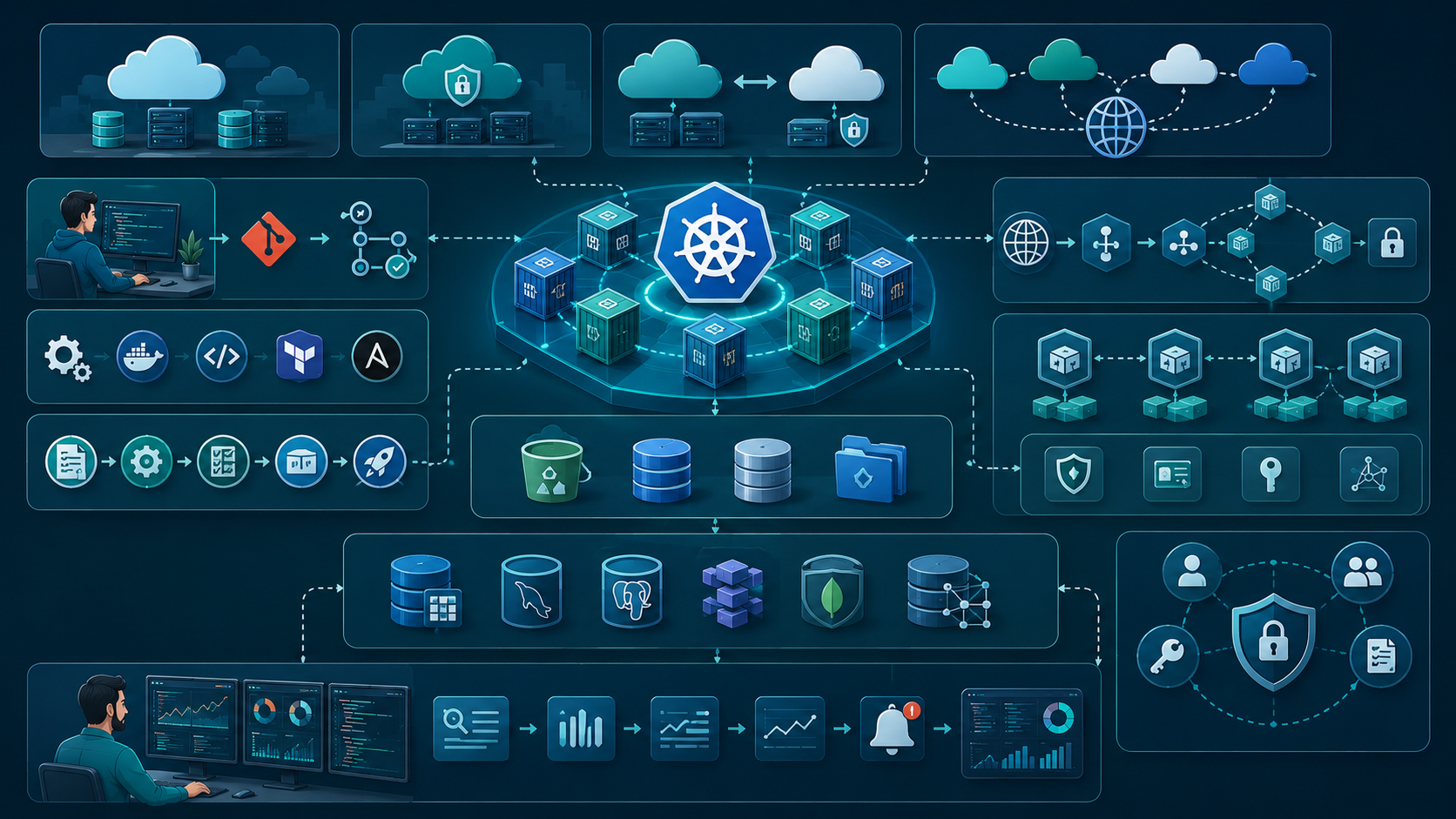
Modern cloud-native platforms rely on multiple technologies working together.
Infrastructure
- Public cloud
- Private cloud
- Hybrid cloud
- Multi-cloud
Containerization
- Docker
- OCI Containers
Orchestration
- Kubernetes
- Managed Kubernetes Services
DevOps
- CI/CD Pipelines
- Git Repositories
- Automation Tools
Networking
- Service Mesh
- API Gateway
- Load Balancers
Storage
- Object Storage
- Block Storage
- File Storage
Databases
- SQL Databases
- NoSQL Databases
- Distributed Databases
Monitoring
- Logging Platforms
- Monitoring Tools
- Observability Platforms
Key Benefits of Cloud Native Application Development Services
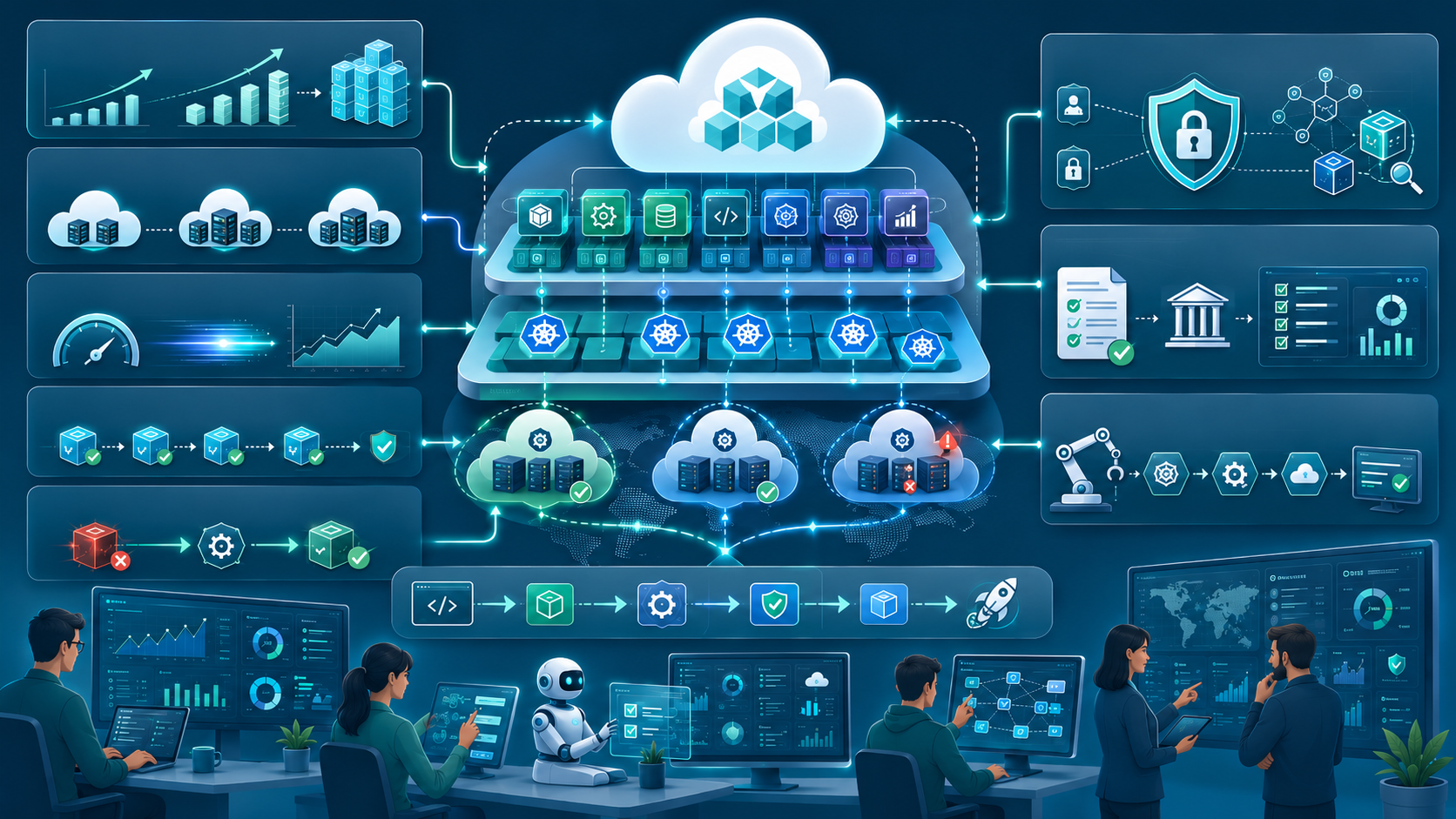
Improved Scalability
Cloud-native applications automatically scale resources based on real-time demand, ensuring consistent performance during traffic spikes. This flexibility helps businesses avoid overprovisioning while reducing infrastructure costs. As workloads grow, applications continue to deliver a seamless user experience without interruption.
High Availability
Cloud-native systems are designed to maximize application uptime by distributing workloads across multiple servers and cloud environments. If one component fails, traffic is redirected to healthy instances automatically. This ensures business continuity and minimizes service disruptions.
Better Performance
Modern cloud-native architectures optimize compute, networking, and resource allocation to deliver faster application performance. Features like containerization and microservices reduce latency and improve responsiveness. Users benefit from quicker load times and a smoother digital experience.
Enhanced Reliability
Cloud-native applications improve reliability by isolating services so that failures in one component do not affect the entire system. Automated recovery mechanisms and health checks quickly restore failed services. This approach helps maintain stable and dependable application performance.
Greater Resilience
Resilience is built into cloud-native applications through fault-tolerant architecture and automated recovery capabilities. Applications can recover rapidly from hardware, software, or network failures with minimal downtime. This ensures continuous operations even in unexpected situations.
Faster Deployment
Automated DevOps pipelines enable developers to build, test, and deploy applications quickly and consistently. Continuous Integration and Continuous Deployment (CI/CD) reduce manual effort and speed up software releases. Businesses can introduce new features and updates without disrupting users.
Stronger Security
Cloud-native security integrates protection throughout the development lifecycle using identity management, encryption, secure APIs, and container security. Continuous vulnerability scanning and compliance monitoring help identify and address potential risks. This proactive approach strengthens overall application security.
Improved Compliance
Cloud-native platforms simplify regulatory compliance by implementing automated governance policies, audit logging, and secure infrastructure configurations. Continuous monitoring helps organizations meet industry standards and compliance requirements. This reduces operational risks while supporting secure business operations.
Operational Efficiency
Automation streamlines infrastructure provisioning, application deployment, monitoring, and maintenance across cloud environments. By reducing repetitive manual tasks, development and operations teams can focus on innovation and business growth. This leads to improved productivity, faster delivery, and lower operational costs.
Cloud Native vs Traditional Applications
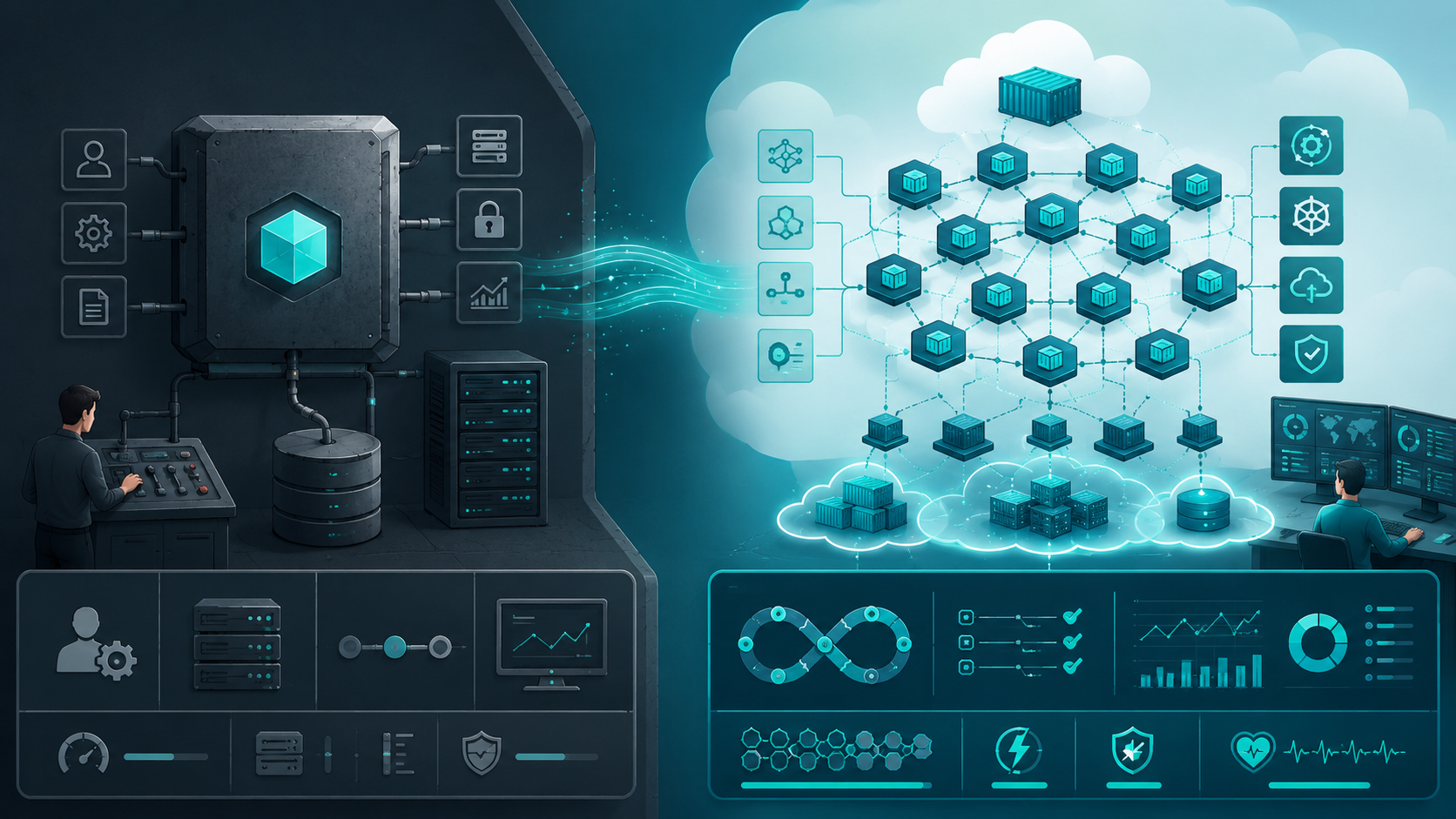
| Feature | Traditional Applications | Cloud Native Applications |
|---|---|---|
| Architecture | Monolithic | Microservices |
| Deployment | Manual | Automated |
| Scaling | Vertical | Horizontal |
| Infrastructure | Static | Elastic |
| Availability | Moderate | High |
| Automation | Limited | Extensive |
| Monitoring | Basic | Full Observability |
| Deployment Speed | Slow | Continuous |
| Reliability | Moderate | High |
| Innovation | Slower | Rapid |

Industries Using Cloud Native Development
Organizations across the USA leverage cloud-native solutions for digital transformation.
Popular industries include:
- Healthcare
- Banking
- Financial Services
- Insurance
- Retail
- Manufacturing
- Logistics
- Telecommunications
- Education
- Government
- SaaS Companies
- E-commerce
- Media
- Travel
- Automotive

Best Practices for Successful Cloud Native Development
Successful cloud-native initiatives typically follow these best practices:
- Design API-first applications
- Build loosely coupled microservices
- Use containerization consistently
- Automate infrastructure provisioning
- Implement DevOps from the beginning
- Continuously monitor workloads
- Optimize application performance
- Secure every deployment stage
- Follow compliance requirements
- Regularly modernize legacy applications

How to Choose a Cloud Native Application Development Company in the USA
When selecting a cloud-native development partner, consider:
- Proven software engineering expertise
- Experience with Kubernetes and Docker
- Strong DevOps capabilities
- Cloud migration experience
- Security-first development practices
- Monitoring and observability expertise
- API integration experience
- Enterprise architecture consulting
- Post-deployment support
- Transparent development process

Future of Cloud Native Application Development
Cloud-native technologies continue evolving rapidly. Future trends include:
- AI-powered infrastructure automation
- Intelligent workload optimization
- Edge computing integration
- Serverless-first architectures
- Platform engineering
- Enhanced observability
- Zero-trust security
- Sustainable cloud infrastructure
- Multi-cloud orchestration
- Autonomous operations
Organizations adopting these innovations will gain greater agility, improved customer experiences, and stronger competitive advantages.
Conclusion
Cloud Native Application Development Services in USA empower organizations to build highly scalable, secure, resilient, and performance-driven applications capable of supporting modern digital business requirements.
By leveraging cloud-native architecture, containerization, Kubernetes orchestration, DevOps automation, microservices, serverless computing, and continuous monitoring, businesses can accelerate innovation while reducing operational complexity.
Whether your goal is application modernization, cloud migration, infrastructure optimization, or building a completely new digital platform, cloud-native development provides the flexibility and reliability needed to succeed in today's competitive technology landscape.
Cloud Native Application Development Services In USA: FAQs
Cloud Native Application Development Services involve building, deploying, and managing applications specifically designed for cloud environments using microservices, containers, Kubernetes, DevOps, and automated deployment practices.
Cloud-native applications offer better scalability, availability, resilience, automation, performance, and faster deployment compared to traditional monolithic applications.
Popular technologies include Kubernetes, Docker, Microservices, Serverless Computing, APIs, DevOps pipelines, cloud platforms, monitoring tools, databases, and container orchestration systems.
Yes. Enterprise organizations widely adopt cloud-native development because it supports high availability, security, compliance, scalability, and continuous software delivery.
Yes. Organizations can modernize legacy applications through cloud migration, containerization, API integration, microservices adoption, and infrastructure optimization to achieve cloud-native capabilities.
Reference
Written by

Paras Dabhi
VerifiedFull-Stack Developer (Python/Django, React, Node.js)
I build scalable web apps and SaaS products with Django REST, React/Next.js, and Node.js — clean architecture, performance, and production-ready delivery.
LinkedIn