Cost To Build A Simple CRM Software In Ahmedabad For Small Business
Most small businesses in Ahmedabad start with the same request: "We just need a simple CRM."
But once the real workflow comes out — lead stages, follow-up reminders, WhatsApp updates, team permissions — the cost quickly moves beyond the original estimate.
I've seen local teams begin with a ₹80,000 expectation and end up near ₹3 lakh, not because developers changed rates, but because the process was never clearly defined.
The real cost is usually hidden in scope decisions, not coding hours.

Why CRM Cost Becomes Unpredictable
The Gap Between What Founders Say And How Teams Actually Work
A simple CRM sounds cheap until the team defines what "simple" actually means. In most Ahmedabad small business projects, the first mismatch happens between what founders say they need and how their sales team actually works daily.
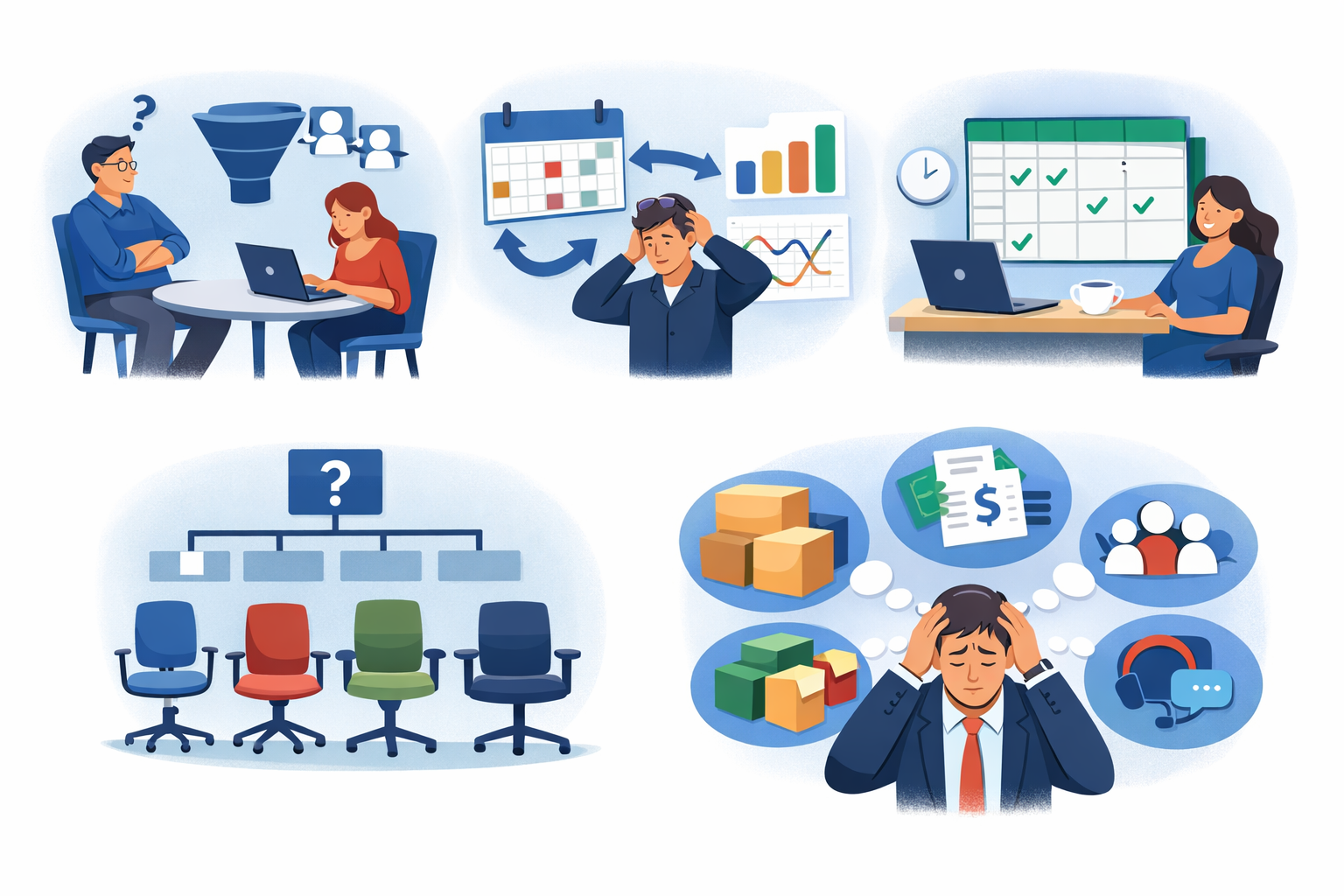
A founder may ask for lead tracking, but the team also needs quote follow-ups, reminder alerts, custom lead stages, role-wise visibility, and duplicate checks. That gap is where the budget expands, especially when the business starts needing Custom Software Development to match its actual workflow instead of relying on generic tools.
The most common cost drivers I've seen:
- Unclear sales pipeline stages
- Multiple admin and manager roles
- Custom reporting dashboards
- WhatsApp or email automation
- Excel data import and cleanup
- Mobile-first expectations
- Late changes in lead status logic
- Mixing sales CRM with support workflows
"Excel But Smarter" Is More Complex Than It Sounds
A lot of local businesses describe the requirement as "Excel but smarter." That usually means filters, exports, formulas, and reporting logic that take more effort than the lead form itself.
The issue is rarely development complexity alone. It's usually workflow uncertainty, unclear usability expectations, and missing product structure, which is why usability planning often plays a bigger role in CRM cost than most small teams expect.
Where Most Small Businesses And Developers Get This Wrong
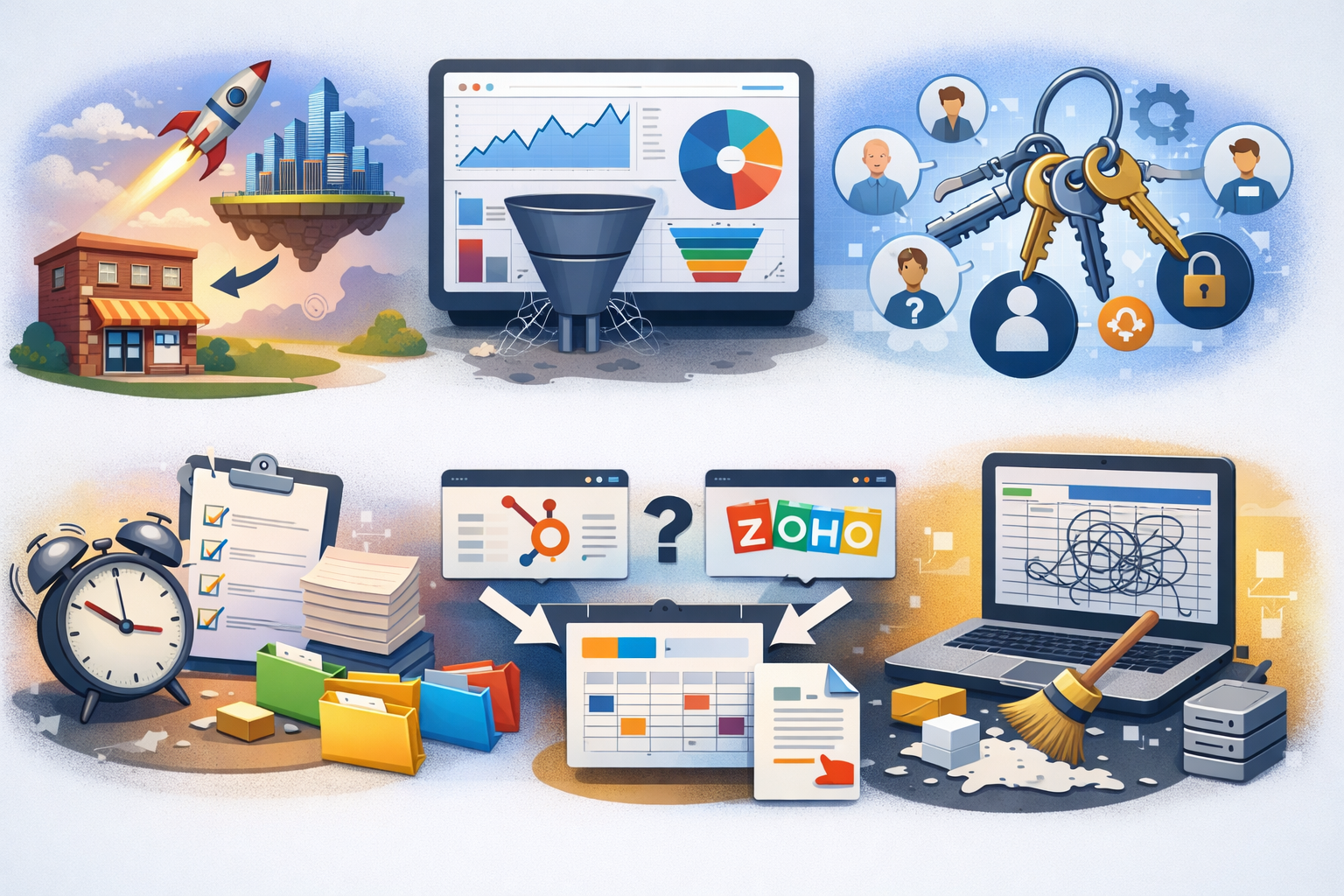
The biggest mistake is trying to build the future version of the business, not the current workflow. I've seen teams start by collecting feature lists from sales, support, finance, and operations. What should be a lead CRM turns into mini ERP planning, and the scope starts looking more like a larger product build than a simple CRM for daily follow-up use.
This usually leads to:
- Analytics dashboards before lead flow is stable
- Role permissions before user responsibilities are clear
- Automatic reminders before manual follow-up habits exist
- Service ticket modules inside sales CRM
- Copying features from HubSpot or Zoho CRM without actual need
Over-Investing In Dashboards Early
One mistake I repeatedly see in Ahmedabad SME projects is over-investing in dashboards early. Teams spend more money on charts, monthly graphs, and conversion reports than on making the actual follow-up flow easy to use.
Hidden Data Migration Cost
Another issue is data migration. Founders assume importing years of Excel files is quick, but duplicate cleanup, phone formatting, missing fields, and inconsistent sales stages can take significant project time. To avoid launch issues later, this kind of cleanup usually also needs proper validation before the CRM goes live.
This hidden cleanup work often increases the cost more than the CRM screens.
Read More → Custom CRM Software Developers In Ahmedabad
Practical Ways To Reduce CRM Development Cost
The best way to control budget is to reduce decision ambiguity before development starts. Here's what has worked consistently in real projects:
Start With Lead Capture + Follow-Up Only
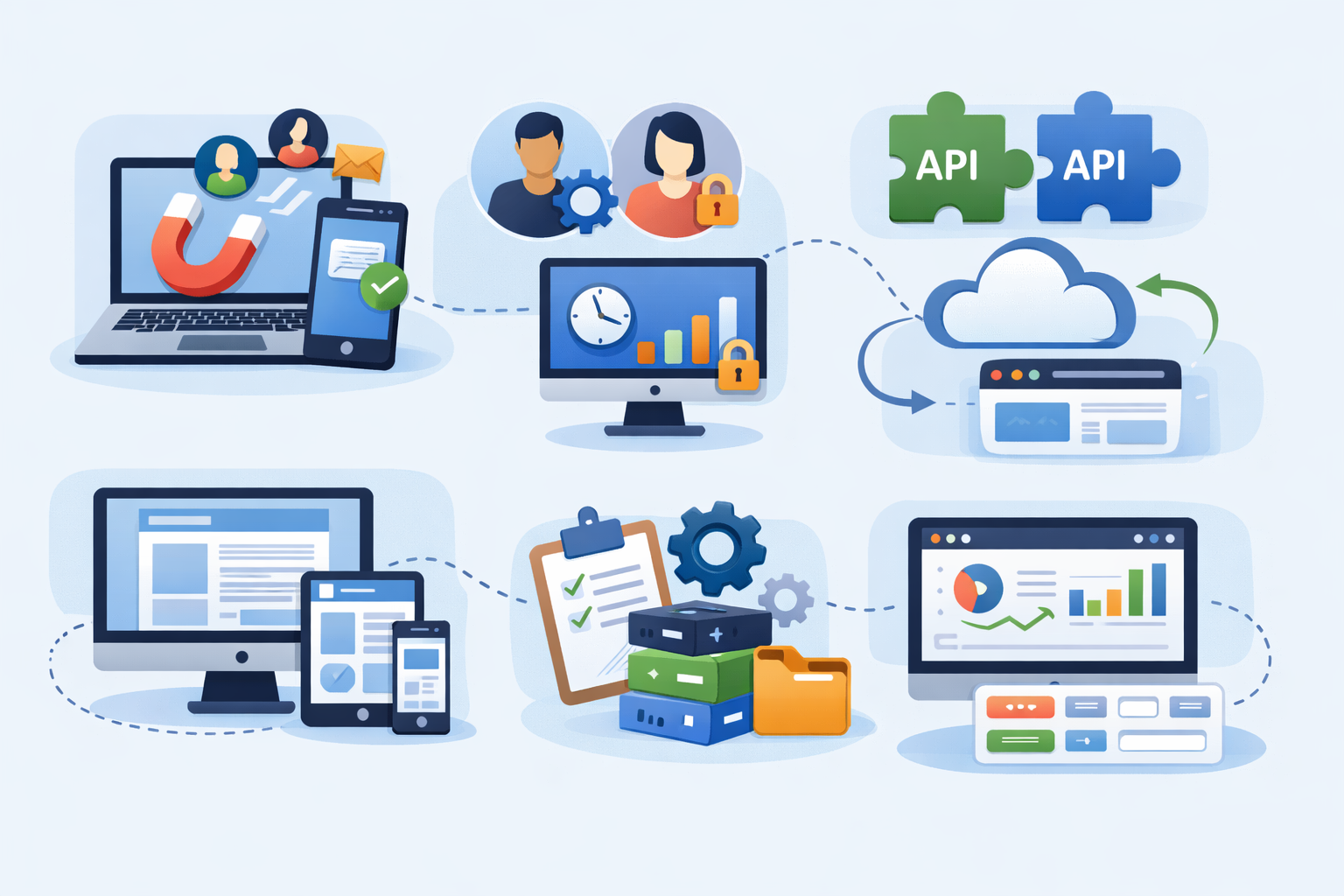
The first version of a CRM should solve the daily sales bottleneck, not every future workflow. Start with lead entry, status updates, next follow-up date, and notes — because this is where most small teams lose opportunities. In real projects, keeping V1 focused on follow-up discipline reduces both development cost and team confusion, and this approach works especially well when the first release is treated as a lean product instead of an oversized platform. Once the team consistently uses this flow, adding reports or automation becomes much safer.
Keep Only 2–3 User Roles In V1
Too many roles early in the project create unnecessary permission logic, testing overhead, and UI/UX Design complexity. For most small businesses, admin, manager, and sales executive roles are enough to validate the workflow. I've seen teams spend weeks rebuilding access rules before even confirming how leads should move. A smaller role structure keeps the CRM faster to build and easier for the team to adopt.
Delay Custom Reports
Custom dashboards often look important in meetings, but they rarely help in the first few weeks of CRM usage. Until the team creates consistent data, reports usually reflect incomplete habits rather than real business insights. Exporting basic tables or using simple filters is enough in the beginning. Once usage patterns stabilize, you can build reports that actually answer useful sales questions.
Use Existing APIs
For features like WhatsApp alerts, email notifications, SMS, or OTP, existing APIs save both time and maintenance effort. Building these systems from scratch increases cost and usually introduces avoidable bugs. In small business CRM projects, using proven APIs helps launch faster and keeps the focus on the actual lead workflow. It also makes future scaling easier because the communication layer is already standardized.
Go Web-First
A responsive web CRM is usually the fastest and most budget-friendly way to launch for small sales teams. Most users only need quick access to lead updates, follow-up reminders, and status changes — which a web app handles well.
For many local businesses, working with a CRM software development company in Ahmedabad also helps keep the first version practical, because the focus stays on validating the actual sales workflow before spending extra budget on unnecessary complexity.
Starting with mobile apps too early often doubles design, testing, and deployment effort. Web-first helps validate the workflow before spending extra budget on platform-specific apps.
Reuse Admin Templates And Open-Source Modules
Not every CRM screen needs to be designed from scratch, especially common modules like login, user management, filters, and tables. Reusing proven admin templates and open-source components cuts development time significantly and reduces UI bugs. I've used this approach in multiple SME projects where speed mattered more than custom design polish. The saved budget can then be used for workflow-specific features that actually impact sales operations.
The trade-offs are practical.
Pros: lower starting budget, faster launch, easier staff onboarding, less rework, and better workflow validation.
Cons: limited automation initially, fewer analytics options, mobile convenience may come later, and advanced workflows need phase 2.
But for most small businesses, this V1 approach solves 80% of daily lead chaos.
When Building A Simple CRM Is NOT Worth It
Sometimes custom CRM is the wrong investment. I usually advise against building one when:
The Business Process Is Still Unstable
A CRM only works when the team already follows a repeatable lead movement system. If the process itself keeps changing, software only locks confusion into code. This is where many small businesses overspend.
- Fewer than 2 people actively manage leads
- The sales process changes every month
- Spreadsheets still work without daily pain
- No one internally owns the workflow
- The founder wants inventory, invoicing, HR, and support in the same first version

Best Practices For Keeping CRM Cost Under Control
The most cost-efficient projects are the ones with tight workflow decisions before UI design starts.
Pre-Development Decisions That Save Budget
Best practices I recommend:
- Freeze lead stages before wireframes
- Keep integrations phase-based
- Review feature ROI weekly
- Track rework hours as a warning signal
- Assign one final business decision-maker
- Avoid department-wise feature additions
- Optimize for speed of follow-up, not dashboards
One Decision-Maker Keeps The CRM Simple
One practical lesson from small Ahmedabad teams: when more than one stakeholder changes workflow rules, cost rises fast. A sales founder wants one thing, the operations lead asks for another, and developers keep rebuilding forms and permissions. One decision-maker keeps the CRM simple.
Don't Automate What Isn't Stable Manually
Another useful rule: do not automate what the team has not manually repeated for at least 2–3 weeks. If reminders or stage movement are still inconsistent manually, automation only adds bugs and rework.
Conclusion
The cost to build a simple CRM software in Ahmedabad for a small business is rarely about developer rates alone.
In real projects, the biggest cost increases come from unclear workflows, too many user roles, unnecessary reports, and early automation decisions.
A focused CRM with lead capture, follow-ups, and basic role access usually solves the majority of business pain without stretching the budget.
The smartest way to reduce CRM cost is simple: build only the workflow your team already uses every day.
Cost To Build A Simple CRM Software In Ahmedabad For Small Business: FAQ
For most small teams, the cost depends on user roles, integrations, and reporting needs. A lead-focused V1 is far more affordable than a multi-department CRM.
The budget usually rises when reporting, permissions, and automation are added before the sales process is finalized.
Only when your follow-up process, lead routing, or reporting needs create daily manual work in off-the-shelf tools.
Yes. For most Ahmedabad small businesses, a responsive web CRM is enough for the initial phase and keeps costs lower.
Trying to include every future workflow in V1 instead of solving the current sales process first.
References
Written by

Paras Dabhi
VerifiedFull-Stack Developer (Python/Django, React, Node.js)
I build scalable web apps and SaaS products with Django REST, React/Next.js, and Node.js — clean architecture, performance, and production-ready delivery.
LinkedIn