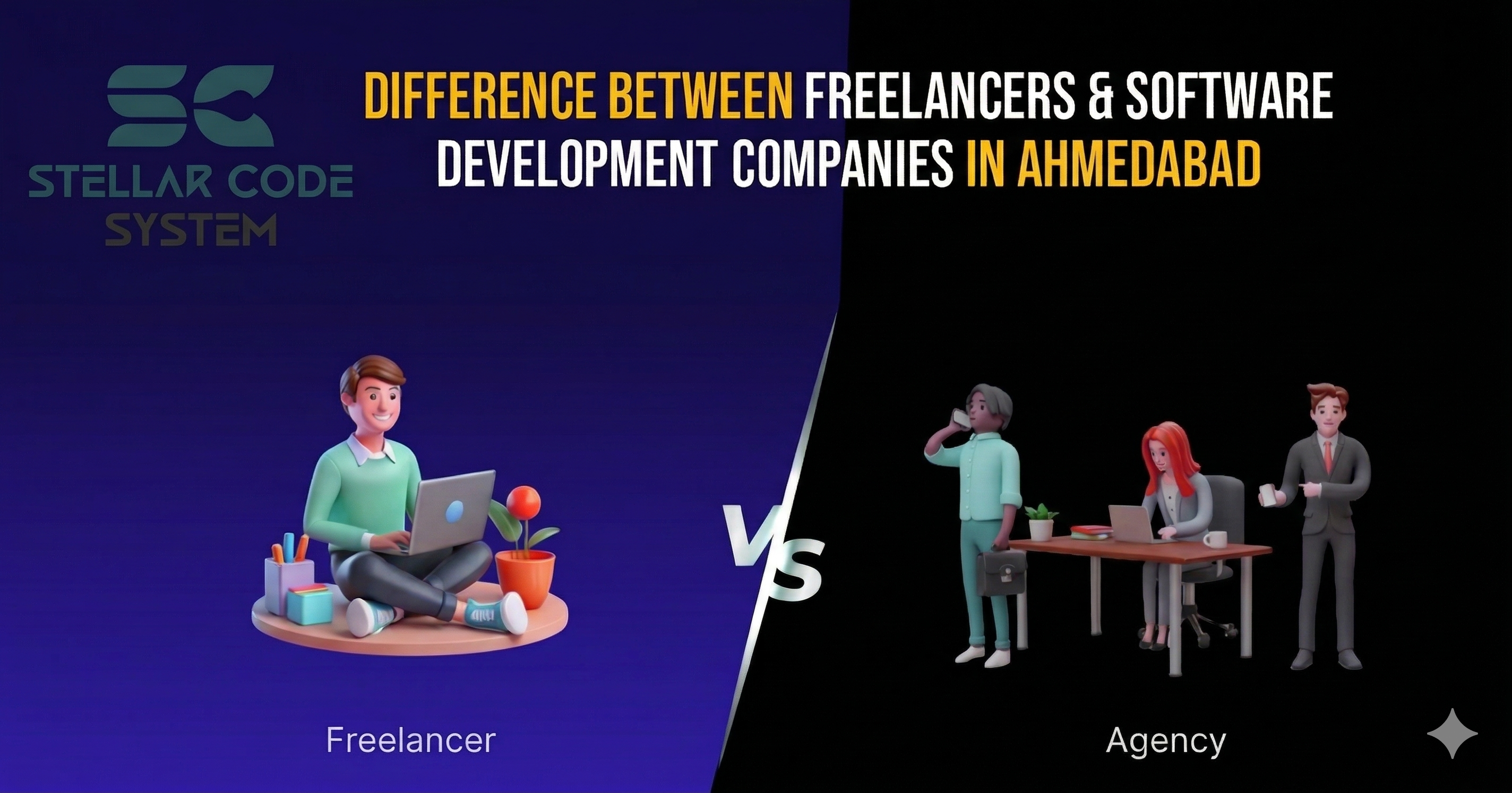
Difference Between Freelancers And Software Development Companies In Ahmedabad
I've worked with freelancers, been part of small teams, and spent years inside software agencies in Ahmedabad.
And I can tell you this clearly — most project failures don't happen because of bad developers.
They happen because the hiring decision didn't match the project.
Why This Confusion Actually Happens
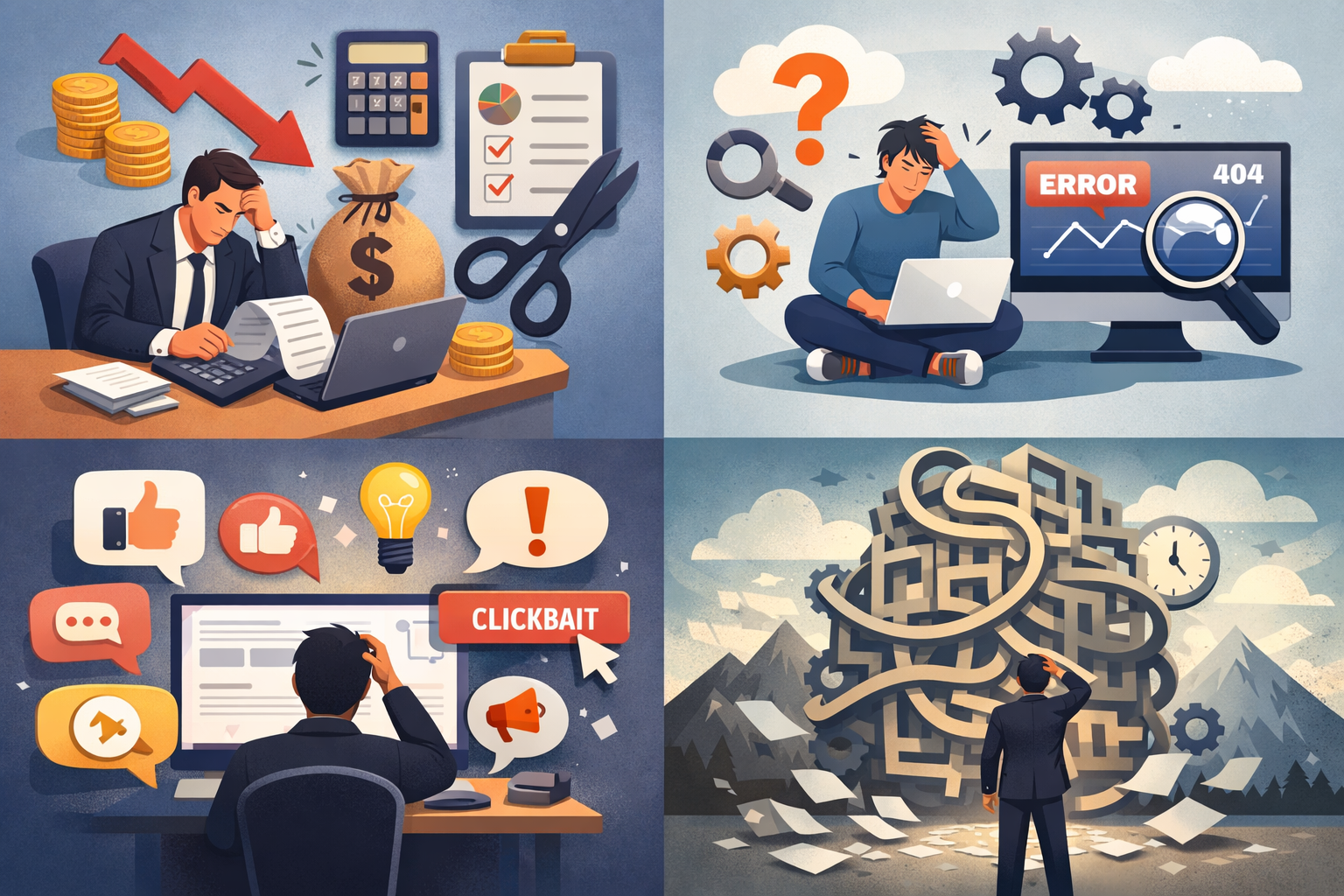
1. Budget Pressure
Most founders start with a fixed budget and try to optimize for cost first. Freelancers often seem like the obvious choice because they quote lower initially. But this decision is made without considering long-term costs like rework, delays, or scaling issues, which is why even seemingly simple projects sometimes need more structured SaaS Development thinking than founders expect. What looks affordable upfront can become expensive later.
2. No Technical Evaluation Ability
Non-technical founders usually can't judge code quality, architecture, or long-term feasibility. So they rely on surface signals like confidence, pricing, or past portfolio. This leads to hiring decisions based on perception rather than actual capability, especially in projects with technical layers they are not prepared to evaluate properly. The risk is only discovered once development starts.
Most founders can't properly assess:
- Code quality
- Architecture decisions
- Scalability risks
So decisions are based on price + confidence, not actual capability.
3. Internet Advice Is Misleading
Online advice often oversimplifies things — "freelancers are cheap" or "agencies are reliable." In reality, both can succeed or fail depending on the situation. Founders follow generic advice without understanding their own project needs. This creates mismatched expectations from day one.
You'll hear things like:
- "Freelancers are flexible"
- "Agencies are expensive but reliable"
Reality is more nuanced than that.
4. Underestimating Complexity
Many projects seem simple at the idea stage but grow in complexity during execution. Features like authentication, integrations, and scaling are often ignored early. This leads to choosing the wrong type of developer or team. The gap becomes visible only when things start breaking.
A project that sounds simple often isn't:
- "Just a dashboard"
- "Just an app like X"
Once backend logic, integrations, and edge cases kick in — things get messy.

Where Most Founders And Teams Get This Wrong
This is where projects usually start going off track.
Choosing Based Only On Price
Price becomes the main decision factor, especially in early-stage startups. But lower cost often means compromises in planning, testing, or structure. This results in poor quality or incomplete work. Eventually, fixing these issues costs more than doing it right the first time.
I've seen founders pick a freelancer who quoted 40% less — and then spend 2x fixing issues later.
Cheap execution often means:
- No planning
- No structure
- No long-term thinking
Assuming Freelancers Are Always Faster
Freelancers can move fast when the task is small and clearly defined. But speed drops when the project involves multiple systems or unclear requirements. Since everything depends on one person, bottlenecks appear quickly, which becomes even more obvious in projects where payments, catalogs, user flows, and integrations all need coordinated execution. Fast starts don't always mean fast completion.
Freelancers can be fast — but only when scope is fixed and dependencies are minimal.
The moment requirements change, bugs pile up, or multiple systems are involved — speed drops significantly.
Assuming Agencies Guarantee Quality
Many founders believe agencies have better systems and therefore better output. But not all agencies maintain strong internal processes or senior involvement. Sometimes junior developers handle critical work without proper oversight. So quality depends on the actual team, not the company label.
Just because it's a company doesn't mean senior developers are working on your project, communication is smooth, or deadlines are realistic.
I've worked in agencies where sales overpromised timelines, junior devs handled critical features, and clients were kept in the dark.
Ignoring Communication Structure
Most hiring decisions focus on skills, not communication flow. But unclear communication leads to delays, misunderstandings, and rework. Freelancers may lack consistency, while agencies may have too many layers. Without a clear communication process, even good developers struggle to deliver efficiently.
With freelancers, communication depends on one person — if they disappear, progress stops. With companies, too many layers can slow decisions, which is why understanding the software company vs freelancer in Ahmedabad becomes important before hiring, especially when your project depends on fast feedback, clear ownership, and consistent delivery.

Practical Way To Decide (Based On Real Projects)
Forget theory. This is how I approach it in real scenarios.
Choose A Freelancer If:
The task is small and well-defined. You already know exactly what needs to be built. There are no complex integrations. You need quick iterations with direct communication. This works especially well for focused delivery tasks where scope is clearer and execution can stay lightweight.
Examples:
- Landing page development
- Minor feature additions
- Bug fixing
- Simple MVP with limited scope
Freelancers work best when execution is clear and limited.
Choose A Software Development Company If:
You're building a multi-feature product. Backend architecture matters. You expect scaling in future. There are multiple moving parts (API, frontend, database, integrations). You need structured workflow and accountability.
Examples:
- SaaS platforms
- Marketplace apps
- Products with user roles, payments, dashboards
- Long-term product development
Companies work better when coordination and structure are required.
Real Trade-Offs You Should Accept
There's no perfect option. Only trade-offs.
Freelancers offer lower initial cost and high flexibility, but reliability depends on the individual and scalability is limited. Software companies cost more upfront and have moderate flexibility, but offer more stable delivery and better scalability.
The mistake is trying to get low cost + high reliability + fast delivery all at once. That combination doesn't exist.
When Both Options Fail (And No One Talks About This)
This is the part most blogs ignore.
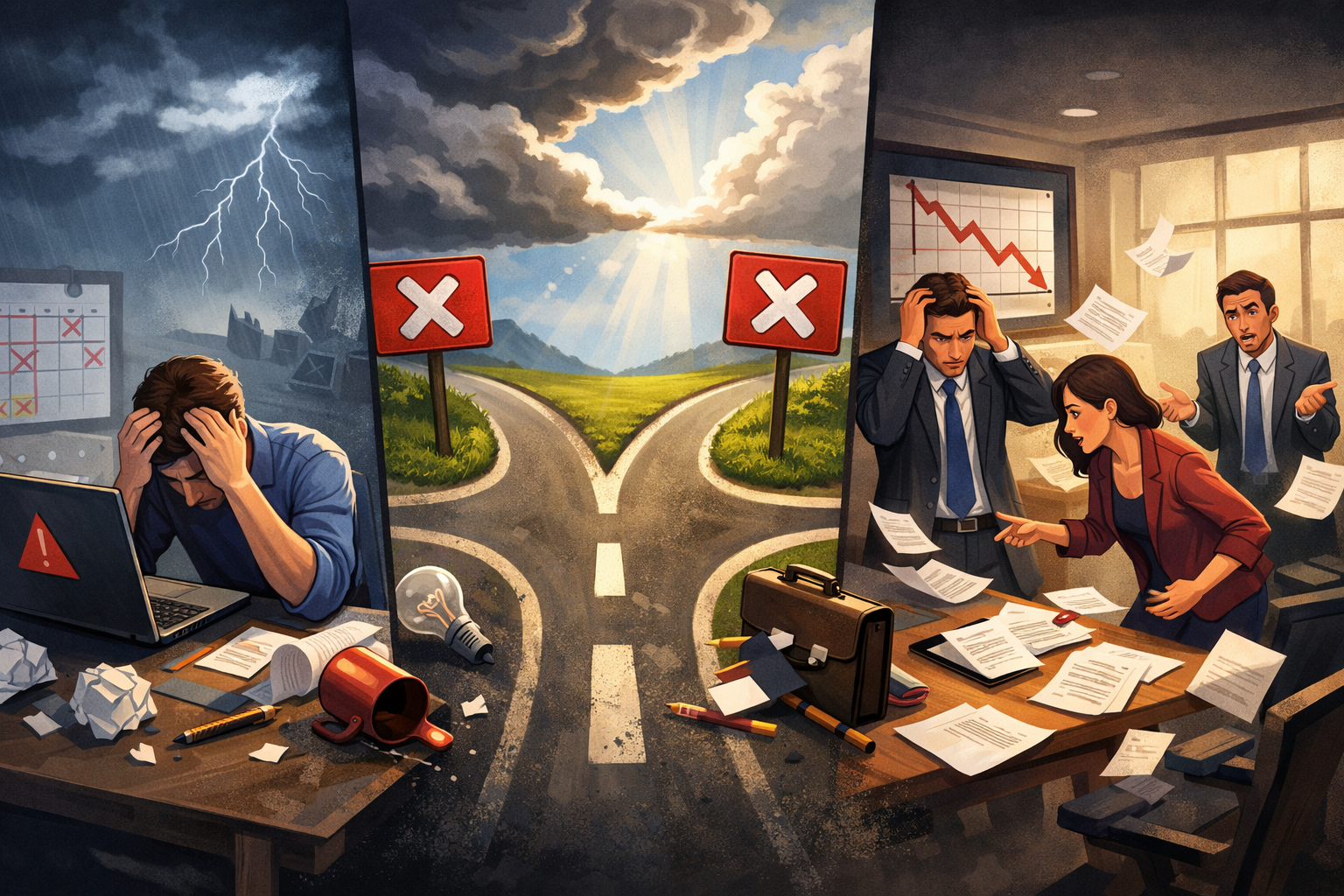
When Freelancers Fail
Freelancers usually fail when the project scope is unclear or keeps changing frequently. Since one person is handling everything, managing shifting requirements becomes difficult. They're also expected to handle architecture, development, and planning alone, which isn't always realistic. Over time, this leads to delays, inconsistent quality, and burnout.
Not because they're bad — but because the setup is wrong:
- Scope keeps changing
- No clear ownership
- Founder expects full product thinking from a single dev
- No documentation or planning
I've seen freelancers struggle when they're forced to act as developer + architect + product manager. That's not realistic.
When Agencies Fail
Agencies fail when there's a gap between what is promised and what is actually delivered. Sales teams often commit to aggressive timelines without consulting developers. Internally, poor communication between team members causes delays and confusion. As a result, clients experience slow progress, lack of transparency, and misaligned expectations.
Again, not always their fault:
- Overpromised timelines during sales
- Poor internal communication between teams
- Too many people involved, no single ownership
- Clients not given direct access to developers
Both models fail when expectations don't match reality.

Best Practices Before Hiring Any Developer In Ahmedabad
No matter what you choose — this matters more than the choice itself.
1. Start With A Small Paid Task
Instead of committing to a full project, begin with a small but real task. This helps you evaluate how the developer actually works under real conditions. You get visibility into their coding quality, problem-solving approach, and reliability. It's a low-risk way to test before making a bigger decision.
Give a real feature or small module, then watch for:
- Code quality
- Communication
- Problem-solving approach
2. Evaluate Communication, Not Just Skills
Technical skills matter, but communication is what keeps the project moving. A developer who can't clearly explain progress or issues will create confusion later. Look for clarity, responsiveness, and honesty in updates. Good communication often matters more than perfect code.
A technically strong developer who communicates poorly will slow everything down. Look for:
- Clarity in responses
- Ability to explain decisions
- Consistency in updates
3. Define Ownership Clearly
Before starting, be clear about who is responsible for what. This includes development, testing, deployment, and post-launch support. Without defined ownership, tasks fall through the cracks and delays happen. Clear roles ensure accountability and smoother execution, especially when product and design decisions might otherwise get ignored during delivery.
Ask: Who is responsible for the backend? Who handles deployment? Who fixes production issues? Ambiguity here creates delays later.
4. Avoid Full Upfront Payments
Paying everything upfront removes leverage if things go wrong. Instead, break payments into milestones tied to actual deliverables. This keeps both sides aligned and accountable throughout the project. It also reduces risk in case timelines slip or quality drops.
This applies to both freelancers and companies. Structure payments based on milestones and deliverables — this keeps accountability intact.
5. Ask Who Will Actually Work On Your Project
This is especially important when hiring a company. The person you talk to initially may not be the one doing the work. Always ask about the actual developer or team assigned to your project. Knowing this helps you set expectations around quality, experience, and communication.
Sometimes you talk to a senior person but the work is done by someone else. Always get clarity on who is writing your code.
Conclusion
The real difference between freelancers and software development companies in Ahmedabad isn't about which is better.
It's about which fits your project complexity.
Small, clear tasks → freelancer works well. Complex, evolving products → company makes more sense.
Most failures happen because the choice doesn't match the project. And when that happens — timelines stretch, costs increase, and frustration builds.
Make the decision based on reality — not assumptions.
Difference Between Freelancers And Software Development Companies In Ahmedabad: FAQs
Yes, initially. But for complex projects, costs often increase due to rework, delays, or lack of structure.
No. Reliability depends on communication, process, and team quality — not just company size.
When the project involves multiple systems, long-term scaling, or unclear requirements.
Possible for simple apps. But for complex products requiring backend, frontend, DevOps, and scaling — it becomes risky.
Start small, test real work, and evaluate communication before committing long-term.
References
Written by

Paras Dabhi
VerifiedFull-Stack Developer (Python/Django, React, Node.js)
I build scalable web apps and SaaS products with Django REST, React/Next.js, and Node.js — clean architecture, performance, and production-ready delivery.
LinkedIn