
Essential Application Security Checklist For Startups
I’ve been in small teams where we shipped code fast because investors wanted progress and the “minimum viable product” was king.
Security was always the last thing we thought about—until it broke, and fixing it cost far more than we expected.
If you’re a founder or part of a small development team, you’ve probably asked yourself: “How do we keep our app secure without doubling the team or slowing down every release?”
This checklist is based on real experience, not theory, and it’s meant for teams exactly like yours.

Why this problem actually happens
In early-stage startups and small dev teams, security often fails for reasons that aren’t obvious:
Pressure to ship:
Startups often prioritize speed over safety, pushing features live quickly. This leaves little room for thorough security checks, making vulnerabilities more likely.
Limited expertise:
Small teams rarely have dedicated security specialists, which is why Software Testing and regular review processes become important for catching risks before they quietly reach production.
Developers juggle multiple roles and may overlook subtle risks they aren’t trained to spot.
Fragmented ownership:
When multiple people touch the same code, API, or database, no one takes full responsibility for security. Gaps appear simply because accountability is unclear.
Misunderstood trade-offs:
Teams assume simple measures—like framework defaults or basic hashing—are enough. In reality, security requires consistent practices and awareness of the limitations of each approach.
I’ve seen startups push a product live with obvious vulnerabilities simply because “it works for now,” and six months later, they’re scrambling to patch holes that could have been prevented.
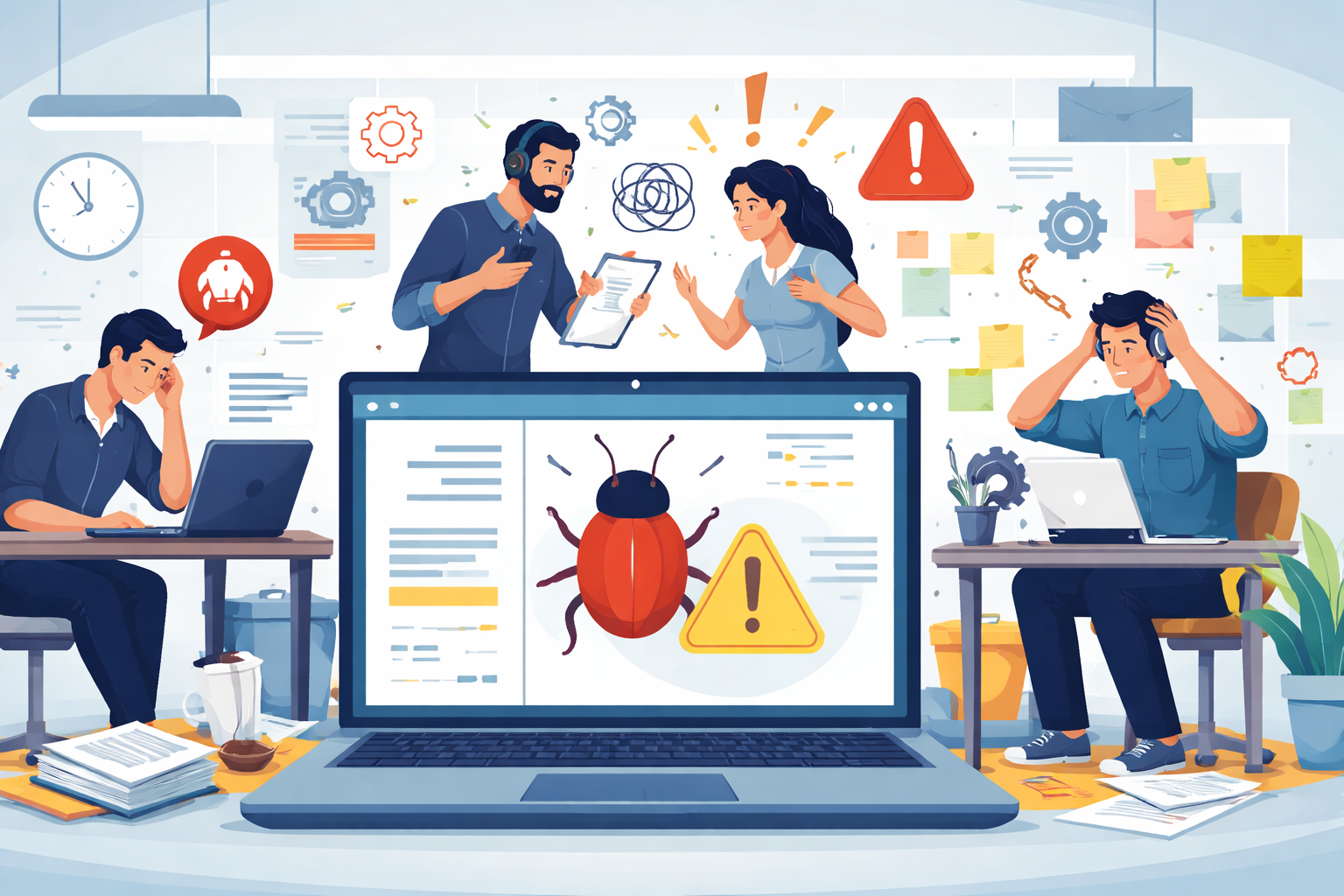
Where most developers or teams get this wrong
Common mistakes I’ve seen over and over:
Relying solely on frameworks or defaults
“We’re using Rails, so SQL injection is handled, right?” Not always. Defaults help, but they don’t cover every edge case.
Skipping threat modeling
Most teams skip this step because it feels theoretical. I’ve watched teams deploy features without asking, “Who can exploit this, and how?”
Treating security as a one-time checkbox
Teams often do a security audit once before launch and call it done, even though secure software always needs ongoing review because every new feature can change the attack surface.
In practice, every new feature changes the attack surface.
Blindly copying advice online
Tutorials often suggest a “simple fix” like storing secrets in environment variables or using JWTs without rotation. They work in tutorials but break under real-world load, multi-team access, or cloud infrastructure complexity.

Practical solutions that work in real projects
Here’s what I’ve learned actually works in small teams:
Define clear ownership
Assign one person, even if part-time, to own security decisions, because delivery becomes much safer when responsibility for standards and review is clearly defined instead of being shared vaguely across the team.
They’re not reviewing every line of code but ensuring standards are applied consistently.
Establish a baseline checklist
Keep it simple and actionable:
- HTTPS enforced for all endpoints
- Passwords hashed with a modern algorithm (bcrypt, Argon2)
- Rate limiting on login and sensitive APIs
- Secrets stored securely (vault or environment variables, not in repo)
- Input validation on all user-facing inputs
Automate what you can
Use automated scanners for vulnerabilities, static code analysis, and dependency checks. This is one of the habits that separates a security-first software team in India from teams that treat security as an afterthought, because the goal is to catch obvious issues before they hit production.
Small, incremental audits
Don’t wait for a full audit. Review 2–3 critical flows each sprint. Over time, the codebase becomes much safer without halting development.
Incident rehearsal
Test what happens if a key secret leaks or a database connection is compromised, because infrastructure planning is closely tied to how quickly a small team can detect, contain, and recover from security problems.
Small, low-stakes drills uncover gaps before they become disasters.
Document trade-offs
Sometimes you skip a feature security step for speed. Document it clearly with rationale and revisit it later. This prevents accidental permanent compromises.

When this approach does NOT work
There are limits:
Highly regulated environments
Industries like healthcare, finance, and government require strict compliance, formal audits, and penetration testing. A simple checklist isn’t enough to meet legal and security obligations.
High-value target apps
Applications handling sensitive personal or financial data are prime targets for attackers. Small teams need dedicated security expertise from the start to prevent serious breaches.
Rapidly scaling teams
When your team grows beyond 10 developers, informal security habits break down. Ownership, documentation, and review processes must scale to maintain consistent protection.
Understanding these boundaries prevents false confidence. A checklist keeps small teams safe for typical use, but it’s not a replacement for professional security guidance when stakes are higher.

Best practices for small development teams
To keep security sustainable without slowing down the team:
Keep decisions explicit
Clearly assign security responsibility for every feature. Knowing who owns it prevents gaps and ensures consistent attention to potential risks.
Reduce moving parts
Simplify architecture and minimize dependencies. A smaller, cleaner codebase reduces the number of places vulnerabilities can hide.
Regularly rotate secrets and keys
Change API keys, tokens, and passwords on a schedule. Even if nothing seems compromised, rotation limits the impact if a secret leaks.
Use threat modeling as a lightweight habit
Spend 10 minutes per feature discussing potential attack vectors. This quick habit uncovers most risks before they reach production.
Keep audits incremental
Review critical flows regularly instead of waiting for a full-scale audit. Continuous, small checks catch issues early without blocking development.
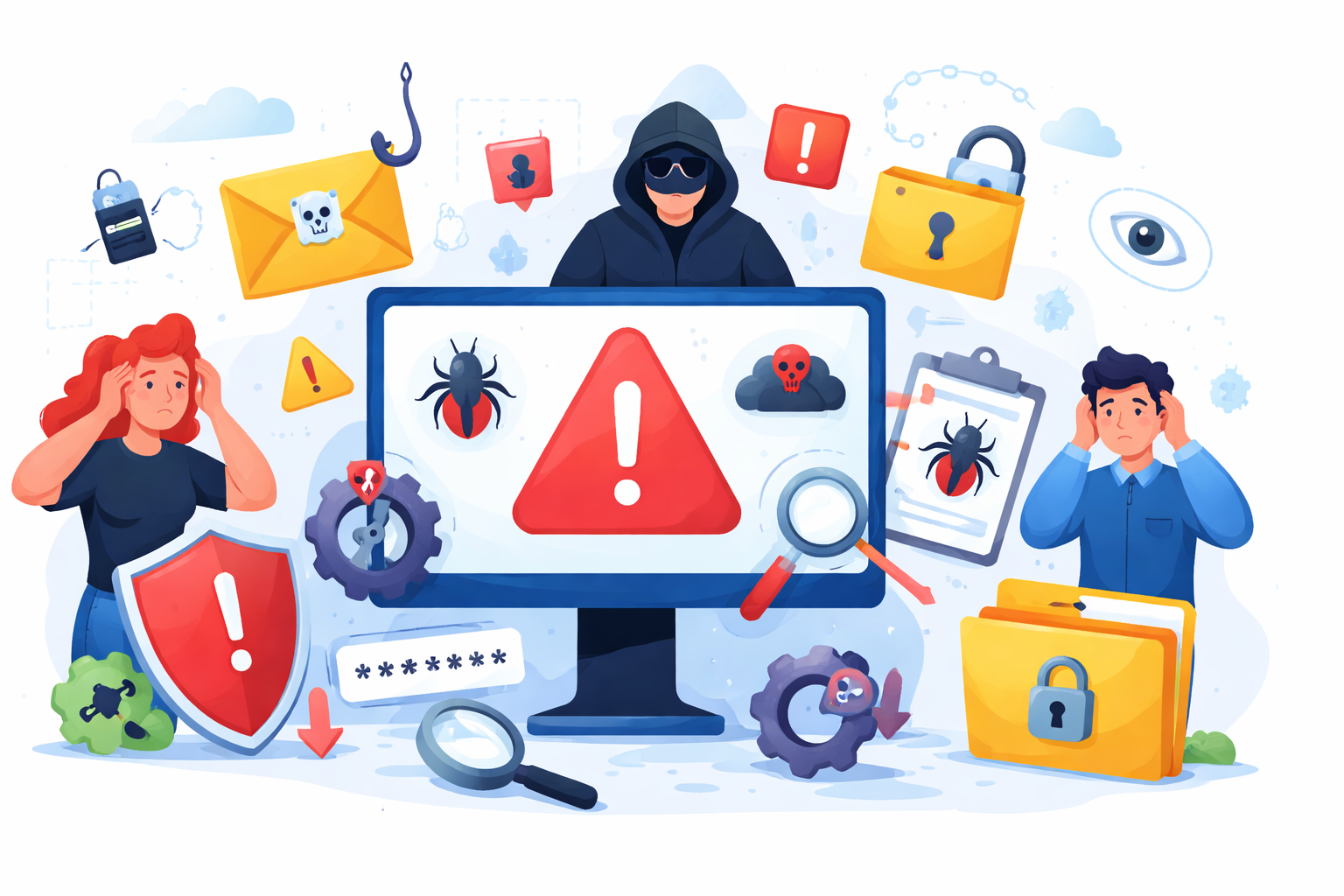
Common Security Pitfalls I’ve Seen in Small Teams
In my years working with startups and small dev teams, a few recurring mistakes keep showing up:
Hardcoding secrets in code
Developers stash API keys or passwords in the repo for convenience. It works in the short term, but a single commit to a public repo can leak everything.
Ignoring logging and monitoring
Teams assume “if it’s working, it’s safe.” Without logs or alerts, breaches go unnoticed until they’re catastrophic.
Over-reliance on client-side validation
Validating input only in the browser may prevent casual errors but does nothing against real attacks, which is why applications must always include strong server-side validation instead of relying on client behavior alone.
Server-side checks are non-negotiable.
Skipping dependency checks
Open-source libraries speed development, but outdated or vulnerable dependencies are an easy attack vector. Many teams only update when something breaks.
DIY security “shortcuts”
Trying to implement your own encryption or authentication rarely ends well. I’ve seen teams spend weeks on homegrown solutions only to find they’re insecure.
Conclusion
In small teams, security isn’t about buying fancy tools—it’s about clear ownership, consistent habits, and realistic trade-offs. A few simple, repeatable steps each sprint prevent the kind of mistakes that snowball into crises.
If you take one lesson away: make security visible, assign responsibility, and treat it as a living part of development—not a checkbox at the end.
FAQs
Usually not at first. One developer taking clear ownership and following a checklist is enough until your app handles sensitive data.
At least every sprint. Automated tools can catch most common issues quickly.
Partially. Defaults reduce risk but don’t cover custom code paths, integrations, or misconfigurations.
Combine automated scanners with short manual reviews for sensitive flows like authentication, payments, and data storage.
Only if your app handles highly sensitive information. Otherwise, incremental internal audits and checklist enforcement are more cost-effective.
References
Written by

Paras Dabhi
VerifiedFull-Stack Developer (Python/Django, React, Node.js)
I build scalable web apps and SaaS products with Django REST, React/Next.js, and Node.js — clean architecture, performance, and production-ready delivery.
LinkedIn