Real Estate Software Development In Ahmedabad
Most real estate projects don't fail in the beginning — they fail after things start "working."
The first version goes live, a few listings get added, and then suddenly everything slows down. Filters stop behaving properly, new features take longer than expected, and the team starts patching instead of building.
I've seen this pattern repeat in multiple projects around Ahmedabad. The issue isn't lack of effort — it's how the system is approached from day one.
Why this problem actually happens
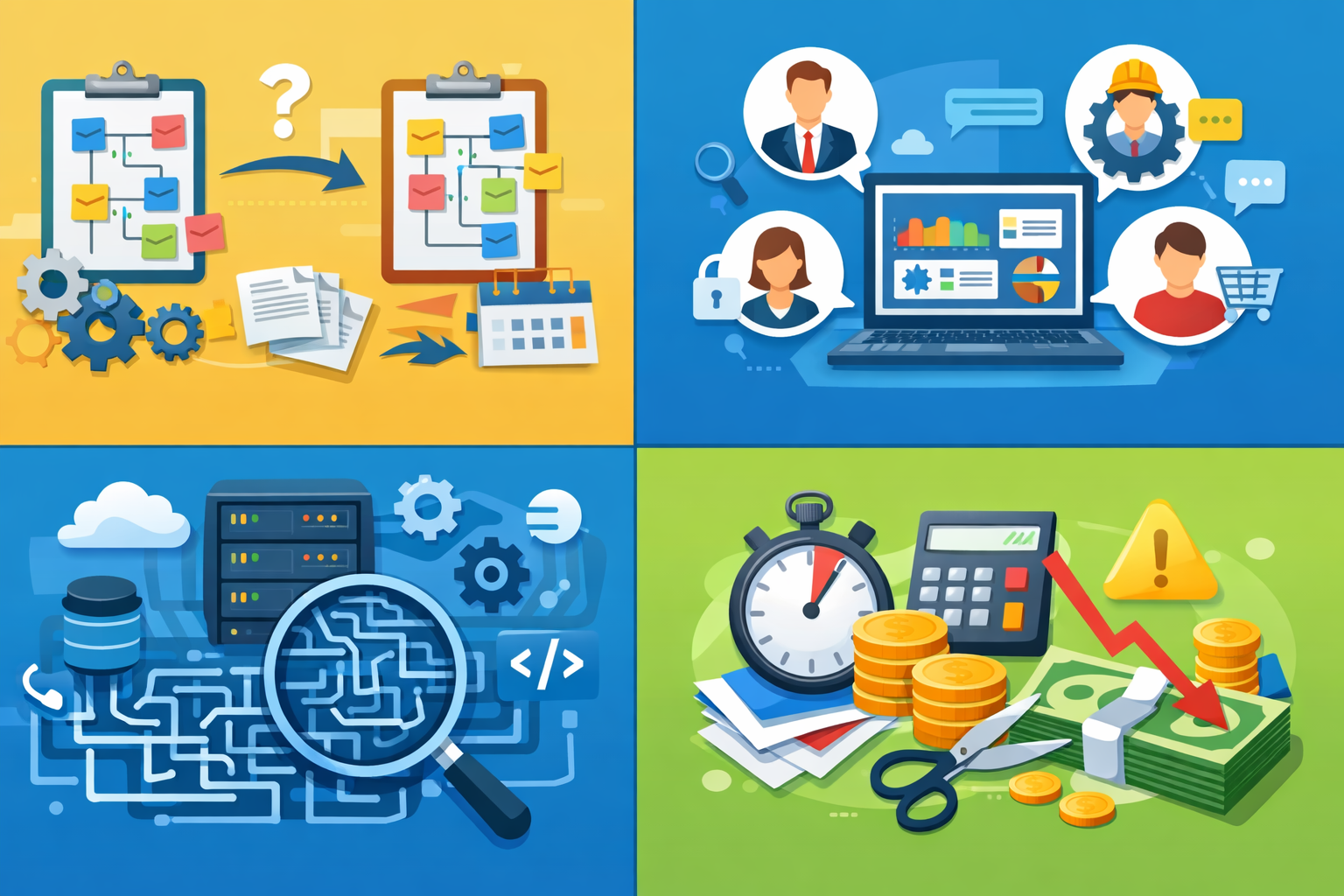
Requirements keep shifting after development starts
In most real estate projects, initial requirements are vague and evolve as the client sees progress. New ideas keep getting added mid-development, which affects timelines and stability. This constant change forces developers to rework existing logic. Over time, it slows down delivery and introduces bugs.
Most clients don't come with a clear structure. The project starts with a basic listing idea, then expands into:
- Agent panel
- Booking system
- CRM features
This continuous expansion creates instability.
Multiple user roles add hidden complexity
Real estate platforms involve multiple roles like buyers, sellers, agents, and admins. Each role has different permissions and workflows, which increases system complexity. Developers often underestimate how these roles interact with each other, which is exactly where stronger Full Stack Development thinking becomes important much earlier than most teams expect. This leads to messy logic and difficult-to-maintain code.
- Buyers
- Sellers
- Agents
- Admin
Each role introduces separate logic and workflows.
Backend complexity is underestimated
Search, filters, and property data seem simple at first but get complicated with scale. Handling large datasets and dynamic filtering requires proper backend planning. Many teams start with basic queries that don't scale. Later, they are forced to rewrite major parts of the system.
Where it gets difficult:
- Location-based filtering
- Multiple dynamic filters
- Large property datasets
Teams often realise this too late.
Budget pressure leads to shortcuts
Tight budgets often push teams to skip proper planning and testing. Developers take shortcuts to meet deadlines and cost expectations. While this works short term, it creates long-term technical issues. Eventually, the cost of fixing these problems becomes higher.
What gets skipped:
- Proper architecture planning
- Scalability considerations
- Testing before launch
These shortcuts cause issues later.

Where most developers or teams get this wrong
Trying to build everything in one phase
Teams often attempt to deliver a complete system in the first version. This includes listings, admin panels, and advanced features all together. It creates too many dependencies and slows down development. As a result, nothing gets properly finished on time.
- Listings
- Admin panel
- CRM
All built together → slows progress and increases bugs.
Treating it like a simple CRUD system
Many developers assume real estate platforms are just basic forms and database operations. In reality, these systems involve complex filtering and performance challenges. This wrong assumption leads to poor backend design decisions. Eventually, the system struggles under real usage.
- Heavy search operations
- Complex multi-filter logic
- Performance challenges at scale
Not defining data structure early
Without a clear data model, teams keep modifying schemas during development. This affects APIs, filters, and overall system consistency. Frequent changes create confusion and rework. A weak data foundation makes scaling very difficult.
- Frequent schema changes
- Broken filters after updates
- Rework in backend logic
Overcommitting timelines
To win projects, teams often promise unrealistic deadlines. This creates pressure during development and forces rushed implementations. Quality is compromised to meet timelines. In the end, both the product and team suffer.
- Rushed development
- Increased bugs
- Team burnout
Read More → Custom Software Development Pricing In Ahmedabad
Practical solutions that work in real projects
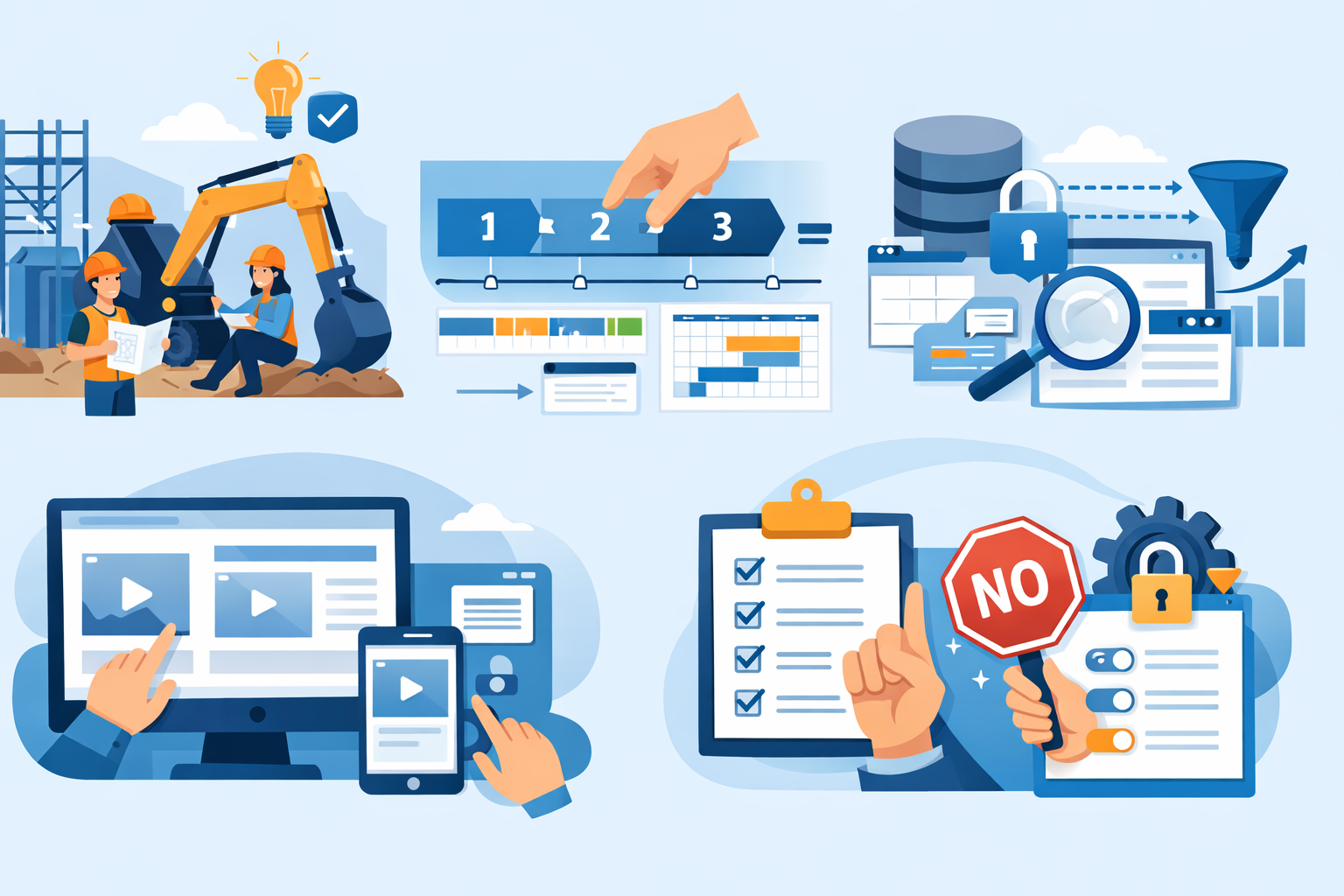
Break development into phases
Dividing the project into smaller phases makes it easier to manage. Each phase focuses on a specific set of features and goals. This approach reduces risk, keeps progress measurable, and creates a stronger foundation for software solutions for real estate businesses by allowing teams to stabilise core workflows before expanding into more advanced features.
Phase 1 – Core system
- Property listing
- Basic search
- Simple filters
Phase 2 – Role management
This phase focuses on implementing user roles like agents and admins. Access control and permissions are defined properly here.
- Agent system
- Admin panel
Phase 3 – Advanced features
Advanced features like CRM, analytics, and automation are added in this stage. By this time, the core system is already stable.
- CRM
- Analytics
- Automation
Lock the data model early
Defining the data structure early prevents frequent changes later. It helps in building stable APIs and consistent logic. A well-planned schema supports scalability. This step saves significant development time in the long run.
Focus areas:
- Property schema definition
- Required fields
- Filter structure
This reduces rework significantly.
Handle search properly from the start
Search is a core feature in real estate platforms and needs careful planning. Poor implementation leads to slow performance and bad user experience. Structuring queries and indexing correctly from the beginning helps avoid rework.
- Plan query structure upfront
- Optimise database indexing
- Avoid quick fixes that don't scale
Keep UI simple initially
Focusing too much on UI early can slow down development. Complex designs increase effort without improving core functionality. Simple interfaces help teams test and validate logic faster. UI improvements can always be done later.
- Avoid over-designed screens
- Skip unnecessary animations early on
- Focus on functional flows and clear navigation
Control feature changes strictly
Uncontrolled feature requests can derail the entire project. Teams need to freeze scope within each phase. New ideas should be scheduled for future iterations. This keeps development focused and manageable.
- Freeze scope per phase
- Move new ideas to next iteration
When this approach does NOT work
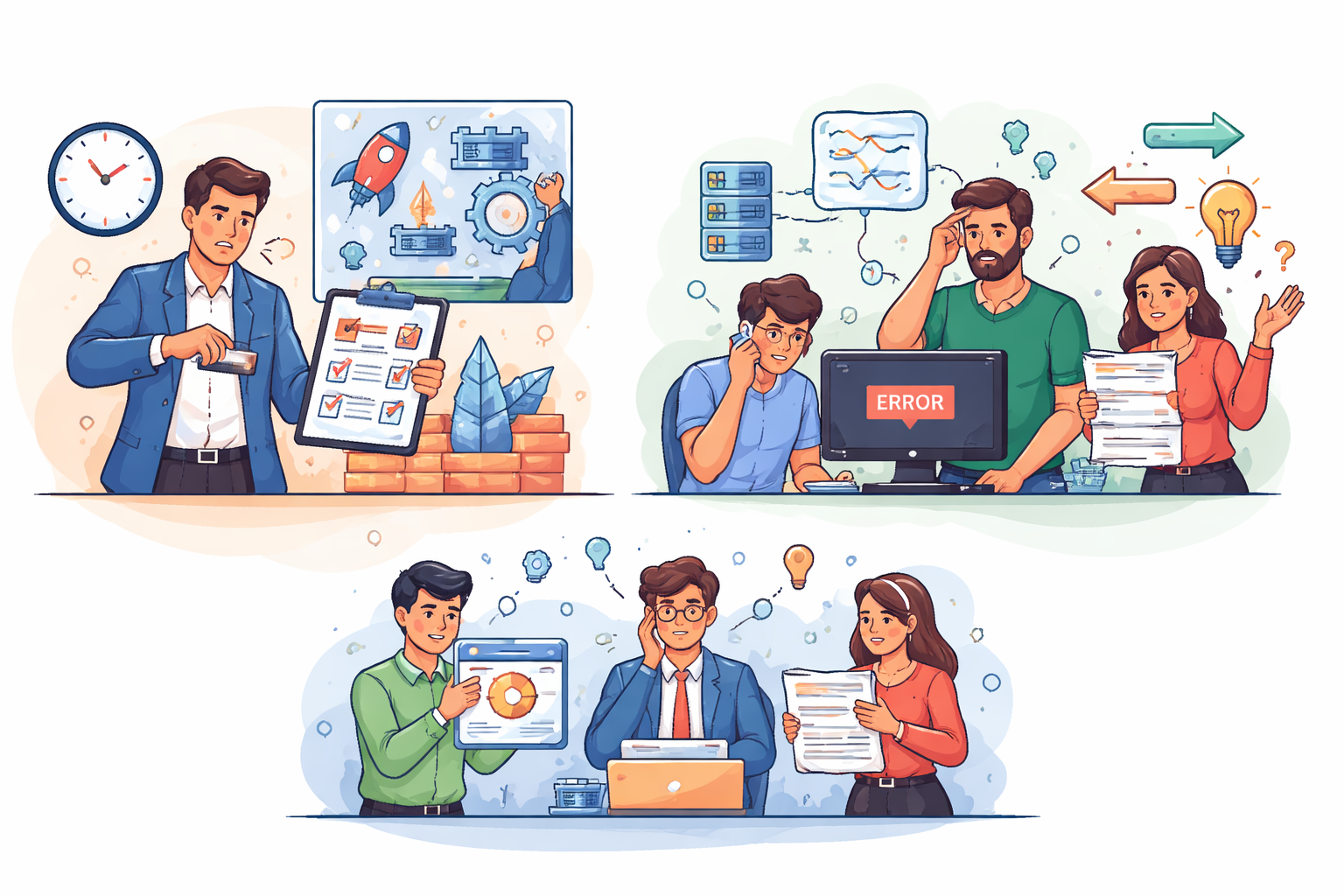
When client expects full product immediately
Some clients want a complete system from day one. This makes phased development difficult to implement. It increases pressure on the team and leads to rushed work. In such cases, maintaining quality becomes challenging.
When team lacks backend experience
Backend complexity requires solid technical understanding. If the team lacks experience, poor decisions affect performance and scalability. Even simple features can become problematic. This leads to frequent fixes and instability.
- Poor API design
- Inefficient queries
When stakeholders keep changing decisions
Frequent changes from stakeholders create confusion in priorities. Teams struggle to maintain direction and consistency. Development becomes reactive instead of planned. This results in delays and unfinished features.
- Scope instability
- Repeated rework
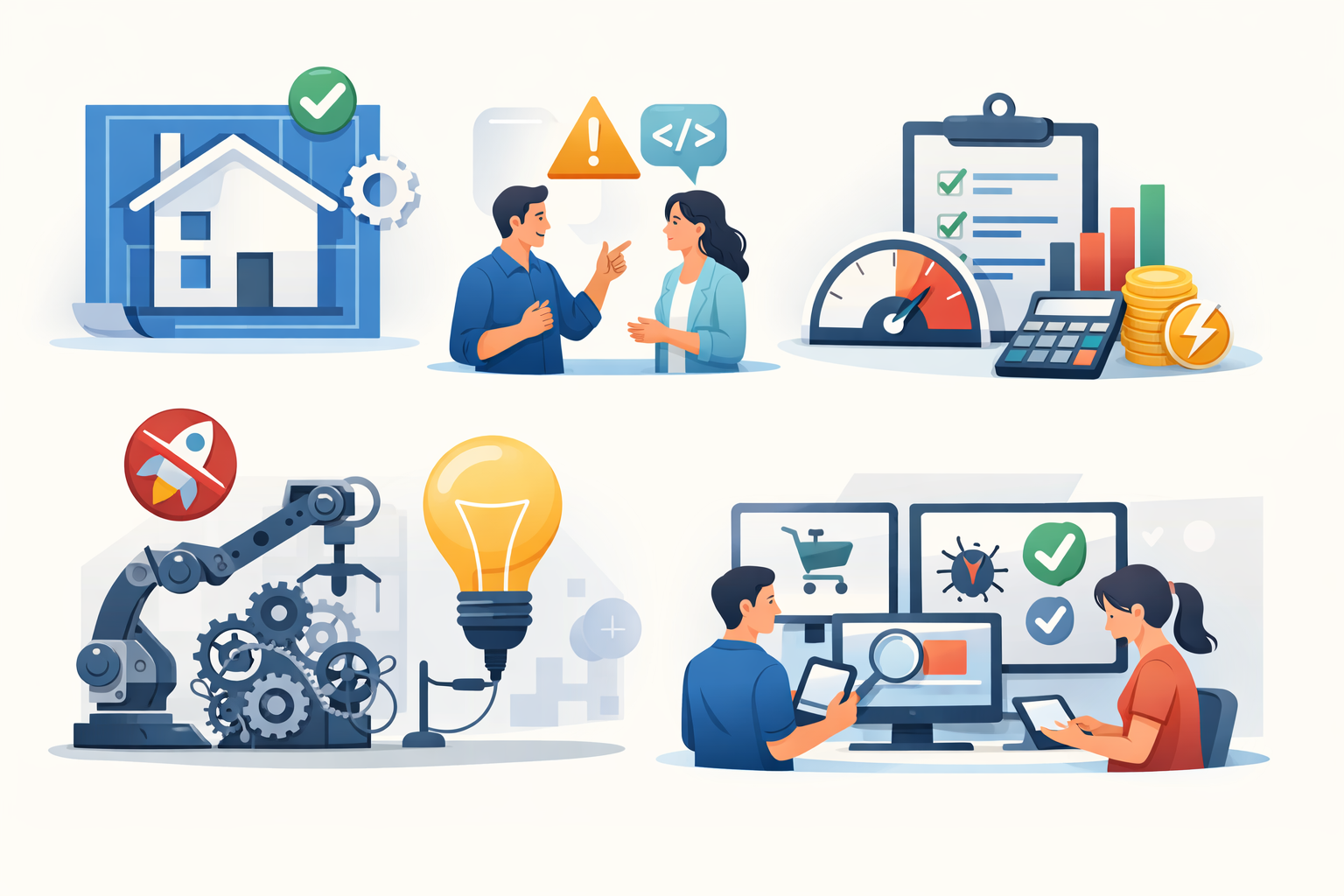
Best practices for small development teams
Keep architecture simple and stable
Overcomplicated architecture creates unnecessary problems for small teams. Simple and proven structures are easier to maintain. Stability matters more than innovation in early stages. This approach reduces risk and improves delivery speed.
- Avoid unnecessary complexity
- Avoid experimental setups
Communicate technical constraints early
Clear communication helps set realistic expectations. Clients should understand what is feasible within time and budget. This avoids misunderstandings later. It also builds trust between the team and stakeholders.
- Time requirements
- Cost impact of decisions
Track technical debt regularly
Small shortcuts accumulate over time and become technical debt. If ignored, they slow down future development. Regular reviews help identify and fix these issues early. This keeps the system maintainable.
- Temporary fixes
- Shortcuts taken under pressure
Avoid over-engineering
Using complex solutions for simple problems wastes time and effort. Early-stage projects don't need advanced architecture. Keeping things simple makes development faster and easier. Complexity should be added only when required.
- Microservices are not needed early
- Complex infrastructure at launch is overkill
Focus testing on critical flows
Not all parts of the system need equal testing effort. Core features like search and listings should be prioritised. These areas impact users the most. Regular testing ensures stability in key functionalities.
- Search
- Listings
- Role-based actions
Conclusion
Real estate projects don't break because they are too ambitious — they break because teams try to solve everything at once without a stable foundation.
If you control scope, plan data properly, and build in phases — you can handle these projects effectively, even with a small team.
What really makes the difference is not the tech stack or team size, but how decisions are made during the project. Small, consistent decisions — like locking requirements per phase, keeping the backend predictable, and avoiding unnecessary complexity — prevent most mid-project failures.
In my experience, teams that focus on stability first and features later almost always finish what they start. The ones that chase a "complete product" too early usually end up rebuilding large parts of it.
Keep the system simple, keep the scope realistic, and let the product evolve step by step. That's what actually works in real-world real estate projects.
Real Estate Software Development In Ahmedabad: FAQs
Because early architecture doesn't support growing data and feature complexity.
Yes, it keeps the system stable and reduces rework.
Search and filtering with scalable performance.
No, backend structure matters more in the beginning.
Yes, but only with clear scope control and proper planning.
References
Written by

Paras Dabhi
VerifiedFull-Stack Developer (Python/Django, React, Node.js)
I build scalable web apps and SaaS products with Django REST, React/Next.js, and Node.js — clean architecture, performance, and production-ready delivery.
LinkedIn