Cloud Integration: The Future of Scalable Web Development

In today’s rapidly evolving digital landscape, businesses are increasingly turning to cloud-based solutions to power their web applications. Cloud integration has become a pivotal element in the development of scalable, flexible, and cost-efficient web systems. As the demand for high-performance websites and applications grows, cloud computing offers an efficient and dynamic solution to meet these demands. In this blog, we’ll explore how cloud integration is revolutionizing web development and why it’s essential for building scalable web applications.
What is Cloud Integration?
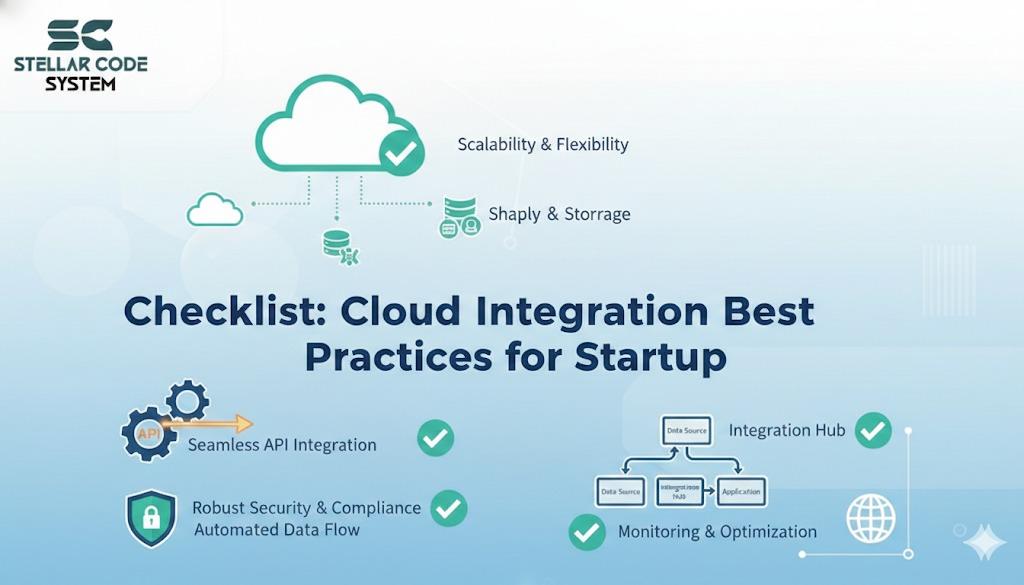
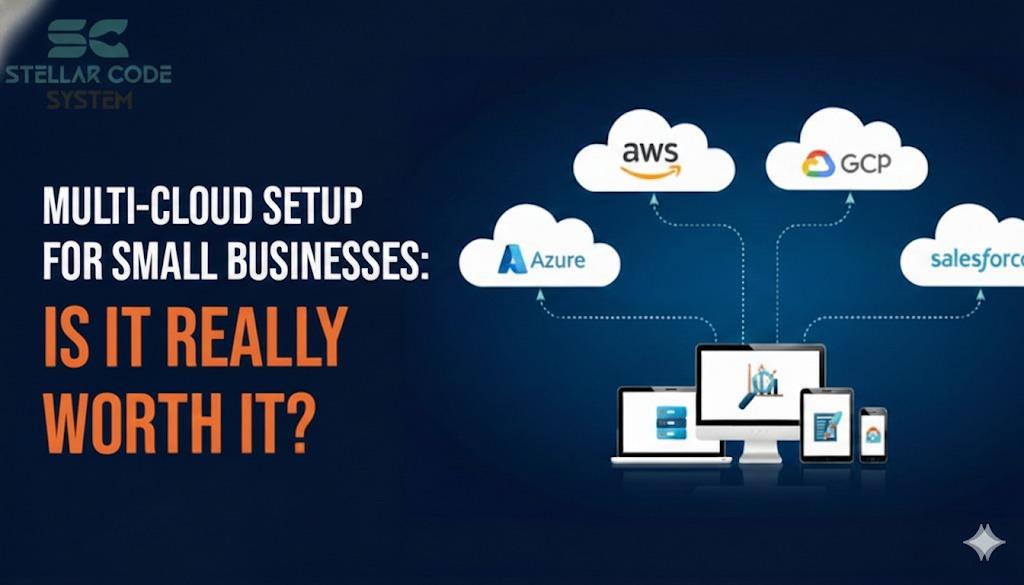
Cloud integration involves the process of connecting your web application with cloud services and resources, such as cloud storage, computing power, and databases, to enhance functionality, scalability, and performance. It allows developers to leverage cloud platforms like Amazon Web Services (AWS), Microsoft Azure, or Google Cloud to host applications, store data, and run complex services, all without relying on expensive on-premise infrastructure.The key advantage of cloud integration is its ability to streamline and optimize operations, enabling businesses to focus on innovation without worrying about the underlying infrastructure. This is especially important as web applications become more complex and need to handle high levels of traffic and data processing.
The Benefits of Cloud Integration for Scalable Web Development
The Role of Cloud-Native Technologies
Cloud-native technologies, such as microservices, containers, and serverless computing, play a crucial role in web development by enabling applications to be highly scalable, resilient, and adaptable to change.
Challenges of Cloud Integration
While cloud integration offers numerous benefits, there are challenges to consider. For instance, migrating existing applications to the cloud can be time-consuming and resource-intensive. Additionally, businesses must ensure they have the necessary technical expertise to manage cloud infrastructure and integrate third-party services effectively.However, these challenges are becoming less daunting as cloud service providers continue to improve their offerings and provide more resources to help businesses transition. With the right strategy and planning, the transition to cloud integration can be smooth and highly rewarding.
Conclusion
Cloud integration is undoubtedly transforming the landscape of web development, offering businesses the scalability, flexibility, and cost-efficiency needed to thrive in today’s competitive environment. By embracing cloud technologies, businesses can future-proof their applications, enhance user experiences, and respond dynamically to changing demands.As more companies move to the cloud, staying ahead of the curve with cloud integration is essential for ensuring your web application remains scalable, secure, and high-performing. The future of scalable web development is in the cloud-and it’s time for your business to embrace it.
1. What is Cloud Integration?
Cloud integration involves the process of connecting your web application with cloud services and resources, such as cloud storage, computing power, and databases, to enhance functionality, scalability, and performance. It allows developers to leverage cloud platforms like Amazon Web Services (AWS), Microsoft Azure, or Google Cloud to host applications, store data, and run complex services, all without relying on expensive on-premise infrastructure.
The key advantage of cloud integration is its ability to streamline and optimize operations, enabling businesses to focus on innovation without worrying about the underlying infrastructure. This is especially important as web applications become more complex and need to handle high levels of traffic and data processing.
2. The Benefits of Cloud Integration for Scalable Web Development
- Elastic Scalability:
- One of the most compelling reasons to adopt cloud integration in web development is scalability. Cloud services allow businesses to scale their web applications up or down based on demand. This elasticity means that during high-traffic periods, additional resources can be easily provisioned to ensure optimal performance, and during low-traffic periods, resources can be scaled back to save costs.
- For example, if your e-commerce site experiences a spike in traffic during a holiday sale, cloud services can automatically allocate more computing power or bandwidth to accommodate the increased demand. This dynamic scaling ensures that your website stays responsive and performs well, regardless of user load.
- Cost Efficiency:
- Traditional web development often requires substantial investments in physical servers, network infrastructure, and ongoing maintenance. With cloud integration, businesses can shift to a pay-as-you-go model, meaning you only pay for the resources you use. This is especially beneficial for startups and small businesses that might not have the budget for a large infrastructure.
- The cloud’s pricing model also provides flexibility. You can avoid upfront capital costs and reduce operational costs, as you don’t need to maintain your hardware or worry about capacity planning. As your application grows, you can easily adjust your resource usage to align with your budget.
- Improved Performance and Reliability:
- Cloud-based web applications tend to have higher performance and uptime compared to traditional on-premise solutions. Cloud providers have multiple data centers located around the world, ensuring that your application can be served from the closest geographical region to your users. This reduces latency and enhances the user experience by delivering content faster.
- Furthermore, leading cloud platforms offer robust Service Level Agreements (SLAs) that guarantee high uptime and reliability, often exceeding 99.9%. If one server goes down, cloud services can automatically redirect traffic to other operational servers, ensuring that your website remains accessible without downtime.
- Seamless Integration with Third-Party Services:
- Another key benefit of cloud integration is its ability to seamlessly connect with third-party services. Whether it’s payment gateways, analytics tools, customer relationship management (CRM) systems, or marketing platforms, cloud services allow you to integrate a wide variety of third-party tools without complex configuration or development.
- This open architecture supports API integrations, which means you can easily add new features or services to your application without disrupting its core functionality. This flexibility is crucial for businesses that want to stay ahead of the competition by continuously enhancing their web applications with new functionalities.
- Enhanced Security:
- Cloud platforms offer advanced security features that ensure your web application’s data is protected. Leading cloud providers implement stringent security measures, including data encryption, firewall protections, and automated backups to safeguard against potential threats.
- Additionally, cloud services provide continuous monitoring and threat detection tools that help developers respond quickly to any security breaches. Many cloud platforms also comply with global security standards, such as GDPR, HIPAA, and PCI-DSS, making it easier to meet compliance requirements for sensitive data.
- By leveraging these built-in security features, businesses can minimize the risk of data breaches, ensure user privacy, and focus on growing their application instead of managing complex security infrastructures.
3. The Role of Cloud-Native Technologies
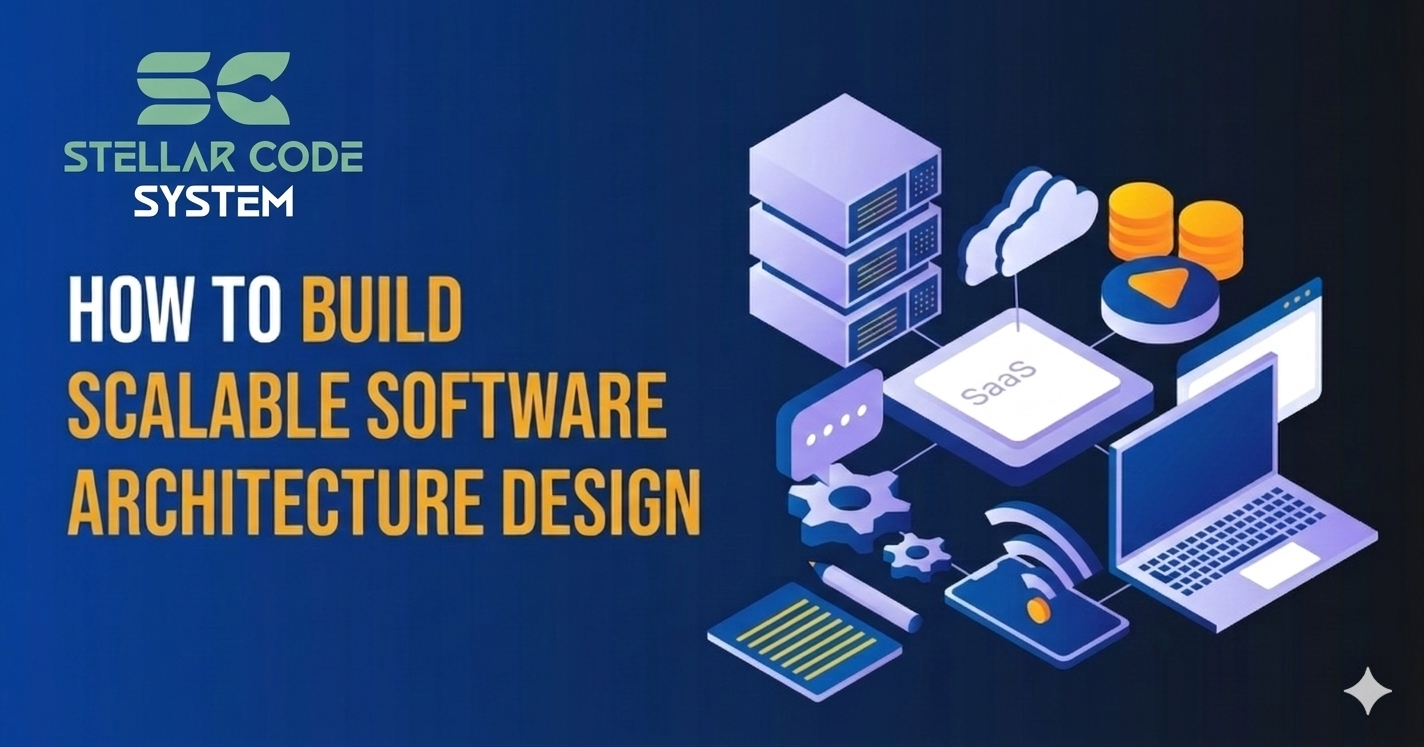
Cloud-native technologies, such as microservices, containers, and serverless computing, play a crucial role in web development by enabling applications to be highly scalable, resilient, and adaptable to change.
- Microservices: These allow developers to break down applications into smaller, independently deployable services that can be scaled, maintained, and updated without affecting the entire application. This architecture is perfect for cloud environments because it allows for greater flexibility and more efficient resource management.
- Containers: Containerization tools like Docker make it easier to deploy and manage applications in the cloud. Containers package an application and its dependencies together, ensuring that it runs consistently across different environments.
- Serverless Computing: With serverless computing, developers can focus on writing code without worrying about server management. Cloud providers automatically allocate resources as needed, which allows applications to scale automatically.
4. Challenges of Cloud Integration
While cloud integration offers numerous benefits, there are challenges to consider. For instance, migrating existing applications to the cloud can be time-consuming and resource-intensive. Additionally, businesses must ensure they have the necessary technical expertise to manage cloud infrastructure and integrate third-party services effectively.
However, these challenges are becoming less daunting as cloud service providers continue to improve their offerings and provide more resources to help businesses transition. With the right strategy and planning, the transition to cloud integration can be smooth and highly rewarding.
5. Conclusion
Cloud integration is undoubtedly transforming the landscape of web development, offering businesses the scalability, flexibility, and cost-efficiency needed to thrive in today’s competitive environment. By embracing cloud technologies, businesses can future-proof their applications, enhance user experiences, and respond dynamically to changing demands.As more companies move to the cloud, staying ahead of the curve with cloud integration is essential for ensuring your web application remains scalable, secure, and high-performing. The future of scalable web development is in the cloud-and it’s time for your business to embrace it.
About the Author
Paras Dabhi
VerifiedFull-Stack Developer (Python/Django, React, Node.js) · Stellar Code System
Hi, I’m Paras Dabhi. I build scalable web applications and SaaS products with Django REST, React/Next.js, and Node.js. I focus on clean architecture, performance, and production-ready delivery with modern UI/UX.

Paras Dabhi
Stellar Code System
Building scalable CRM & SaaS products
Clean architecture · Performance · UI/UX