Custom Software Development Cost In USA
Many founders start a software project with a reasonable budget estimate.
The requirements seem clear. The development team agrees on a timeline. The product scope looks manageable. Everyone assumes the biggest expense will be writing code.
A few months later, the budget looks very different.
The problem is rarely the software itself. In most projects I've worked on, the largest cost increases came from changing requirements, integration challenges, architecture decisions, deployment issues, and underestimated maintenance work.
This is especially common in custom software projects where the application is expected to support unique business processes rather than follow a standard product template.
When people search for custom software development cost in USA, they often focus on developer rates. In reality, hourly rates are only one small part of the overall investment.
Why This Problem Happens in Real Teams
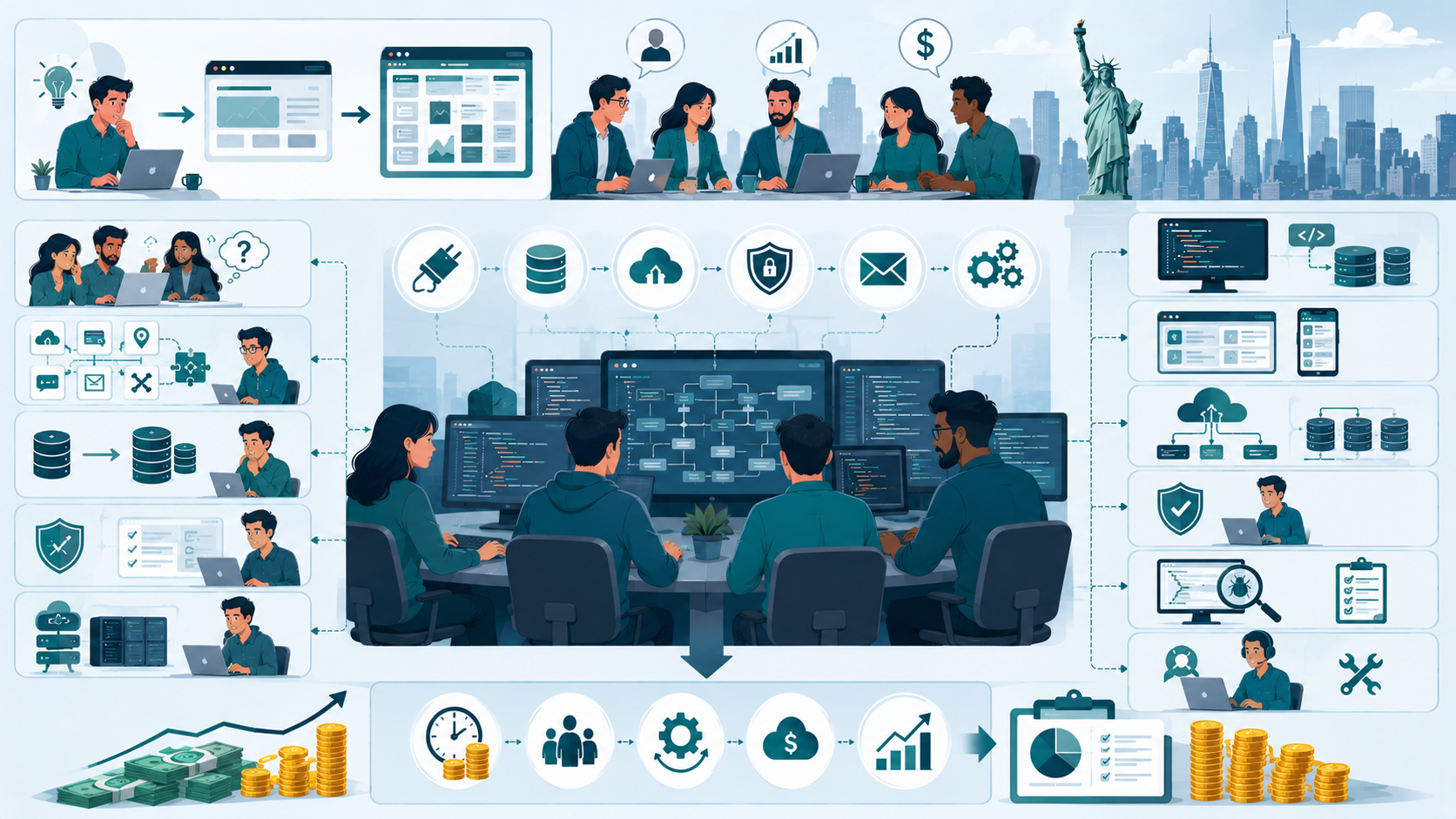
Most cost overruns begin long before developers write production code.
Startup teams usually work under time pressure. Product teams want functionality delivered quickly. Investors want progress. Customers want features.
As a result, engineering teams often begin development before fully understanding requirements.
I have seen projects where:
- The original system specification changed three times during development.
- New API integrations appeared halfway through implementation.
- Database requirements doubled after stakeholder reviews.
- Security requirements were introduced near deployment.
Every change affects cost.
A simple application becomes a larger platform.
A platform becomes a complex system.
A system requires additional infrastructure, testing, support, and maintenance.
The development budget expands even though the original project goal remains unchanged.
Another common issue is assuming that architecture decisions have no financial impact.
In reality:
- Backend complexity increases engineering effort.
- Frontend requirements affect design and testing.
- Cloud infrastructure creates ongoing expenses.
- Scalability requirements increase development time.
- Security controls require additional implementation and validation.
The software itself may look similar to stakeholders, but the underlying engineering effort grows significantly.
Where Most Teams Make the Wrong Decision
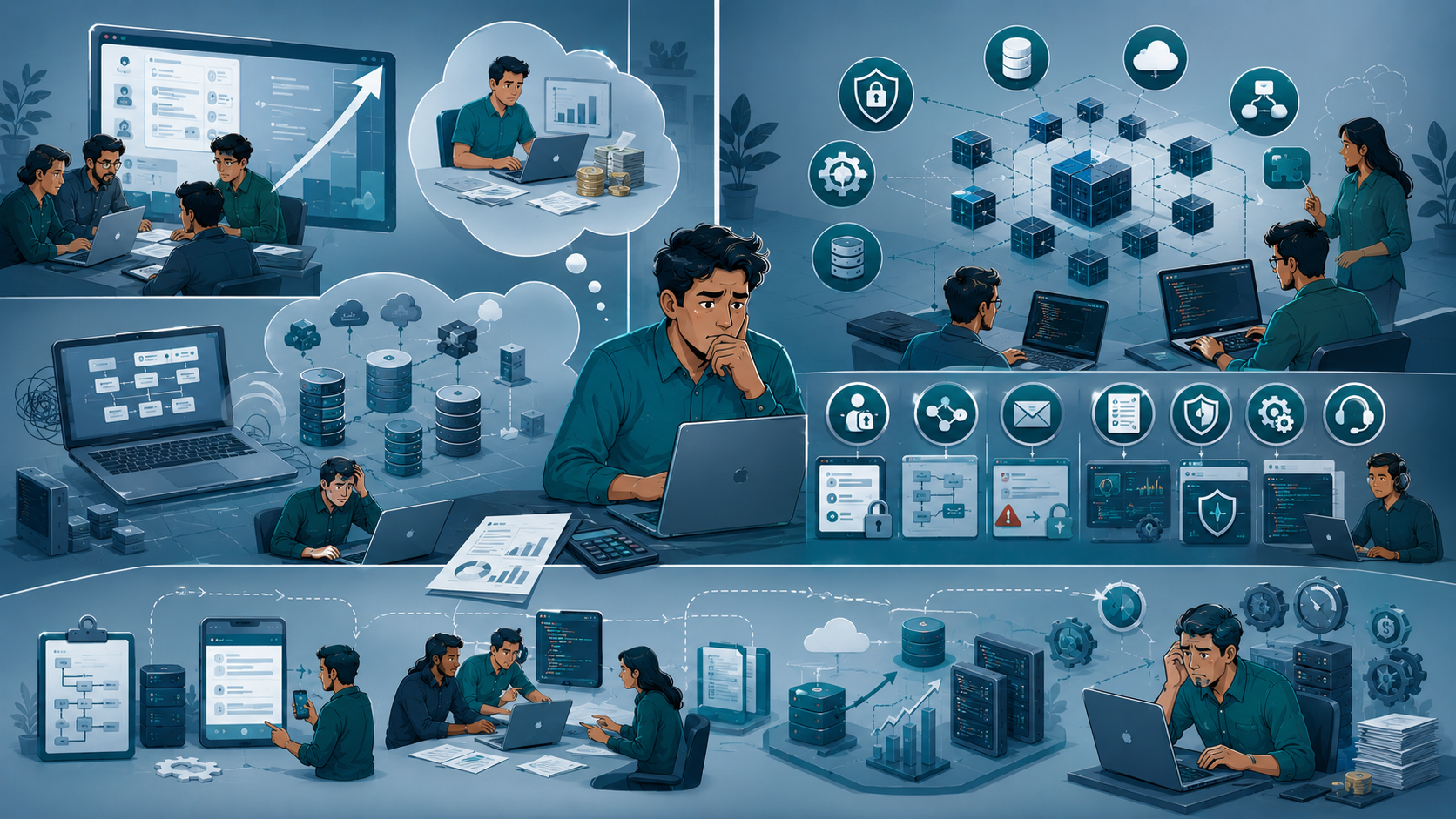
The biggest mistake I see is treating software development pricing as a developer rate calculation.
Most teams ask: "What is the hourly rate?"
Very few ask: "What will increase complexity six months from now?"
Those are very different questions.
I have seen startups hire highly skilled developers at reasonable rates and still exceed their budget because of poor planning.
Common examples include:
Building Enterprise Architecture Too Early
Many startup teams adopt enterprise-level architecture before validating their product. Introducing distributed services, advanced infrastructure, and multiple databases too early increases complexity without delivering immediate business value. This often leads to higher development costs, slower delivery cycles, and greater maintenance overhead.
Small startup teams often introduce:
- Distributed services
- Advanced infrastructure
- Complex deployment workflows
- Multiple databases
before product validation.
The architecture looks impressive but dramatically increases development and maintenance expenses.
Underestimating Integration Work
Integrations often appear straightforward during planning but become more complex during implementation. Tasks such as authentication, data mapping, monitoring, and error handling require significant engineering effort. As a result, integration work frequently adds unexpected costs and delays to software projects.
However, real implementation often requires:
- Authentication workflows
- Error handling
- Data transformation
- Monitoring
- Security reviews
- Ongoing support
The integration cost frequently exceeds original estimates.
Treating Customization as a Small Change
Custom features can seem minor individually, but they often create long-term technical challenges. Each customization introduces additional testing, documentation, and maintenance requirements. Over time, these changes increase system complexity and make future development more difficult.
In practice, every custom workflow increases:
- Testing effort
- Deployment risk
- Documentation requirements
- Maintenance obligations
As functionality expands, the project becomes harder to support and evolve.
Ignoring Long-Term Ownership Costs
Many organizations focus on initial development expenses while overlooking ongoing ownership costs. Software requires continuous maintenance, security updates, infrastructure management, and technical improvements. Failing to account for these responsibilities can significantly increase the total cost of the system over time.
They overlook:
- Maintenance
- Infrastructure
- Security updates
- Testing cycles
- Deployment management
- Support requirements
The total cost of ownership becomes much larger than the initial development estimate.
Practical Fixes That Actually Work
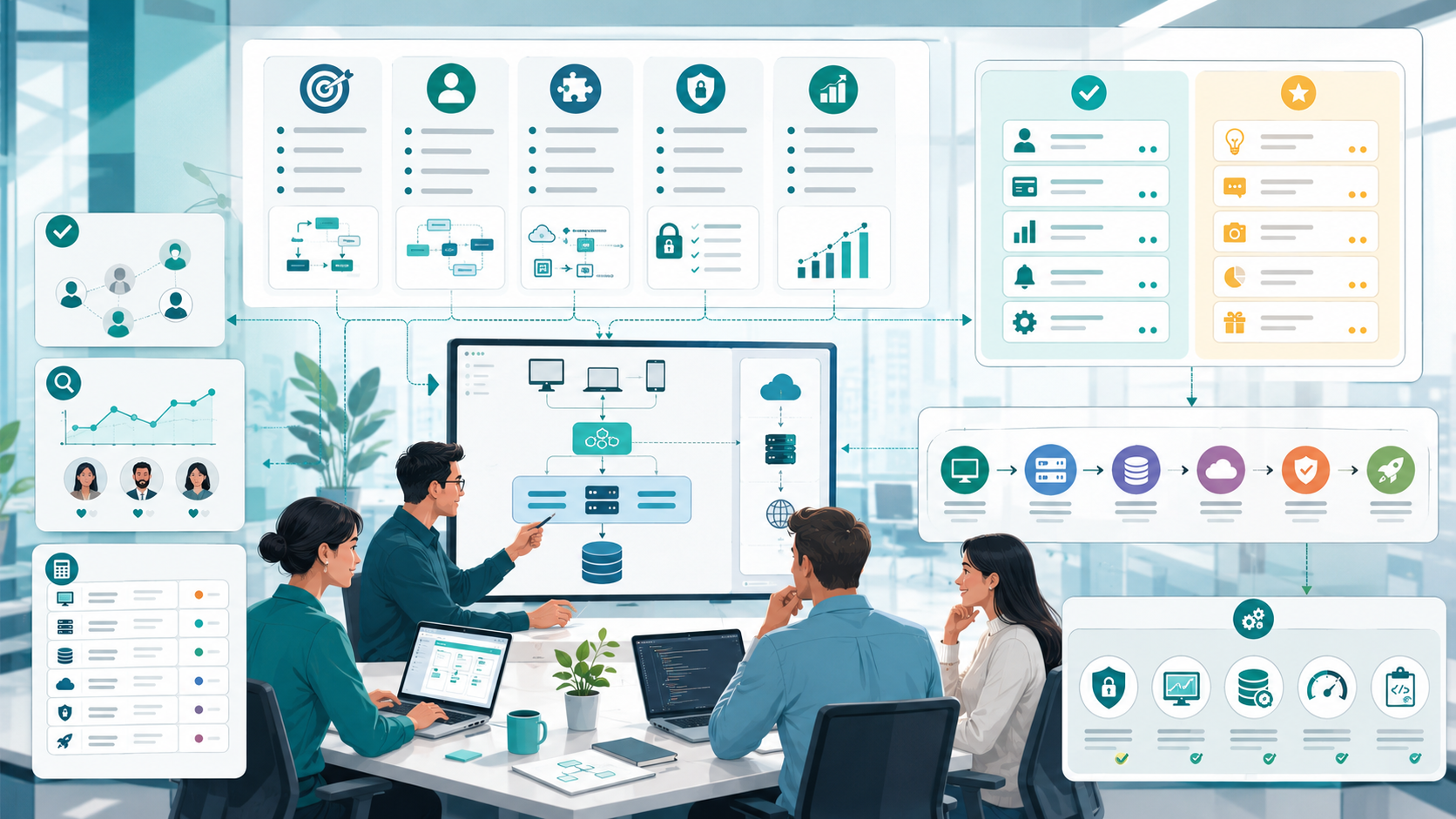
After working with SaaS products, startup teams, and international engineering organizations, several approaches consistently reduce software costs without sacrificing quality.
Define Requirements Before Architecture
Strong software projects begin with clear requirements, not technology choices. Working with a US custom software team for cost-controlled builds helps founders document functionality, workflows, integrations, security expectations, and expected scale before architecture decisions increase the project budget.
Not the other way around.
Before selecting technologies, document:
- Core functionality
- User workflows
- Integration needs
- Security requirements
- Expected scale
This prevents unnecessary complexity.
Build for Current Scale
Many teams design systems for future growth that may never happen. Starting with a simple architecture allows developers to deliver functionality faster while keeping costs under control. Additional infrastructure and scalability improvements can be introduced when actual usage justifies them.
Start with:
- Simple backend services
- One database
- Clear API structure
- Straightforward deployment process
Expand only when growth creates a measurable need.
Separate Essential Features From Future Ideas
Projects often exceed their budget because every requested feature is treated as equally important. Prioritizing core functionality helps teams focus on delivering immediate value. Future enhancements can be added later based on user feedback and real-world usage data.
Instead:
- Define essential functionality
- Delay secondary features
- Validate product assumptions
- Measure actual usage
This approach protects investment and reduces waste.
Improve Cost Estimation Processes
Accurate estimates come from understanding the actual engineering effort involved in a project. A budget-aware custom software partner in the US can help break work into frontend, backend, database, integration, testing, and deployment tasks so founders see the real budget drivers before development scales.
Break work into:
- Frontend tasks
- Backend tasks
- Database work
- Integration work
- Testing activities
- Deployment preparation
This produces more accurate project estimates.
Budget for Maintenance Early
Software development does not end after deployment. Ongoing maintenance includes security updates, infrastructure monitoring, bug fixes, and performance improvements. Planning for these expenses early helps organizations avoid unexpected costs and maintain long-term system reliability.
Include planning for:
- Security updates
- Infrastructure monitoring
- Database optimization
- Performance improvements
- Technical debt reduction
Ignoring maintenance almost always increases long-term expenses.

When This Approach Fails
These recommendations work well for most startup and mid-sized projects.
However, there are exceptions.
Large enterprise environments often require:
- Advanced security controls
- Regulatory compliance
- Complex integrations
- Multi-region infrastructure
- Large engineering teams
In those situations, simpler architecture may not be sufficient.
Similarly, products expecting massive traffic from launch may need additional scalability planning earlier than typical startup applications.
The key is matching architecture decisions to actual business requirements rather than future assumptions.
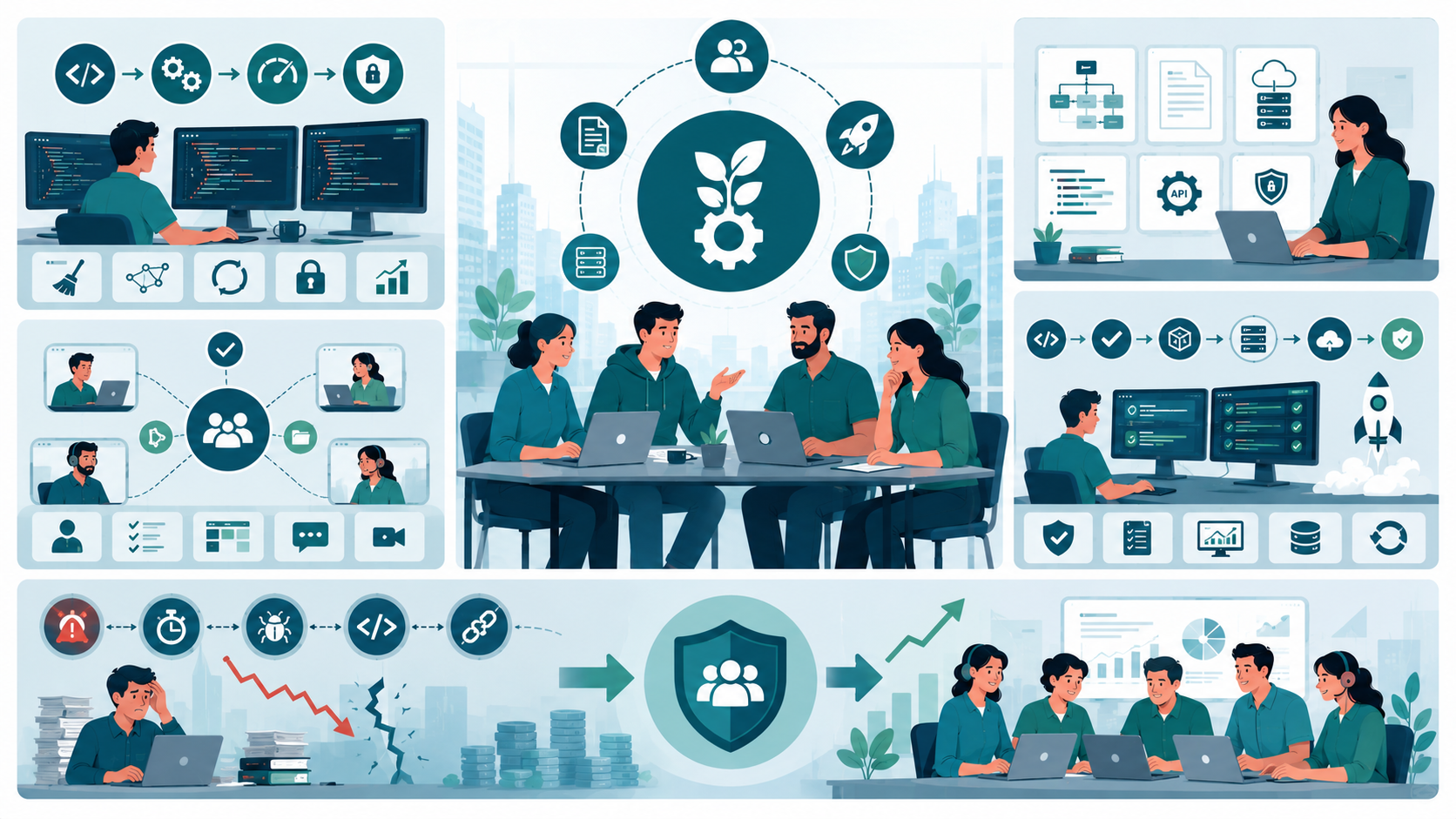
Sustainable Practices for Small Engineering Teams
The most successful teams focus on sustainability rather than speed alone.
Reduce Technical Debt Continuously
Technical debt accumulates gradually and can significantly increase development costs over time. Regular activities such as refactoring, dependency updates, and architecture improvements help keep systems maintainable. Addressing small issues early prevents larger and more expensive rebuilds in the future.
Schedule recurring work for:
- Refactoring
- Architecture cleanup
- Dependency updates
- Performance improvements
- Security reviews
Small improvements prevent larger rebuilds.
Maintain Clear Documentation
Good documentation helps teams work more efficiently and reduces reliance on individual knowledge. Recording architecture decisions, API specifications, deployment procedures, and security requirements improves consistency across projects. It also makes onboarding new developers faster and less disruptive.
Document:
- Architecture decisions
- Infrastructure dependencies
- API specifications
- Deployment workflows
- Security requirements
This improves team efficiency and onboarding.
Simplify Collaboration
Effective collaboration is essential for distributed and remote engineering teams. Clear ownership, defined responsibilities, and consistent workflows help prevent confusion and delays. Strong communication practices reduce bottlenecks and improve overall team productivity.
Focus on:
- Clear ownership
- Defined responsibilities
- Consistent workflows
- Transparent communication
Strong collaboration reduces engineering bottlenecks.
Standardize Deployment Processes
Unstructured deployment workflows often lead to avoidable outages, bugs, and operational costs. Automated testing, deployment validation, monitoring, and rollback procedures create a more reliable release process. Consistent deployment practices improve software stability and reduce risk.
Invest in:
- Automated testing
- Deployment validation
- Monitoring
- Rollback procedures
Reliable deployment workflows reduce operational expenses.
Protect Team Capacity
Sustained productivity is difficult when engineering teams constantly operate under pressure. Excessive workloads often result in rushed decisions, lower code quality, and increased technical debt. Protecting team capacity helps maintain development velocity while supporting long-term software quality and stability.
This often leads to:
- Lower code quality
- Increased bugs
- Architecture shortcuts
- Higher maintenance costs
Sustainable delivery usually produces better long-term outcomes than constant urgency.
Conclusion
The biggest misconception about custom software development cost in USA is that developer rates determine project pricing.
In reality, costs are driven by complexity, requirements, architecture decisions, integrations, infrastructure, maintenance obligations, and long-term ownership responsibilities.
Most budget overruns occur because teams underestimate how quickly a simple application can evolve into a complex software platform.
The most practical approach is to keep architecture simple, define requirements carefully, control customization, and invest in sustainable engineering practices from the beginning.
Projects that follow these principles usually spend less money solving real business problems and more time delivering valuable functionality.
FAQ
Most projects experience requirement changes, additional integrations, architecture expansion, and underestimated maintenance work. These factors increase engineering effort beyond initial estimates.
Project complexity, functionality, integrations, security requirements, infrastructure decisions, testing needs, and long-term maintenance typically have a larger impact than hourly rates alone.
Usually no. Most startup teams benefit from simple architecture that supports current requirements. Premature scalability often increases costs without creating immediate value.
Clear requirements, controlled scope, simplified architecture, accurate estimation, and continuous maintenance planning help reduce unnecessary costs.
Maintenance includes security updates, infrastructure management, performance improvements, testing, monitoring, and technical debt reduction. These ongoing responsibilities significantly affect total ownership costs.
Reference
Written by

Paras Dabhi
VerifiedFull-Stack Developer (Python/Django, React, Node.js)
I build scalable web apps and SaaS products with Django REST, React/Next.js, and Node.js — clean architecture, performance, and production-ready delivery.
LinkedIn