Why Custom Software is Essential for Small Businesses
In today’s rapidly evolving business landscape, small businesses are constantly looking for ways to optimize operations, improve efficiency, and stay competitive. While many businesses rely on off-the-shelf software solutions, there’s an increasing trend toward adopting custom software tailored specifically to a company’s unique needs. Custom software development can provide a range of benefits that off-the-shelf solutions simply can’t match. In this blog, we’ll explore why custom software is essential for small businesses.
Tailored to Your Specific Needs
One of the primary advantages of custom software is that it is designed to meet the specific needs of your business. Off-the-shelf software often includes features that may not be necessary for your business, or worse, it may lack features that are critical for your operations. Custom software allows you to focus on the exact functionalities and processes that are relevant to your business.For example, a retail business might need an inventory management system that integrates directly with their point-of-sale system and automatically tracks sales and stock levels. Off-the-shelf solutions might not offer the level of integration and customization required to streamline this process. Custom software can be built from the ground up to address exactly how you do business.
Scalable for Growth
As small businesses grow, their needs change. What works for a small team may not be enough as you scale operations. Custom software offers the flexibility to grow with your business. It can be adapted to accommodate new features, users, and increased complexity as your business expands.Whether you need to add more functionality, integrate new tools, or handle higher traffic, custom software can evolve in tandem with your business needs. Off-the-shelf software, on the other hand, often requires expensive upgrades or replacements as your business grows, and it may never fully align with your evolving requirements.
Competitive Advantage
In a competitive market, small businesses must find ways to stand out from their competitors. Custom software can give you a significant edge by streamlining your operations, providing better data insights, and enhancing customer experiences in ways that off-the-shelf software simply can’t.Custom software can be designed to give your business unique capabilities, improving customer engagement and satisfaction. For instance, a custom CRM (Customer Relationship Management) system can be built to manage client relationships in a way that aligns with your business model, making it easier to retain customers and drive growth.
Improved Efficiency and Productivity
By automating repetitive tasks, custom software can significantly improve the efficiency and productivity of your team. Whether it's automating billing and invoicing, managing inventory, or handling customer inquiries, custom software can streamline operations and reduce the manual effort involved.Custom software can integrate seamlessly with other tools and platforms you’re already using, eliminating the need for multiple, disjointed systems. This integration leads to fewer errors, better data management, and more time for employees to focus on higher-value tasks. Off-the-shelf solutions, while convenient, often require manual workarounds to make everything work together smoothly, leading to inefficiencies.
Better Security
For small businesses, data security is a major concern. Off-the-shelf software may be prone to security breaches and vulnerabilities due to its wide usage across many organizations. Since custom software is specifically built for your business, it can be developed with robust security protocols to protect your sensitive data.With custom software, you have complete control over the security measures that are implemented, such as encryption, secure access controls, and regular updates. This ensures that your business and customer data remain safe from cyber threats. Additionally, custom software can be regularly maintained and updated to address any emerging security issues.
Cost-Effectiveness in the Long Run
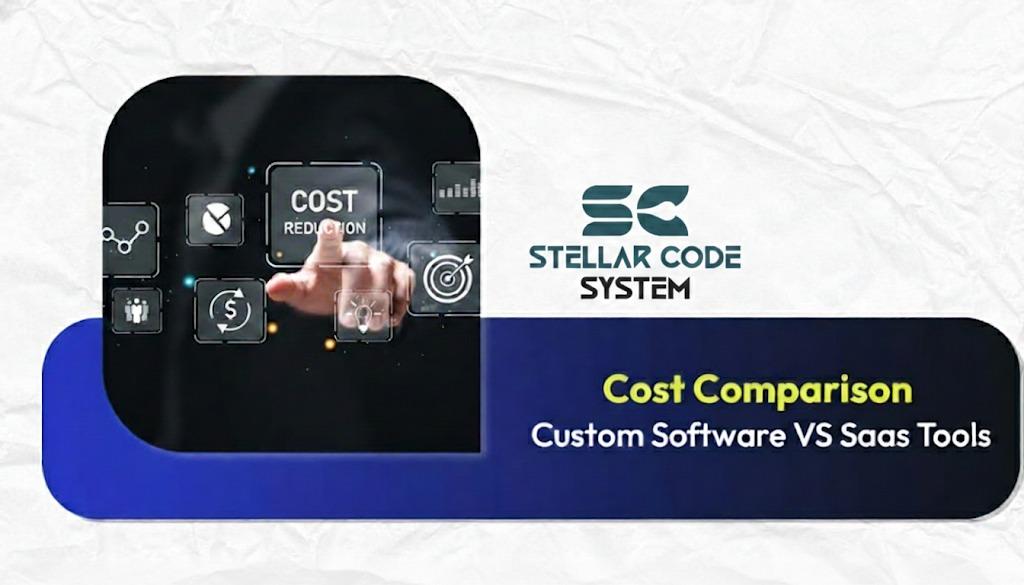
While custom software may have a higher initial development cost compared to off-the-shelf solutions, it can be more cost-effective in the long run. Off-the-shelf software often comes with recurring subscription fees, licensing costs, and hidden charges for upgrades and additional features. Over time, these costs can add up.In contrast, custom software is a one-time investment (except for ongoing maintenance) that is designed specifically for your business. You won’t have to pay for features you don’t need, and you can avoid paying for unnecessary upgrades or external support services. The efficiency and productivity gains from custom software can also help your business save money over time by reducing the need for additional staff or operational costs.
Ownership and Control
With off-the-shelf software, you are at the mercy of the software provider. You may face price increases, discontinuation of the software, or a lack of necessary updates. When you invest in custom software, you own the intellectual property, giving you complete control over its future.You can choose to maintain, update, or scale the software as you see fit. If you ever need to change something, you have full access to the source code, unlike with off-the-shelf solutions where you’re bound by the provider's decisions. This level of ownership ensures that you can adjust the software to meet your evolving business needs without relying on a third-party provider’s timelines or restrictions.
Support and Maintenance
Custom software developers offer dedicated support and maintenance to ensure your software continues to function smoothly. If any issues arise, you can count on a direct line to the developers who built your software, rather than relying on a third-party customer service team that may not be familiar with your specific needs.Moreover, as your business grows, the developers can help you scale your software or make improvements. In contrast, with off-the-shelf software, you may have to wait for updates or rely on generic support that might not fully address your concerns.
Conclusion
For small businesses, custom software is not just an investment in technology, but an investment in growth and efficiency. It offers a tailored solution that fits your unique business needs, scales as you grow, and provides a competitive edge. While the initial cost may be higher than using an off-the-shelf solution, the long-term benefits-such as improved productivity, better security, and full control-make custom software a valuable asset for small businesses.
1. Tailored to Your Specific Needs
- One of the primary advantages of custom software is that it is designed to meet the specific needs of your business. Off-the-shelf software often includes features that may not be necessary for your business, or worse, it may lack features that are critical for your operations. Custom software allows you to focus on the exact functionalities and processes that are relevant to your business.
- For example, a retail business might need an inventory management system that integrates directly with their point-of-sale system and automatically tracks sales and stock levels. Off-the-shelf solutions might not offer the level of integration and customization required to streamline this process. Custom software can be built from the ground up to address exactly how you do business.
2. Scalable for Growth
- As small businesses grow, their needs change. What works for a small team may not be enough as you scale operations. Custom software offers the flexibility to grow with your business. It can be adapted to accommodate new features, users, and increased complexity as your business expands.
- Whether you need to add more functionality, integrate new tools, or handle higher traffic, custom software can evolve in tandem with your business needs. Off-the-shelf software, on the other hand, often requires expensive upgrades or replacements as your business grows, and it may never fully align with your evolving requirements.
3. Competitive Advantage
- In a competitive market, small businesses must find ways to stand out from their competitors. Custom software can give you a significant edge by streamlining your operations, providing better data insights, and enhancing customer experiences in ways that off-the-shelf software simply can’t.
- Custom software can be designed to give your business unique capabilities, improving customer engagement and satisfaction. For instance, a custom CRM (Customer Relationship Management) system can be built to manage client relationships in a way that aligns with your business model, making it easier to retain customers and drive growth.
4. Improved Efficiency and Productivity
- By automating repetitive tasks, custom software can significantly improve the efficiency and productivity of your team. Whether it's automating billing and invoicing, managing inventory, or handling customer inquiries, custom software can streamline operations and reduce the manual effort involved.
- Custom software can integrate seamlessly with other tools and platforms you’re already using, eliminating the need for multiple, disjointed systems. This integration leads to fewer errors, better data management, and more time for employees to focus on higher-value tasks. Off-the-shelf solutions, while convenient, often require manual workarounds to make everything work together smoothly, leading to inefficiencies.
5. Better Security
- For small businesses, data security is a major concern. Off-the-shelf software may be prone to security breaches and vulnerabilities due to its wide usage across many organizations. Since custom software is specifically built for your business, it can be developed with robust security protocols to protect your sensitive data.
- With custom software, you have complete control over the security measures that are implemented, such as encryption, secure access controls, and regular updates. This ensures that your business and customer data remain safe from cyber threats. Additionally, custom software can be regularly maintained and updated to address any emerging security issues.
6. Cost-Effectiveness in the Long Run
- While custom software may have a higher initial development cost compared to off-the-shelf solutions, it can be more cost-effective in the long run. Off-the-shelf software often comes with recurring subscription fees, licensing costs, and hidden charges for upgrades and additional features. Over time, these costs can add up.
- In contrast, custom software is a one-time investment (except for ongoing maintenance) that is designed specifically for your business. You won’t have to pay for features you don’t need, and you can avoid paying for unnecessary upgrades or external support services. The efficiency and productivity gains from custom software can also help your business save money over time by reducing the need for additional staff or operational costs.
7. Ownership and Control
- With off-the-shelf software, you are at the mercy of the software provider. You may face price increases, discontinuation of the software, or a lack of necessary updates. When you invest in custom software, you own the intellectual property, giving you complete control over its future.
- You can choose to maintain, update, or scale the software as you see fit. If you ever need to change something, you have full access to the source code, unlike with off-the-shelf solutions where you’re bound by the provider's decisions. This level of ownership ensures that you can adjust the software to meet your evolving business needs without relying on a third-party provider’s timelines or restrictions.
8. Support and Maintenance
- Custom software developers offer dedicated support and maintenance to ensure your software continues to function smoothly. If any issues arise, you can count on a direct line to the developers who built your software, rather than relying on a third-party customer service team that may not be familiar with your specific needs.
- Moreover, as your business grows, the developers can help you scale your software or make improvements. In contrast, with off-the-shelf software, you may have to wait for updates or rely on generic support that might not fully address your concerns.
9. Conclusion
For small businesses, custom software is not just an investment in technology, but an investment in growth and efficiency. It offers a tailored solution that fits your unique business needs, scales as you grow, and provides a competitive edge. While the initial cost may be higher than using an off-the-shelf solution, the long-term benefits-such as improved productivity, better security, and full control-make custom software a valuable asset for small businesses.
About the Author
Paras Dabhi
VerifiedFull-Stack Developer (Python/Django, React, Node.js) · Stellar Code System
Hi, I’m Paras Dabhi. I build scalable web applications and SaaS products with Django REST, React/Next.js, and Node.js. I focus on clean architecture, performance, and production-ready delivery with modern UI/UX.

Paras Dabhi
Stellar Code System
Building scalable CRM & SaaS products
Clean architecture · Performance · UI/UX