Enterprise Software Development Cost In USA
Enterprise software has become a critical component of modern business operations, helping organizations improve productivity, drive innovation, and achieve greater organizational efficiency.
Whether a company is investing in a new enterprise solution, pursuing digital transformation, or upgrading existing systems through modernization, understanding the enterprise software development cost in USA is essential for effective financial planning.
This guide explores the major factors influencing enterprise software costs, the technologies involved, and how businesses can maximize return on investment while controlling their budget and overall expenditure.
What Is Enterprise Software Development?
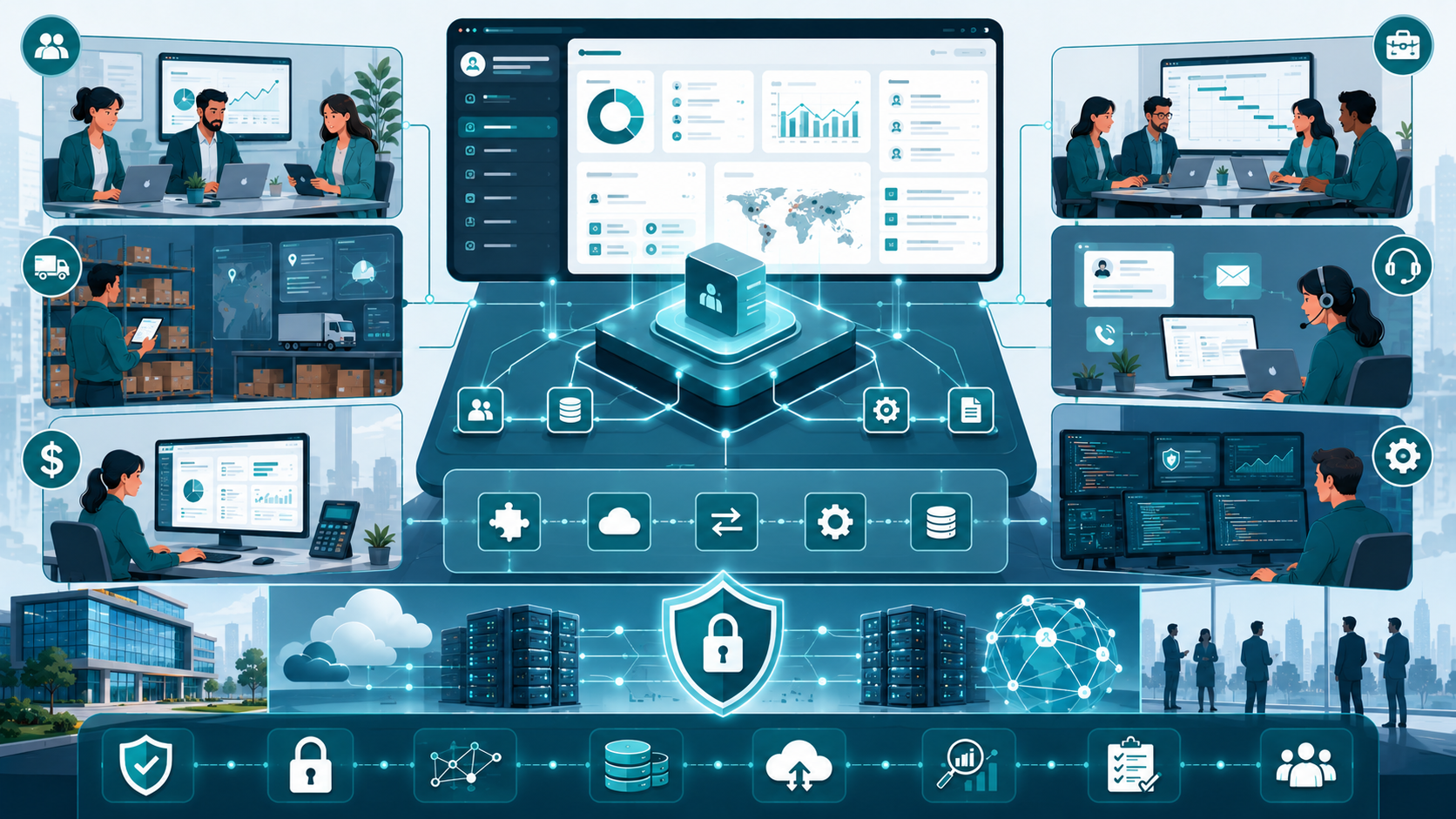
Enterprise software development involves designing, building, and maintaining large-scale applications that support complex organizational needs. These applications often streamline workflow management, improve operational performance, and enable business process automation across departments.
Unlike standard applications, enterprise platforms require advanced engineering, scalable software architecture, robust security, and seamless integration with existing systems. As a result, pricing and expense levels are significantly higher than those of smaller software projects.

Average Enterprise Software Development Cost in USA
The cost of enterprise software development in the United States varies based on project requirements, technology choices, and team composition.
Typical investment ranges include:
| Project Type | Estimated Cost |
|---|---|
| Basic Enterprise Application | $50,000 – $150,000 |
| Mid-Level Enterprise Solution | $150,000 – $500,000 |
| Advanced Enterprise Platform | $500,000 – $2,000,000+ |
| Large-Scale Enterprise Ecosystem | $2,000,000 – $10,000,000+ |
These figures represent initial development and do not include ongoing maintenance, infrastructure costs, licensing fees, or future enhancements.
Key Cost Factors Affecting Enterprise Software Development
Project Scope and Complexity
The most significant driver of cost is project scope and overall complexity.
Projects requiring extensive functionality, custom workflows, advanced reporting systems, and large user bases demand more development effort. A broader feature set generally increases both development time and overall resource allocation.
Software Architecture and Scalability
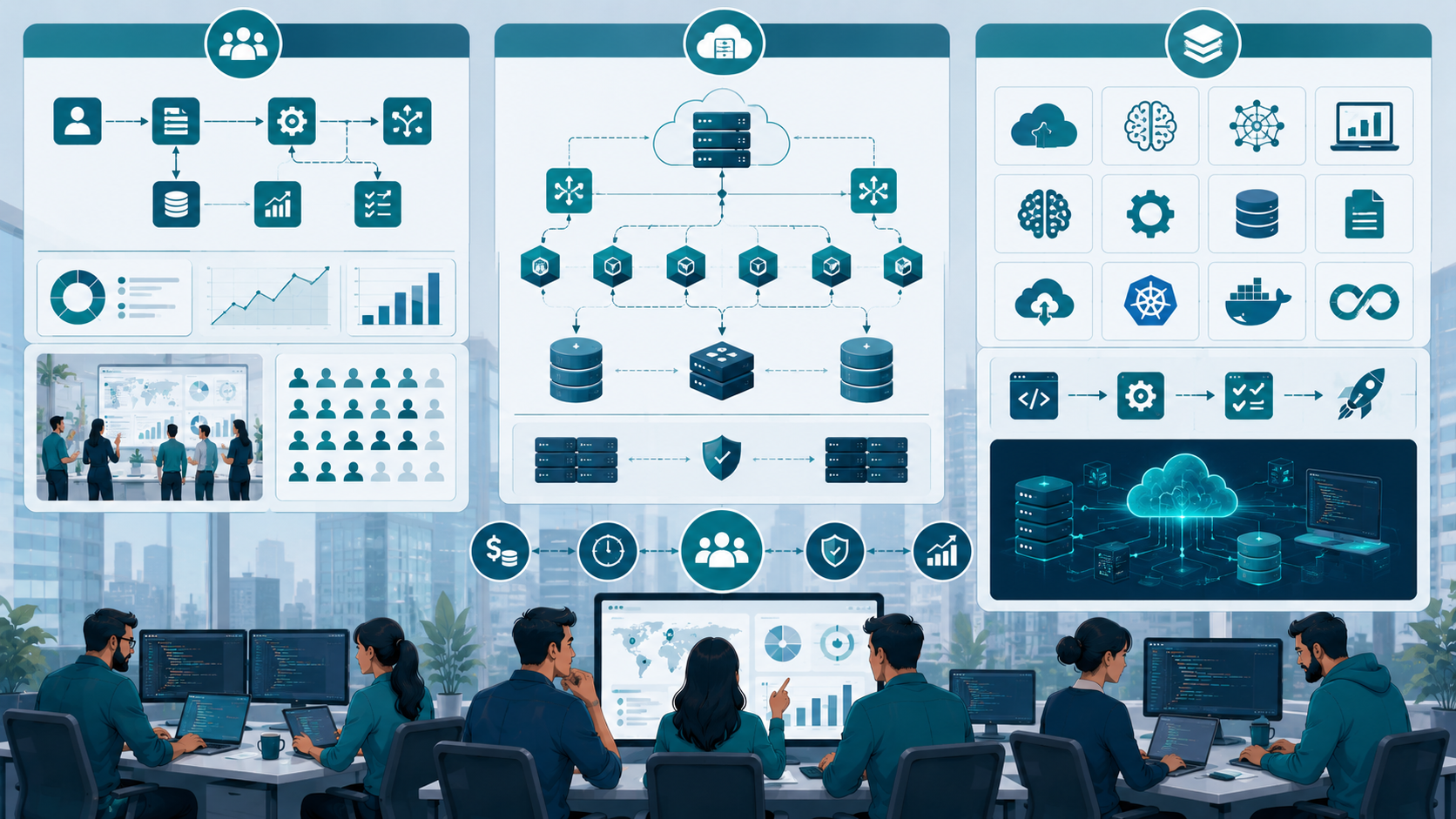
Software architecture serves as the foundation of enterprise applications, influencing performance, reliability, and future growth. Businesses often invest in scalable technologies such as microservices, distributed systems, and enterprise-grade databases to support increasing workloads. A well-designed architecture helps reduce operational challenges and improves long-term maintainability.
Organizations often invest in:
- Microservices
- Distributed systems
- High-availability infrastructure
- Enterprise-grade databases
These architectural decisions influence both initial development costs and the total cost of ownership.
Technology Stack Selection
The technology stack plays a significant role in determining enterprise software development costs and capabilities. Modern solutions commonly leverage cloud computing, AI, machine learning, API integrations, and DevOps practices to enhance functionality and efficiency. Choosing the right technologies can improve scalability, performance, and long-term business value.
Modern enterprise applications frequently incorporate:
- Cloud computing
- Artificial intelligence
- Machine learning
- API integration
- Advanced database management
- Platform engineering
- DevOps practices
While these technologies can increase upfront costs, they often improve long-term efficiency and support cost optimization initiatives.
Development Process and Cost Impact
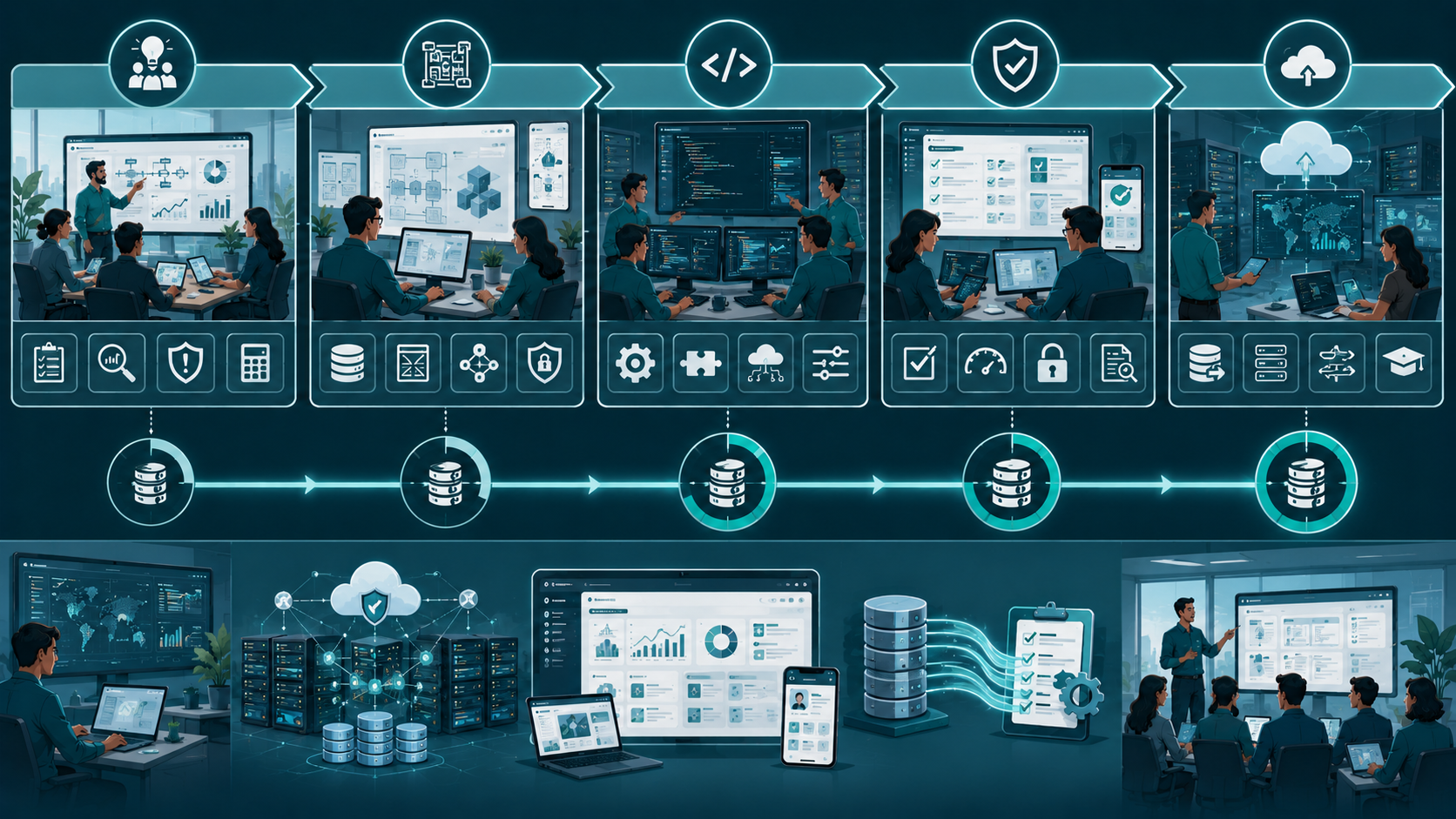
The enterprise software development lifecycle includes several stages that contribute to total project costs.
Planning and Discovery
The planning and discovery phase establishes the foundation for a successful enterprise software project. Working with a US enterprise software partner for scalable business systems helps organizations gather requirements, assess feasibility, identify risks, estimate budgets, and align enterprise development with long-term business objectives.
Key activities include:
- Requirement gathering
- Feasibility analysis
- Risk assessment
- Budget forecasting
Effective planning reduces project risks and improves operational scalability.
Design and Architecture
The design and architecture stage focuses on creating a scalable and secure framework for the application. It involves system architecture planning, user experience design, data modeling, and security considerations. A strong foundation improves performance, maintainability, and future scalability.
This stage involves:
- System architecture
- User experience design
- Data modeling
- Security planning
A well-designed foundation reduces future technical debt and improves long-term maintainability.
Development and Implementation
During development and implementation, teams build core functionalities and transform requirements into a working software solution. This phase includes coding, customization, integrations, and system configuration. The complexity and scope of development significantly impact overall project costs and timelines.
Development teams typically work on:
- Core business functionality
- Customization
- System configuration
- Third-party integrations
- Internal process automation
The duration of this stage heavily influences overall project pricing.
Testing and Quality Assurance
Testing and quality assurance ensure the software performs reliably, securely, and according to business requirements. Various testing methods help identify and resolve issues before launch. Thorough quality assurance reduces future maintenance costs and enhances user satisfaction.
Testing activities may include:
- Functional testing
- Performance testing
- Security validation
- Compliance verification
Investing in testing reduces long-term risk reduction costs and improves software stability.
Deployment and Migration
Deployment and migration involve launching the software and transitioning data and processes to the new system. Organizations may also need to integrate existing infrastructure and train employees on the new platform. Careful execution of this phase helps ensure business continuity and a smooth rollout.
Organizations moving from legacy systems often incur additional expenses due to data transfer requirements, integration challenges, and employee training.
Team Structure and Development Costs
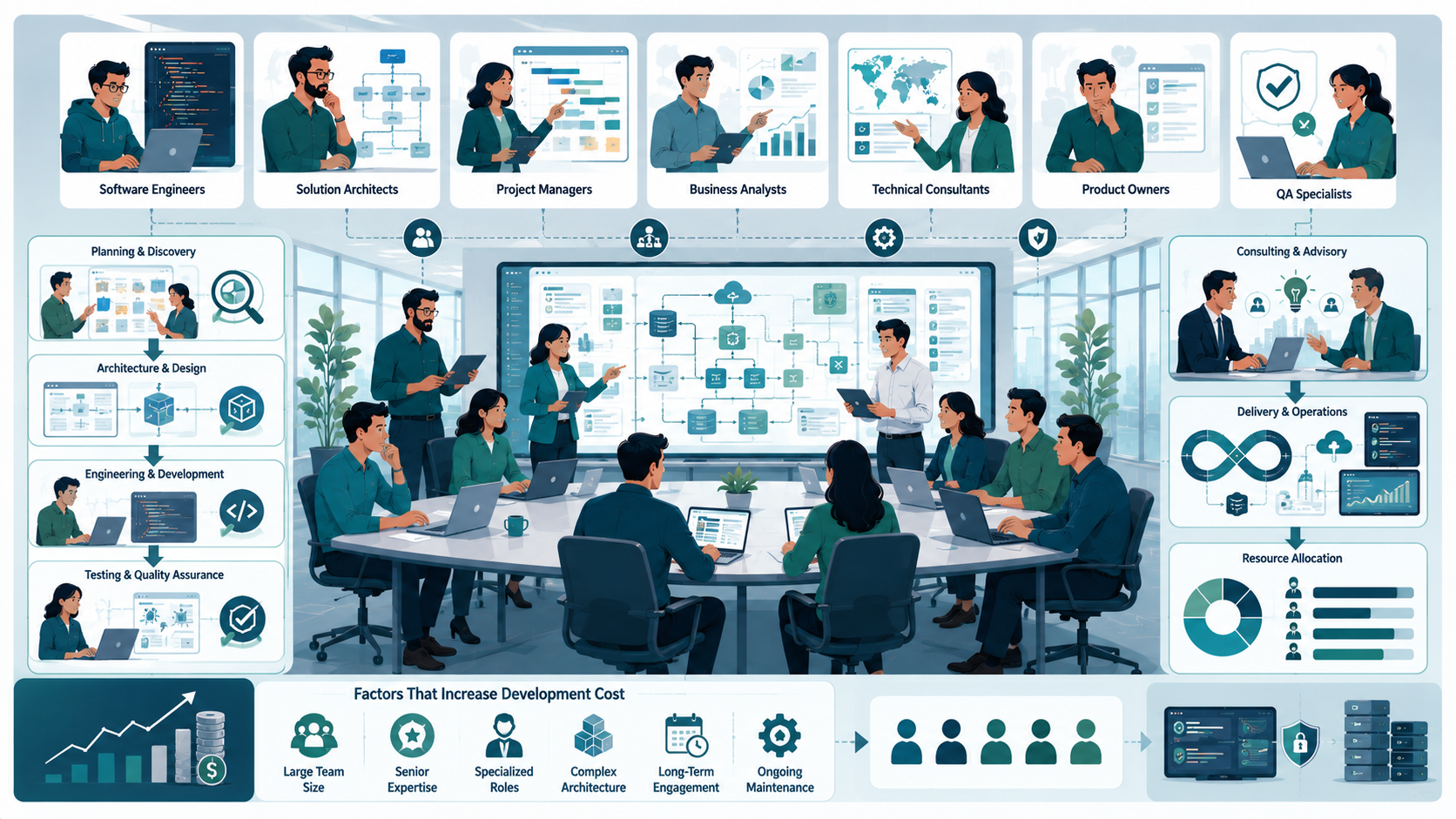
Enterprise software projects require collaboration among multiple specialists.
Typical teams include:
- Software engineers
- Project managers
- Solution architects
- Business analysts
- Technical consultants
- Product owners
- Quality assurance specialists
The size and expertise of the development team significantly affect project costs.
Larger projects often require greater development resources, increasing both capital and operational expenditures.
Infrastructure and Technology Expenses
Cloud Infrastructure
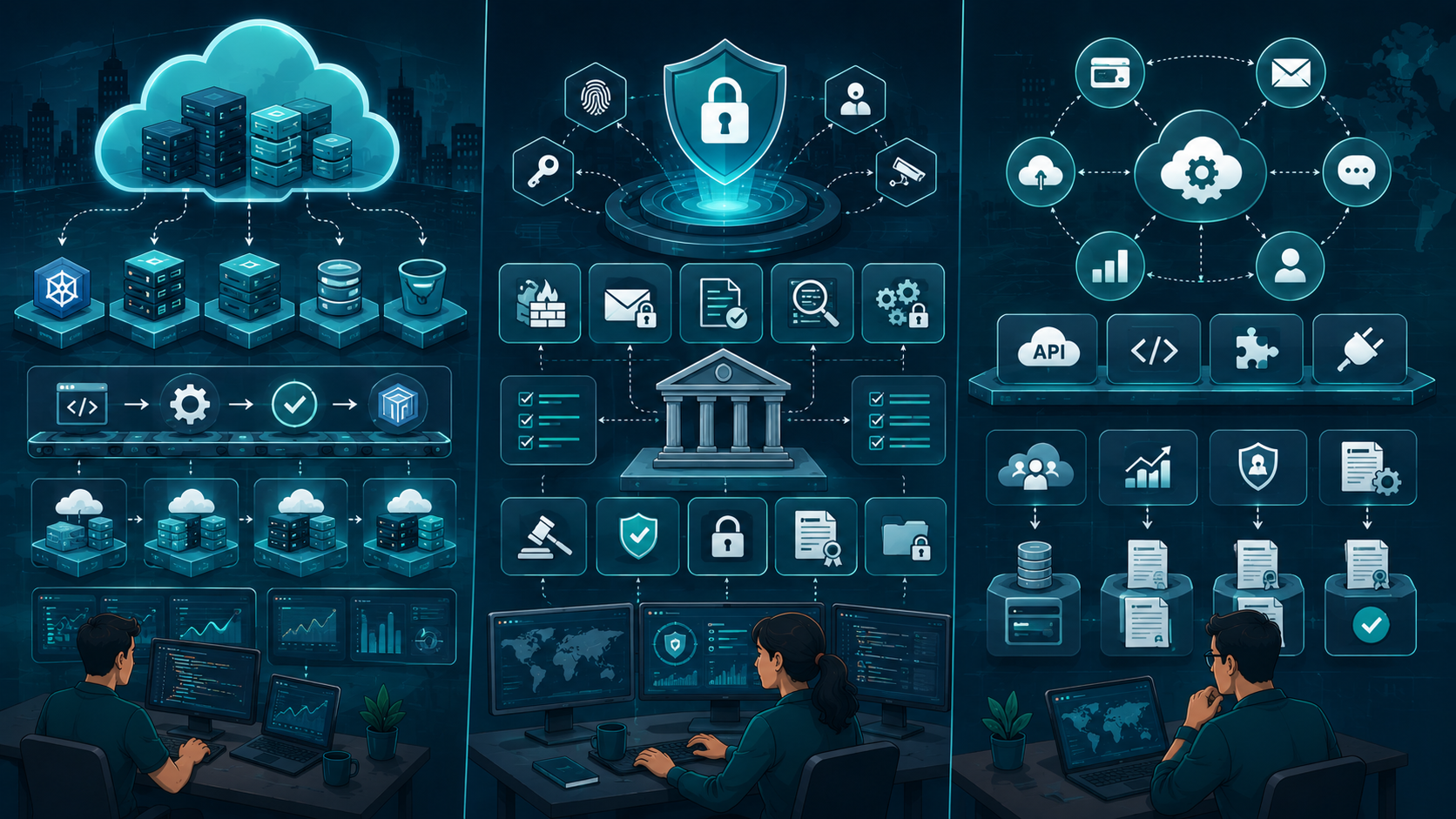
Cloud infrastructure has become a core component of modern enterprise software development. It enables businesses to scale resources efficiently, reduce hardware dependencies, and accelerate deployment processes. While cloud platforms offer flexibility and performance benefits, ongoing hosting and infrastructure costs should be considered in the overall budget.
Cloud-based environments offer:
- Flexibility
- Scalability
- Reduced hardware investment
- Faster deployment cycles
However, infrastructure expenses remain an important component of operational expenditure.
Security and Compliance
Security and compliance are critical requirements for enterprise applications that manage sensitive business and customer data. Organizations must implement robust cybersecurity measures, data protection policies, and regulatory controls. These investments help minimize risks, ensure compliance, and protect valuable digital assets.
As a result, organizations must invest in:
- Cybersecurity
- Data governance
- Regulatory compliance
- Security monitoring
Meeting compliance requirements and adhering to industry security standards can significantly increase project costs but are essential for protecting enterprise assets.
Third-Party Services and Licensing
Many enterprise applications rely on third-party tools and services to extend functionality and improve operational efficiency. Common dependencies include APIs, SaaS platforms, analytics solutions, and authentication providers. Licensing fees and subscription costs for these services should be factored into the total software development budget.
Many enterprise solutions depend on:
- External APIs
- SaaS integrations
- Analytics platforms
- Authentication systems
Associated third-party services and licensing fees should be included in overall cost calculations.

Cost Optimization Strategies
Managing enterprise software costs requires proactive planning and execution.
Improve Resource Allocation
Effective resource allocation helps organizations maximize productivity by directing time, budget, and talent toward the most valuable initiatives. Prioritizing essential features and business-critical processes ensures development efforts align with strategic objectives. This approach reduces waste and improves overall project efficiency.
Organizations should prioritize:
- Core functionality
- Business-critical workflows
- Revenue-generating capabilities
Reduce Technical Debt
Technical debt can accumulate over time and lead to increased maintenance costs, slower development cycles, and system inefficiencies. Regular code reviews, refactoring, and architectural improvements help maintain software quality and performance. Proactively addressing technical debt supports long-term scalability and stability.
Investing in:
- Code quality
- Architecture reviews
- Refactoring
- Continuous improvement
helps maintain long-term system health.
Adopt DevOps and Automation
DevOps and automation streamline software development by improving collaboration between development and operations teams. Automated workflows accelerate deployments, reduce manual errors, and enhance system reliability. These practices help organizations deliver software faster while lowering operational and maintenance costs.
Benefits include:
- Faster releases
- Reduced errors
- Improved collaboration
- Lower maintenance costs

Measuring Return on Investment
Enterprise software should be evaluated based on business outcomes rather than development costs alone.
Organizations often achieve measurable gains through:
- Increased productivity
- Enhanced efficiency
- Improved workflow management
- Better operational performance
- Greater enterprise agility
Additional benefits include:
- Stronger competitive advantage
- Accelerated business growth
- Higher revenue opportunities
- Improved customer experiences
- Long-term operational improvements
Calculating return on investment helps organizations determine whether software initiatives are delivering expected value.
Understanding Total Cost of Ownership
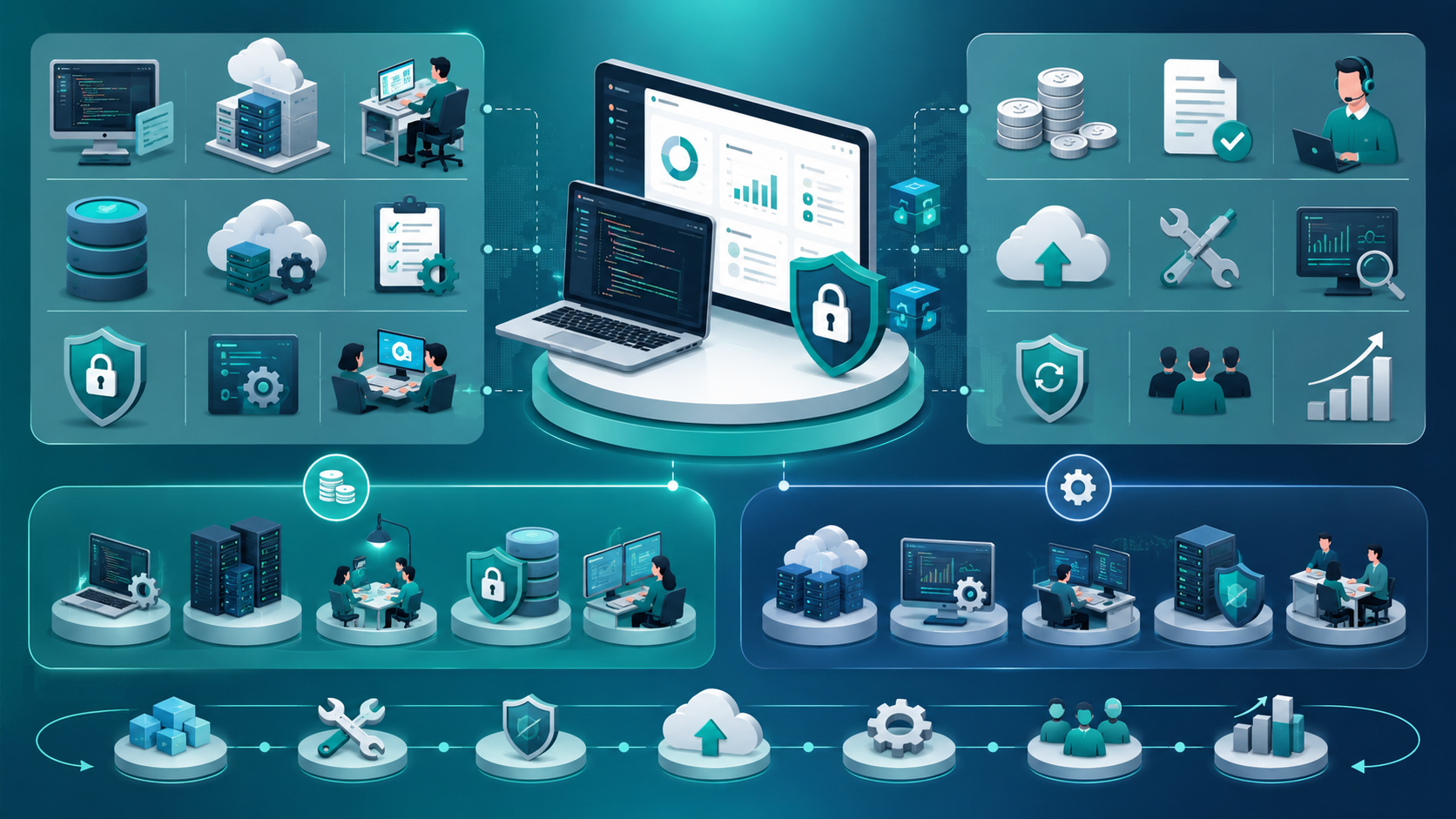
Many businesses focus only on development expenses, but the total cost of ownership includes:
- Initial development costs
- Infrastructure expenses
- Ongoing maintenance
- Licensing fees
- Security updates
- Future enhancements
- Team support costs
Separating capital expenditure from operational expenditure provides a clearer picture of long-term financial commitments.

Future Trends Impacting Enterprise Software Costs
Several emerging technologies continue to shape enterprise development investments.
These include:
- Advanced artificial intelligence
- Predictive machine learning
- Enhanced system interoperability
- Modern platform engineering
- Intelligent automation solutions
As organizations pursue large-scale digital transformation, demand for sophisticated enterprise software will continue to grow.
Conclusion
The enterprise software development cost in USA depends on numerous factors, including project scope, complexity, technology choices, team structure, security requirements, and infrastructure needs.
Organizations that invest in scalable enterprise infrastructure, prioritize effective strategic planning, and focus on cost optimization can maximize long-term value from their software investments.
While enterprise software development requires substantial investment, the resulting improvements in business operations, process optimization, operational scalability, and revenue generation often create significant long-term returns.
By understanding the complete development lifecycle and associated costs, businesses can make informed decisions that support sustainable growth and long-term success.
Enterprise Software Development Cost In USA: FAQs
Enterprise software development typically costs between $50,000 and $2 million+, depending on project complexity, features, integrations, and business requirements.
Costs are affected by project scope, development timeline, technology stack, team size, security requirements, and infrastructure needs.
Most enterprise software projects take between 3 and 24 months, depending on functionality, customization, and deployment requirements.
Custom solutions require specialized engineering, scalable architecture, security compliance, and integrations tailored to unique business operations.
Businesses should budget for maintenance, cloud hosting, security updates, technical support, and future software enhancements.
Reference
Written by

Paras Dabhi
VerifiedFull-Stack Developer (Python/Django, React, Node.js)
I build scalable web apps and SaaS products with Django REST, React/Next.js, and Node.js — clean architecture, performance, and production-ready delivery.
LinkedIn