Software API Integration Cost in India | Pricing Guide 2026
The integration looked simple in sprint planning: 6 endpoints, one webhook, OAuth, and a nightly CRM sync.
Then production went live.
The payment callback payload didn’t match the sandbox, duplicate webhooks started creating double invoices, and token refresh failed every few hours because the vendor rotated secrets differently in live mode.
I’ve seen small teams in India burn half their backend budget not on building the integration, but on making it survive real production traffic.
Why Software API Integration Cost Increases In India
The biggest budgeting mistake is assuming integration cost is based on endpoint count. It rarely is.
In real backend delivery, workflow reliability drives cost far more than the number of APIs involved.
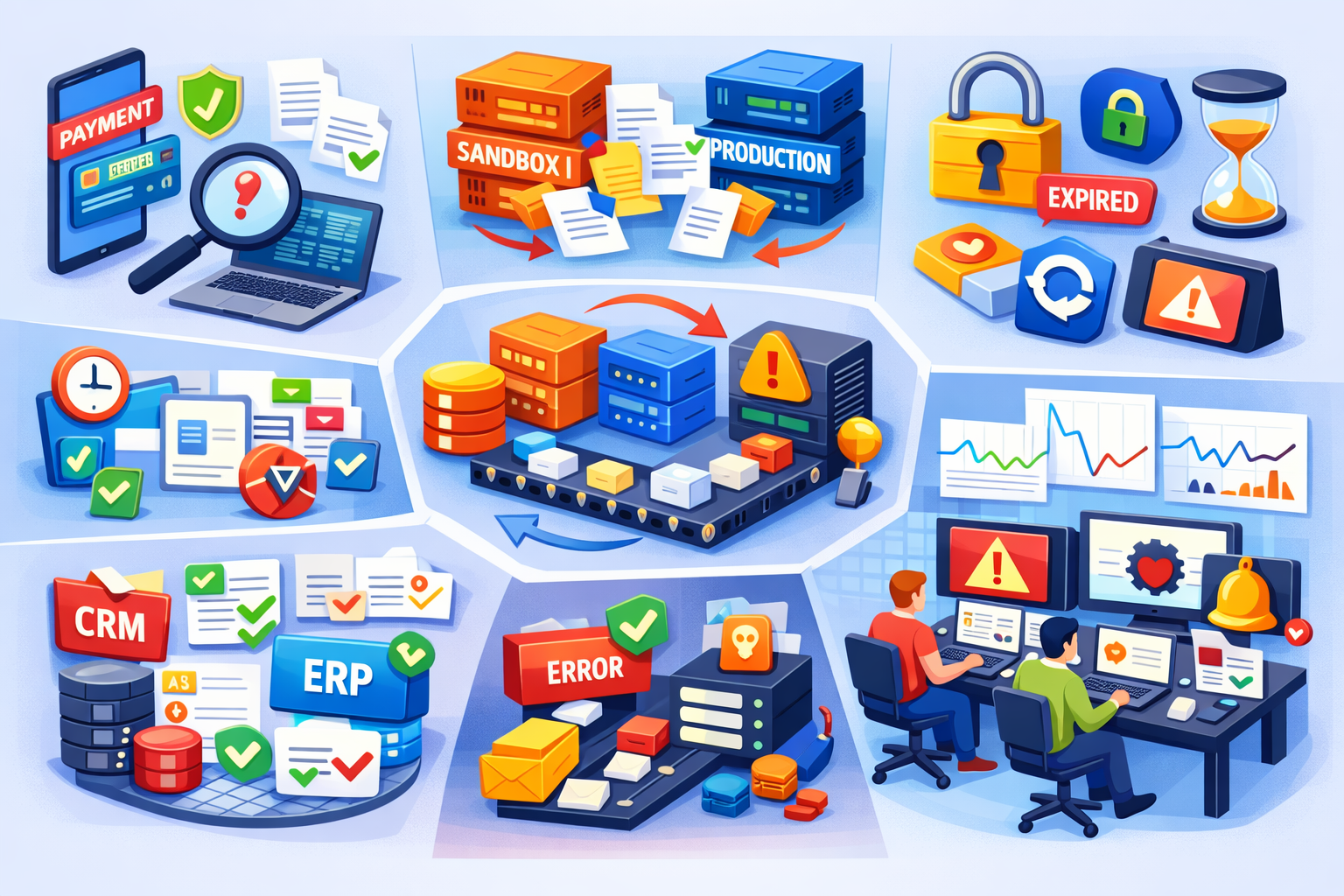
A payment gateway may expose 4 endpoints, but the actual engineering work includes callback validation, signature mismatch debugging, duplicate payment prevention, reconciliation jobs, retry safety, and ledger consistency. That hidden work is where the budget moves.
A common issue is sandbox vs production mismatch. Many vendors provide clean sandbox payloads with stable schemas, but production introduces optional fields, inconsistent timestamps, undocumented enums, or even missing IDs. Suddenly, your mapping logic needs normalization layers and fallback handling.
The second major cost driver is OAuth and token refresh edge cases. On paper, token refresh looks like a 2-hour task. In production, clock drift, vendor token invalidation, shared refresh token race conditions, and background worker expiry failures can create a week of debugging.
Then comes data transformation effort. CRM and ERP sync systems are rarely direct field-to-field copies. You end up handling:
- Enum mismatches
- Timezone normalization
- Partial record updates
- Stale data overwrite prevention
- Field-level validation rules
- Duplicate identity resolution
This mapping layer quietly becomes a large chunk of the total Software API Integration Cost in India.
Another hidden multiplier is queue and retry architecture. The moment an integration becomes business-critical—orders, invoices, lead sync, inventory—you need async job queues, exponential retries, dead-letter queues, replay tools, idempotency keys, and failure alerting, which is why DevOps Services often becomes essential for keeping integration workflows stable once real production traffic starts exposing failures.
That is infrastructure cost, developer time, and long-tail stabilization effort.
Finally, senior debugging time changes the budget significantly. A junior engineer can connect endpoints. A senior backend engineer is usually brought in when live traffic reveals race conditions, retry storms, or partial sync corruption. That escalation increases cost quickly.
Where Most Startups And Developers Estimate This Wrong
The most common mistake I’ve seen is estimating by endpoints instead of workflows.
A founder says: We only need 5 APIs connected.
But the real workflow is lead created → CRM sync → webhook callback → retry failed jobs → reconcile missing records → notify sales → prevent duplicate updates.
That is not 5 endpoints. That is a multi-state distributed workflow.
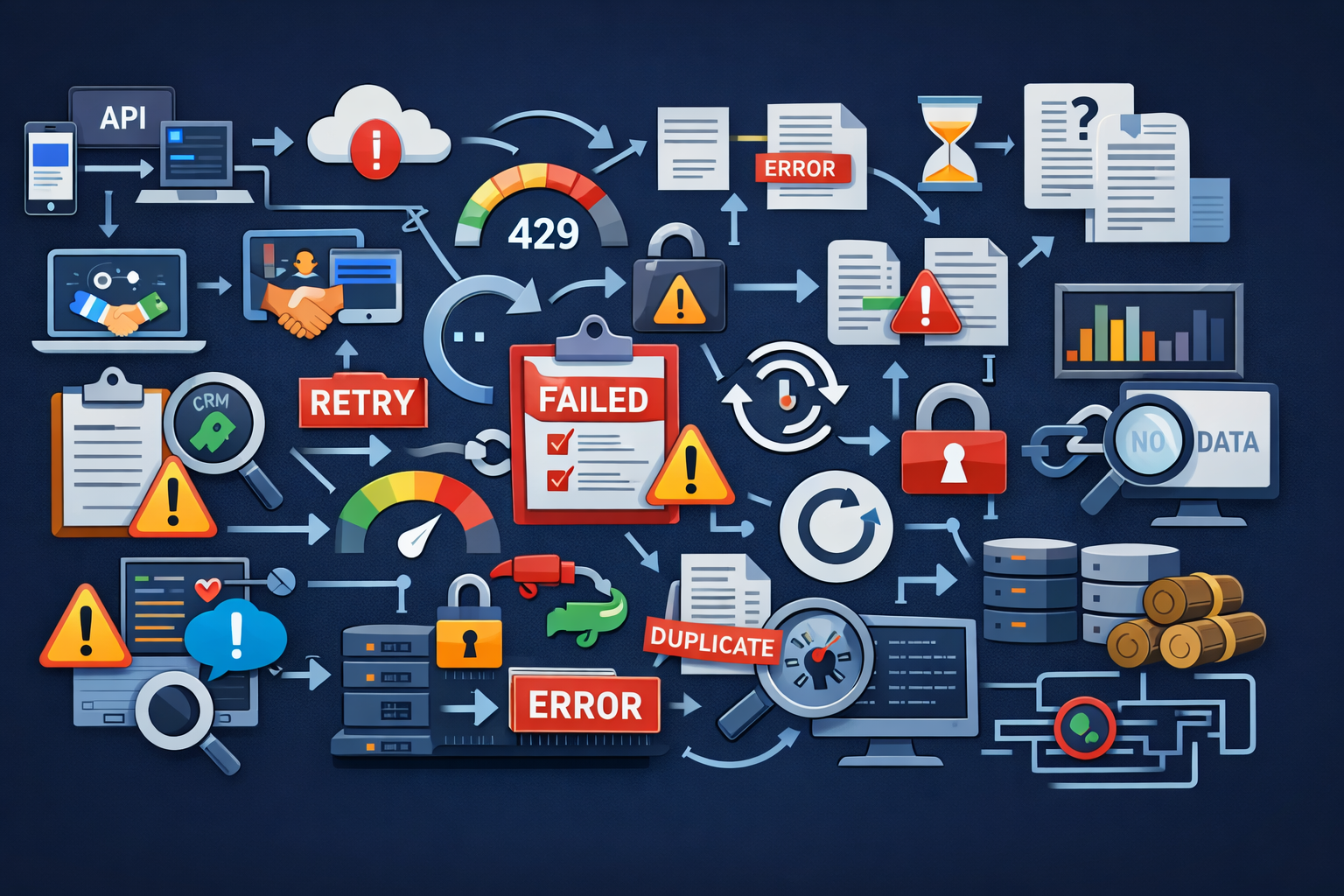
The second mistake is ignoring failure paths. Most initial estimates cover only the success case. They miss:
- Webhook timeout recovery
- Duplicate event suppression
- Invalid signature retries
- Vendor 429 rate limits
- Partial ERP sync rollback
- Replaying failed events safely
I’ve seen teams estimate 2 days for a webhook flow that later needed a 2-week stabilization sprint because duplicate callbacks were not idempotent.
Another serious budgeting miss is trusting third-party documentation too much. Vendor docs often lag behind production behavior.
Common examples include a field marked required but coming null, callback docs showing one payload version while live sends another, undocumented retry windows, and auth scopes behaving differently in production.
This uncertainty creates unplanned senior engineering effort.
Startups also forget monitoring and observability cost. Without raw payload logging and event tracing, every issue becomes manual reproduction work. That debugging tax compounds fast.
Practical Ways To Control API Integration Cost
The best way to reduce integration overruns is to estimate and build around workflow reliability.
Here’s what has worked consistently in small backend teams:
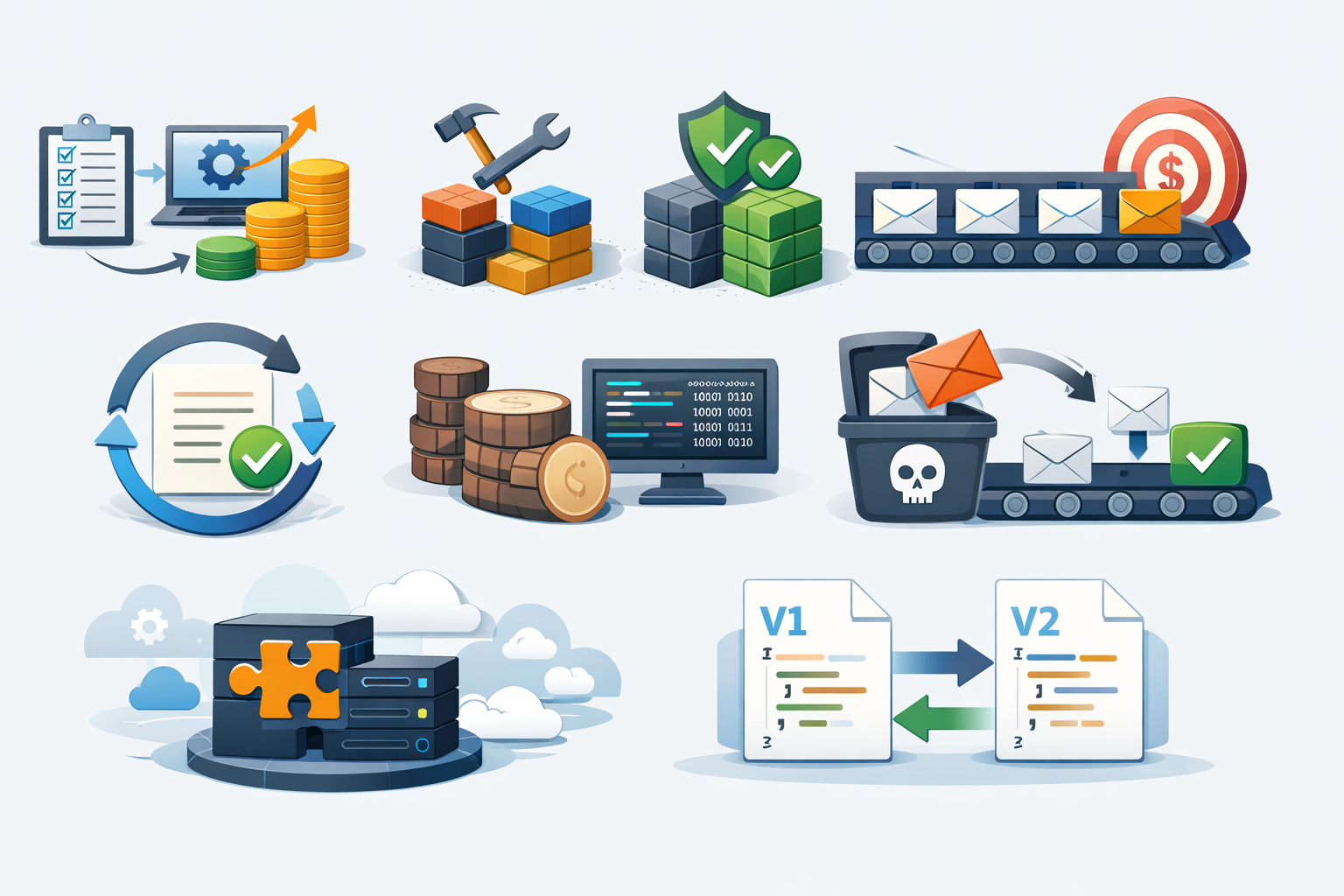
1. Estimate By Workflow Stage, Not Endpoint
The most accurate API budgeting starts by splitting work into execution layers, not endpoint count. Authentication, payload mapping, callback handling, retry logic, reconciliation, and monitoring each add separate engineering effort.
I’ve seen 5 endpoint estimates fail because the real complexity lived in failure recovery, not request creation.
2. Separate Stabilization From Build Cost
The first deployment is rarely the final cost. Live traffic exposes payload mismatches, retry storms, token refresh failures, and vendor-side inconsistencies that never appeared in sandbox.
Keeping 20–30% of the budget for post-launch stabilization prevents small teams from overrunning sprint capacity after go-live.
3. Use Async Queues For Business-Critical Flows
Critical workflows like payments, CRM sync, ERP updates, and webhooks should never rely on direct synchronous chains. Async queues protect the system from timeout failures, vendor latency, and sudden traffic spikes.
This design also makes retries and replay much safer during production incidents.
4. Make Retries Idempotent
Retries are unavoidable in real integrations because vendors resend callbacks and networks fail unpredictably. If retry logic is not idempotent, duplicate invoices, repeated lead creation, or double stock updates can happen.
A safe retry architecture ensures repeated events always produce the same final state.
5. Log Raw Payloads
Raw request and response payload logging is one of the biggest debugging cost savers in integration work. It helps teams compare vendor documentation against real production traffic and quickly isolate schema mismatches.
I’ve seen this reduce multi-day debugging issues to a few hours.
6. Add Dead-Letter Queue Recovery
Some failed events cannot be fixed by automatic retries alone. Dead-letter queues preserve these failed payloads in replayable storage so teams can inspect, patch, and safely reprocess them later.
Without this layer, important CRM, ERP, or payment events can silently disappear.
7. Isolate Vendor Adapters
Third-party APIs change more often than internal business logic. Keeping vendor-specific transformation, auth, and schema handling inside dedicated adapters prevents external changes from breaking core services.
This keeps future maintenance costs lower and makes upgrades far easier for small teams.
8. Version Payload Schemas
Vendors silently changing response fields, enums, or nested structures is more common than most founders expect. Schema versioning protects downstream services and consumers from sudden breaking changes.
It also makes rollback and compatibility testing much easier during staged releases.
These practices reduce both webhook development cost in India and long-term maintenance cost.
When Fixed-Price API Integration Estimation Fails
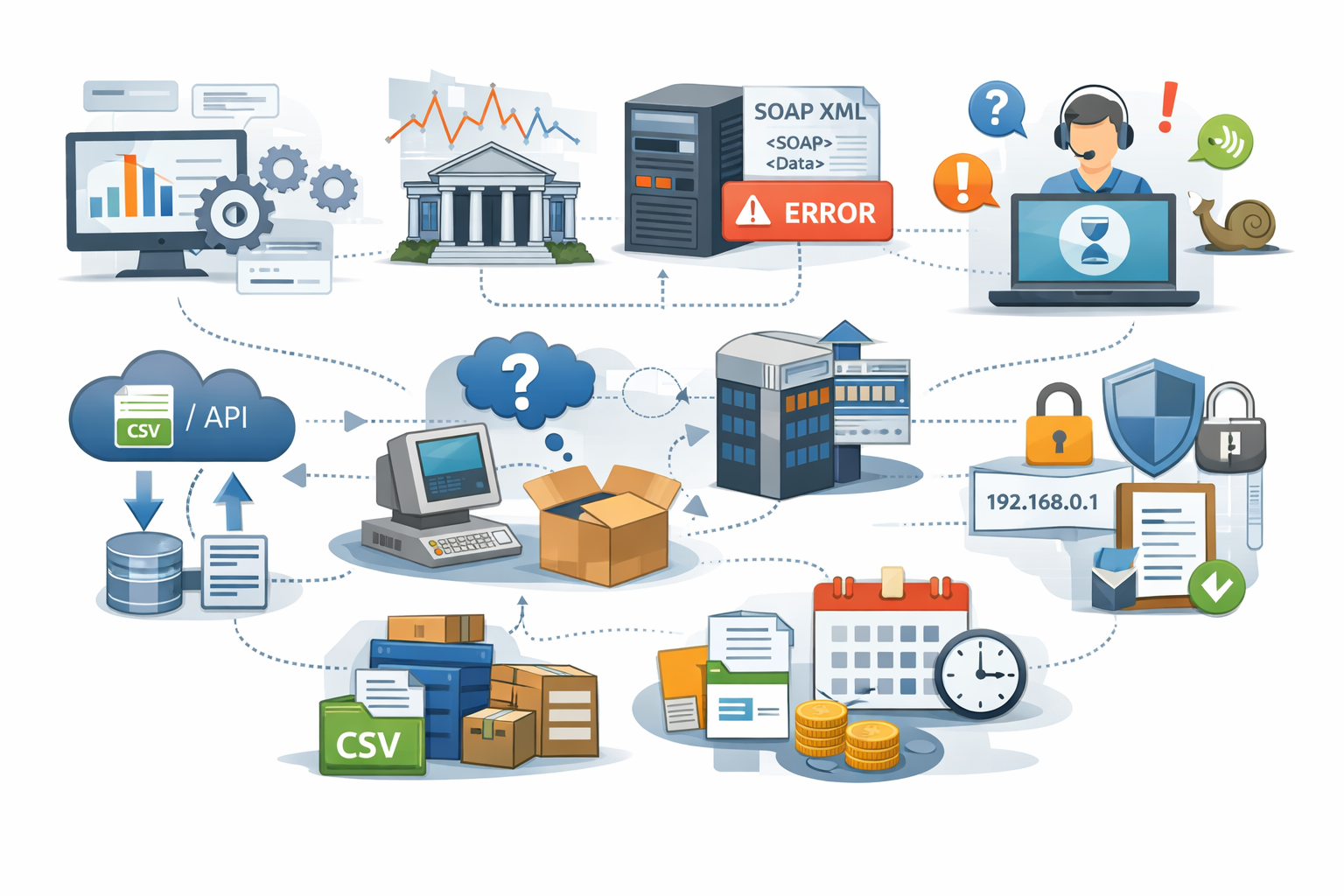
Fixed-cost integration projects usually fail when the external system itself is unstable.
The worst examples are:
- ERP systems with custom field logic
- Government APIs with inconsistent uptime
- Legacy SOAP/XML bridges
- Partner APIs with slow support
- Hybrid CSV + API workflows
- Undocumented legacy warehouse systems
In these cases, the unknowns are not inside your codebase. They live in someone else’s infrastructure.
A fixed-price estimate assumes predictable behavior.
But if the vendor changes payload structure, auth headers, callback frequency, IP allowlisting rules, or schema versions, your original estimate becomes fiction.
For these projects, hourly billing or milestone-based estimation works better than fixed scope.
It keeps engineering decisions honest and avoids cutting reliability work just to stay inside budget.
Best Practices For Small Teams In India
For small backend teams, future debugging cost matters more than first-release speed.
The most effective practices are:
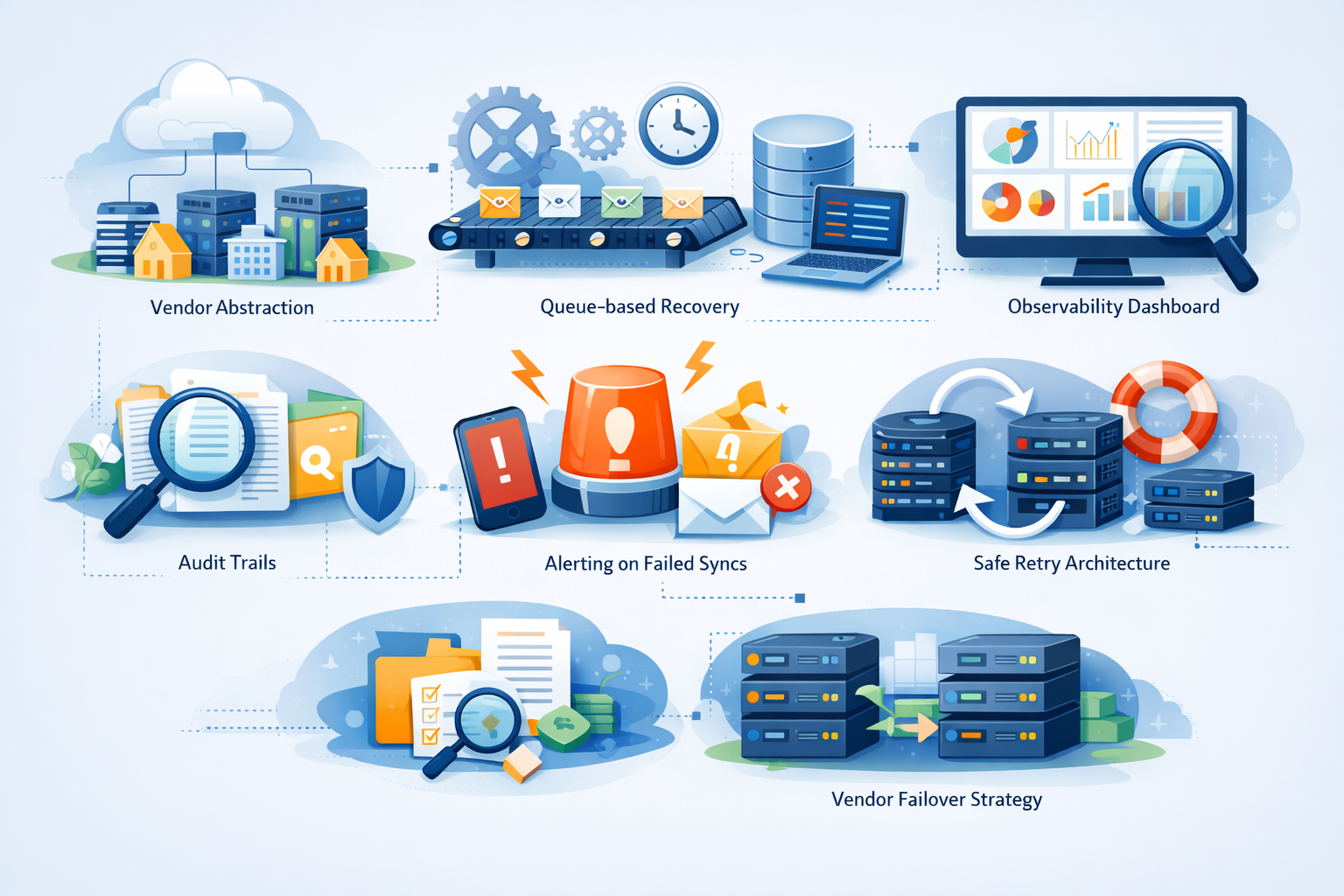
1. Vendor Abstraction Layers
Third-party APIs should never directly shape your core business services. In practice, many companies work with an expert software development company in India to keep vendor-specific auth, payload transformation, and response handling inside abstraction layers, which makes future API changes easier to manage.
This reduces refactoring effort when vendors update endpoints, schemas, or authentication rules.
2. Queue-Based Recovery
Every failed sync event should be recoverable without manual database fixes. A queue-based recovery model allows teams to replay missed CRM, ERP, or payment events safely after the root issue is resolved.
This dramatically reduces data loss risk in production workflows.
3. Schema Versioning
Vendor payloads change more often than documentation suggests, especially in ERP and SaaS systems. Schema versioning protects downstream consumers from sudden field changes and gives teams backward compatibility during rollout.
It also makes staged migration safer for long-running sync jobs.
4. Observability Dashboards
Without visibility, integration bugs become expensive to trace. Dashboards should track sync latency, queue lag, failed jobs, retry counts, and callback error rates in one place.
This helps small teams identify production issues before they affect customer-facing workflows.
5. Payload Audit Trails
For high-value flows like payments, invoices, or CRM lead sync, request-response history is critical. Payload audit trails make it easy to verify what the vendor actually sent versus what your system processed.
This shortens debugging cycles and supports safer incident recovery.
6. Alerting On Failed Syncs
Broken syncs should trigger alerts before business teams notice missing data. Automated notifications on failed jobs, webhook rejection, or retry exhaustion help engineering teams respond faster.
This is especially important for lead pipelines, payment updates, and inventory systems.
7. Safe Retry Architecture
Retries are necessary, but unsafe retries can create duplicate invoices, repeated orders, or duplicate CRM leads. A safe retry architecture combines idempotency checks, replay protection, and state validation before reprocessing.
This keeps data consistency intact even during vendor instability.
8. Vendor Failover Strategy
In payment gateways, SMS providers, and notification systems, vendor downtime directly affects business continuity. A failover strategy allows traffic to move to a secondary provider when the primary service fails.
This reduces operational risk and keeps critical workflows running.
These patterns reduce future CRM ERP integration budget in India because debugging becomes operationally cheaper.
Conclusion
The real lesson behind Software API Integration Cost in India is that the budget is rarely driven by the number of endpoints alone. In real-world backend delivery, the larger cost comes from reliability engineering, failure recovery, and the production stabilization work that starts after launch.
Most integration overruns happen when live traffic exposes payload inconsistencies, duplicate webhook behavior, token refresh failures, rate limits, or broken sync recovery paths that were never visible during development. This is where debugging time, queue recovery, and observability begin to consume senior engineering effort.
For small teams, the smartest budgeting approach is to estimate by workflow complexity, failure scenarios, and post-launch stabilization effort, not just API count. Teams that plan for retries, reconciliation, monitoring, and vendor-side uncertainty make better technical decisions and avoid the budget shocks that usually happen after go-live.
Software Api Integration Cost In India: FAQs
For startup-grade integrations, cost usually depends on workflow complexity, retries, auth, and stabilization. Simple flows may stay lean, but CRM/ERP sync systems grow quickly.
Because duplicate delivery, timeout retries, idempotency, and event replay tooling are often ignored in initial estimates.
Post-launch debugging, payload logging, reconciliation jobs, alerting, queue retries, and schema transformation are the most commonly missed costs.
Only when the vendor API is stable and well-documented. For ERP, government, or legacy systems, milestone or hourly pricing is safer.
A practical rule is 20–30% of the initial integration budget for stabilization, monitoring, and live payload fixes.
References
Written by

Paras Dabhi
VerifiedFull-Stack Developer (Python/Django, React, Node.js)
I build scalable web apps and SaaS products with Django REST, React/Next.js, and Node.js — clean architecture, performance, and production-ready delivery.
LinkedIn