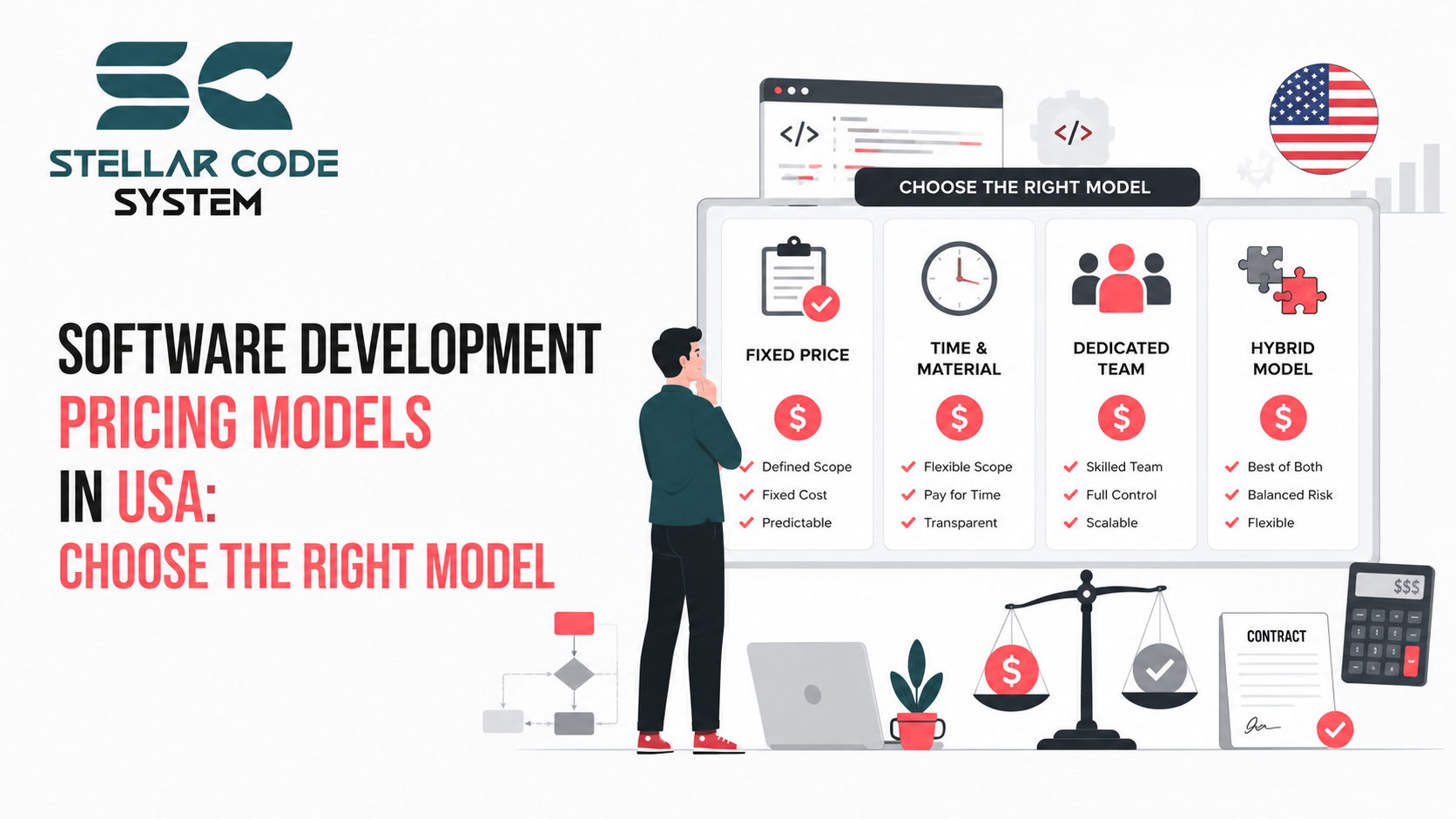
Software Development Pricing Models in USA: Choose the Right Model
One of the most expensive mistakes I see in software projects isn't choosing the wrong technology stack or hiring the wrong engineers. It's choosing the wrong pricing model before a single line of code is written.
I've worked with startup founders launching their first SaaS product, product teams expanding existing platforms, and enterprise organizations modernizing legacy systems. The technical challenges were different in every project, but one issue showed up repeatedly: the original contract didn't match the reality of how the project evolved. What looked like a reasonable budget during planning quickly became difficult to control once requirements changed, new integrations appeared, or timelines shifted.
Many teams assume software pricing is simply about finding the lowest cost or comparing hourly rates between vendors. In practice, the pricing model influences almost every aspect of a project. It affects how engineering teams collaborate, how quickly decisions are made, how changes are handled, how resources are allocated, and ultimately whether the project delivers real value.
This becomes even more important in the United States, where software projects often involve distributed engineering teams, external partners, cloud infrastructure, compliance requirements, and continuous product development. A pricing structure that works well for a small MVP may become inefficient once the product grows into a multi-team platform.
The good news is that there isn't a universally "best" pricing model. There are only models that fit specific types of projects better than others. Understanding the trade-offs early can prevent unnecessary spending, reduce project risk, and create a healthier relationship between clients and development teams.
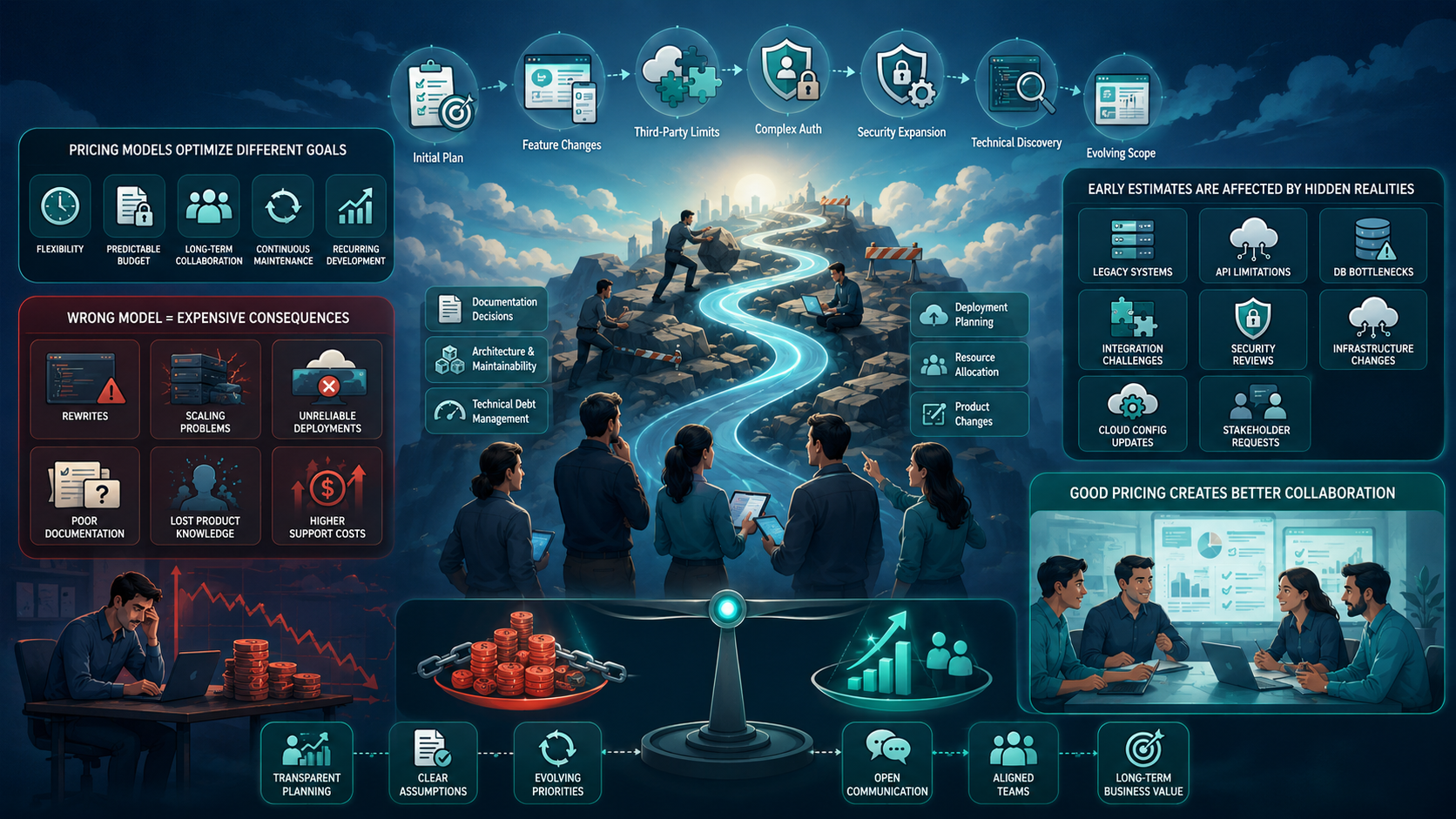
Why Choosing the Wrong Pricing Model Costs More Than Most Companies Expect
From the outside, software pricing appears straightforward. A client requests a quotation, receives a proposal, signs a contract, and development begins.
Reality is rarely that simple.
Software projects evolve constantly. Product ideas mature, customer feedback changes priorities, new compliance requirements emerge, and technical discoveries reshape the original scope. Every one of these changes affects both engineering effort and project economics.
I've seen projects where the initial estimate looked accurate, yet the chosen engagement model created problems only a few months later.
For example, a startup building its first SaaS platform selected a strict fixed-price agreement because the founders wanted predictable spending. At first, the decision seemed sensible.
Three months later they discovered:
- Customer interviews changed several core features.
- Third-party API limitations required additional backend work.
- Authentication workflows became more complex.
- Security requirements expanded before launch.
None of these changes represented poor engineering. They were normal product discoveries.
The challenge was that the pricing agreement assumed the original deliverables would remain stable throughout development.
Every requested change required additional negotiations.
Every modification affected billing.
Every discussion delayed development.
Instead of helping the project move faster, the pricing model slowed decision-making.
Pricing Models Shape Engineering Decisions
Many people think pricing only affects finance teams.
In reality, pricing influences engineering behavior every day.
For example:
- How much documentation the team produces
- How architecture decisions are evaluated
- Whether developers optimize for long-term maintainability
- How quickly technical debt is addressed
- How product changes are accepted
- How deployment schedules are planned
I've worked with engineering teams that spent more time discussing change requests than writing code because their contract encouraged minimizing every additional task.
I've also worked on projects where a well-designed engagement model allowed developers to solve problems without repeatedly renegotiating the project.
The difference wasn't developer skill.
It was the structure behind the project.
Why Early Estimates Are Rarely Perfect
One misconception I hear frequently is:
"Can't experienced developers estimate software accurately?"
Experienced engineers can absolutely improve estimation accuracy.
But software isn't manufacturing.
Every project contains unknowns.
Examples include:
- Legacy systems with incomplete documentation
- Unexpected API limitations
- Database performance issues
- Integration challenges
- Security reviews
- Infrastructure changes
- Cloud configuration updates
- New stakeholder requests
Until engineers begin implementation, many of these variables remain hidden.
That's why software estimates should always be treated as informed forecasts rather than guarantees.
The more uncertainty a project contains, the more carefully its pricing model should be selected.
Every Pricing Model Optimizes for Something Different
One lesson I've learned over the years is that every pricing model rewards different behavior.
An hourly engagement prioritizes flexibility.
A fixed-price agreement prioritizes predictable budgeting.
A dedicated team model focuses on long-term collaboration.
A retainer works well for continuous improvements and ongoing maintenance.
A subscription approach can simplify recurring product development for organizations with steady release cycles.
None of these options is inherently better.
The challenge begins when companies optimize for the wrong objective.
For example:
- A startup trying to discover product-market fit usually benefits from flexibility because requirements change frequently.
- An enterprise replacing a well-defined internal reporting system may value predictable costs over rapid iteration.
Using the same pricing approach for both projects often creates unnecessary friction.
Budget Pressure Often Leads to Expensive Decisions
Ironically, companies trying hardest to reduce investment often create larger expenses later.
I've seen organizations reject experienced engineering teams because another proposal looked cheaper on paper.
Months later they discovered:
- Features required complete rewrites.
- Architecture couldn't support scaling.
- Deployment pipelines became unreliable.
- Documentation was incomplete.
- Product knowledge disappeared when developers left.
- Support requests increased after launch.
The original savings disappeared quickly.
Software pricing should never be evaluated only by hourly rates.
The better question is:
"Which engagement model gives us the highest return while keeping technical and operational risk manageable?"
That question shifts the conversation from immediate affordability to long-term ROI.
Good Pricing Creates Better Collaboration
One benefit that's often overlooked is how pricing affects communication.
Healthy engineering projects depend on transparency.
Clients should understand:
- What work is included
- What assumptions were made
- How changes affect timelines
- Where technical uncertainty exists
- How priorities may evolve
When expectations are clear, engineering teams spend less time defending estimates and more time solving problems.
I've found that the most successful projects aren't necessarily those with the lowest cost—they're the ones where pricing, planning, and technical execution stay aligned throughout development.
That alignment improves productivity, strengthens collaboration, and allows teams to focus on delivering high-quality software instead of constantly renegotiating project boundaries.
Read More:
AI Software Development Company In USA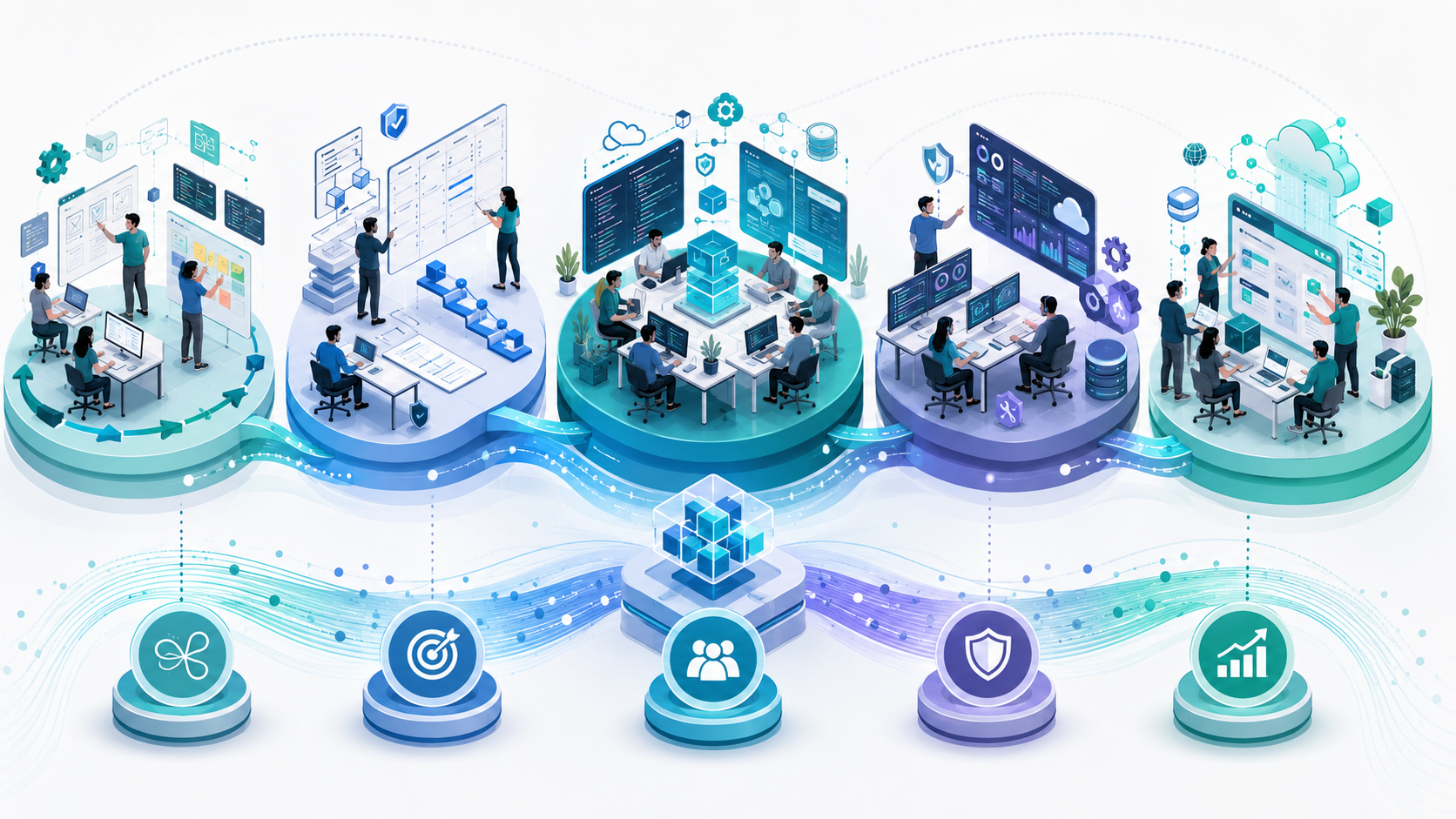
Understanding the Five Software Development Pricing Models Used in the USA
After working on projects for startups, SaaS companies, and enterprise organizations, I've stopped asking, "Which pricing model is the best?"
The better question is:
"Which pricing model matches the level of uncertainty in this project?"
Every software project begins with assumptions. Some assumptions prove correct, while others change after the first customer demo, the first integration, or the first production release.
That's why pricing should support the way a product evolves—not restrict it.
Below are the five pricing models I encounter most often in the United States and where each one performs well in real engineering projects.
1. Hourly Pricing Model
The hourly pricing model charges clients based on the actual time engineers spend working on the project.
It remains one of the most flexible engagement models because work can expand or contract as requirements change.
Best Suited For
- Early-stage startups
- MVP development
- Product discovery
- Legacy system modernization
- API integrations
- Research and experimentation
- Projects with evolving requirements
Advantages
- Easy to adjust changing priorities
- No need to redefine the entire contract after every feature request
- Better flexibility during discovery phases
- Encourages continuous collaboration between engineering and product teams
Challenges
Without clear planning, hourly projects can gradually exceed the original budget.
This doesn't necessarily happen because developers work inefficiently. More often, it happens because every new feature increases the overall scope.
I've seen founders request "one small improvement" every week. Six months later, those small improvements represented several hundred additional engineering hours.
The lesson isn't to avoid hourly pricing.
It's to pair it with:
- Weekly planning
- Transparent progress reporting
- Regular budget reviews
- Clear priority management
Hourly pricing works best when everyone understands exactly where development time is being invested.
2. Fixed-Price Model
A fixed-price agreement defines project deliverables, timeline, and total project cost before development begins.
Many organizations choose this model because predictable spending makes financial planning easier.
When project requirements remain stable, fixed-price contracts can work extremely well.
Best Suited For
- Well-defined internal systems
- Government projects
- Compliance-driven applications
- Corporate portals
- Migration projects with limited unknowns
Advantages
- Predictable overall cost
- Easier procurement approval
- Simplified financial forecasting
- Lower short-term budgeting uncertainty
Challenges
The biggest misconception is that fixed-price means fixed effort.
Engineering rarely works that way.
If the original proposal misses an important requirement, someone eventually absorbs that cost.
Sometimes it's the client.
Sometimes it's the development company.
Sometimes the engineering team quietly reduces quality to stay within budget.
None of those outcomes are ideal.
I've participated in projects where a simple authentication change triggered multiple contract revisions because it wasn't included in the original requirements.
The engineering challenge wasn't writing the code.
It was updating paperwork before development could continue.
That's why successful fixed-price projects require exceptionally detailed:
- Requirements
- Architecture planning
- Technical estimation
- Acceptance criteria
- Documentation
The more uncertainty exists, the harder fixed-price becomes.
3. Dedicated Team Model
The dedicated team model provides a long-term engineering team that works almost like an internal department.
Instead of purchasing individual features, companies invest in consistent engineering capacity.
For growing SaaS products, this has become one of my preferred engagement models.
The reason is simple.
Software doesn't stop changing after launch.
Features evolve.
Customer feedback arrives.
Infrastructure grows.
Security improves.
Performance optimization continues.
A dedicated team allows engineering decisions to build on previous work instead of restarting context every few months.
Best Suited For
- SaaS products
- Product companies
- Long-term platforms
- Enterprise software
- Continuous feature development
Advantages
- Strong product knowledge
- Stable engineering collaboration
- Faster decision-making
- Better architecture consistency
- Reduced onboarding time
Challenges
This model requires ongoing investment.
Companies pay for engineering availability rather than individual tasks.
For organizations with unpredictable workloads, maintaining a dedicated team may reduce affordability.
However, once products reach continuous development, the productivity gains often outweigh the additional expense.
4. Retainer Model
The retainer model reserves a fixed amount of engineering time each month.
Instead of funding large projects, companies secure continuous technical support.
Many organizations underestimate how valuable this becomes after deployment.
Software requires continuous attention.
Examples include:
- Bug fixes
- Security updates
- Performance optimization
- Infrastructure monitoring
- Minor feature improvements
- Third-party integration updates
- Technical consultation
Trying to negotiate a brand-new contract every time one of these tasks appears quickly becomes inefficient.
A retainer avoids that problem.
Best Suited For
- Existing SaaS platforms
- Internal business applications
- Maintenance contracts
- Long-term support
- Continuous optimization
Advantages
- Predictable monthly billing
- Faster response times
- Continuous engineering availability
- Reduced administrative overhead
Challenges
A retainer isn't ideal for organizations with very little ongoing work.
If engineering requests become infrequent, companies may end up paying for capacity they rarely use.
The model delivers the most value when software receives continuous improvements throughout the year.
5. Subscription-Based Development
Some software companies now offer engineering through a monthly subscription rather than traditional project contracts.
This model has become increasingly common for product teams that prefer predictable operational spending.
Instead of negotiating every project individually, organizations subscribe to recurring engineering services.
Typical work includes:
- Feature development
- UI improvements
- Backend enhancements
- Integration work
- Performance improvements
- Deployment assistance
- Product enhancements
Best Suited For
- Growing startups
- SaaS businesses
- Product companies
- Continuous delivery environments
Advantages
- Predictable monthly pricing
- Flexible prioritization
- Simplified resource allocation
- Continuous product evolution
Challenges
Subscription models require disciplined prioritization.
Engineering capacity remains limited.
Adding more work than the team can realistically deliver simply creates an expanding backlog.
The model succeeds when product managers continuously refine priorities rather than attempting to build everything simultaneously.

Comparing the Five Pricing Models
| Pricing Model | Flexibility | Budget Predictability | Best For | Primary Risk |
|---|---|---|---|---|
| Hourly | Very High | Medium | MVPs, evolving products, research | Budget expansion |
| Fixed-Price | Low | Very High | Clearly defined projects | Scope changes |
| Dedicated Team | High | High | SaaS products, long-term platforms | Ongoing investment |
| Retainer | Medium | High | Maintenance and support | Underused engineering capacity |
| Subscription | High | High | Continuous product development | Priority management |
No single model wins every comparison.
The right decision depends on:
- Project maturity
- Product complexity
- Engineering uncertainty
- Team size
- Timeline
- Business objectives
- Risk tolerance
Choosing the right engagement model is less about minimizing cost and more about aligning pricing with how software is actually built.
The Pattern I've Seen Across Successful Projects
Looking back across dozens of software projects, one pattern appears consistently. Working with a US software development team for flexible project delivery helps businesses choose an engagement model that matches requirement uncertainty, budget expectations, collaboration needs, resource planning, and long-term product development.
Projects that succeed usually don't begin with discussions about hourly rates.
They begin with conversations about:
- What is the real business objective?
- How stable are the requirements?
- How much customization is expected?
- How likely is the scope to evolve?
- What level of collaboration will the project require?
- How should resources be allocated over time?
- What level of transparency does the client expect throughout development?
Once those questions are answered honestly, selecting the appropriate pricing model becomes much easier.
The contract then supports the engineering process instead of creating unnecessary friction.
Where Most Companies Make the Wrong Pricing Decision
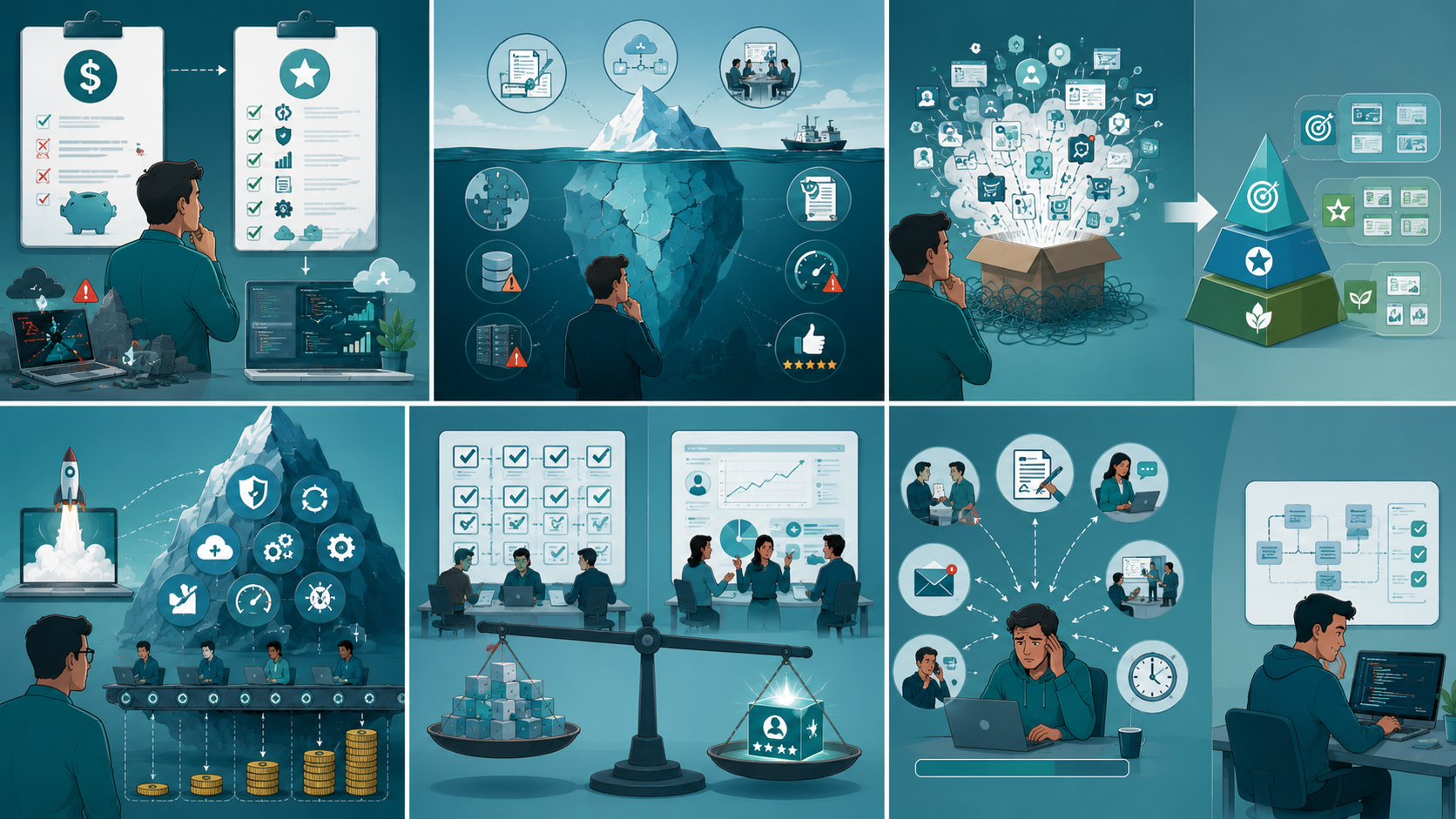
After reviewing dozens of software proposals over the years, I've noticed that pricing mistakes rarely happen because companies don't understand numbers.
They happen because people evaluate software projects like they would purchase finished products.
Software isn't a finished product.
It's an evolving engineering process.
The contract defines how that process is funded, how changes are managed, and how both sides respond when the unexpected happens.
The companies that struggle the most usually aren't the ones with the smallest budget.
They're the ones that optimize for the wrong metric.
Mistake #1: Choosing the Lowest Price Instead of the Best Value
Every company wants competitive pricing.
There's nothing wrong with comparing quotations.
The problem starts when the lowest cost becomes the only deciding factor.
I've seen proposals where one vendor estimated 700 engineering hours while another estimated 450 hours for the same project.
At first glance, the cheaper proposal looked like the obvious choice.
After development began, the differences became clear.
The lower estimate excluded:
- Documentation
- Automated testing
- Deployment planning
- Performance optimization
- Technical reviews
- Long-term maintenance
- Security hardening
Those activities didn't disappear.
They simply became additional work later.
By the end of the project, the total investment exceeded the original "expensive" proposal.
That's why I encourage founders to compare what they're actually receiving instead of only comparing hourly rates.
A proposal with greater transparency often provides better long-term ROI than one that simply looks inexpensive.
Mistake #2: Treating Estimation as a Guaranteed Promise
One question almost every client asks is:
"Can you guarantee this estimate?"
Experienced engineers can create reliable estimation, but software always contains uncertainty.
Some examples include:
- Third-party APIs changing unexpectedly
- Legacy systems lacking documentation
- Hidden database bottlenecks
- Infrastructure limitations
- New compliance requirements
- Product feedback changing priorities
No amount of engineering expertise removes these unknowns completely.
The best estimates are based on current information—not future discoveries.
That's why mature engineering teams explain:
- What assumptions were made
- Which estimates have the highest confidence
- Which areas carry technical risk
- Where additional investigation may be required
Clients usually appreciate honesty more than unrealistic certainty.
Mistake #3: Defining Scope Too Broadly
Another common issue is trying to include every future feature in the initial scope.
I've reviewed proposals that attempted to define hundreds of individual requirements before development even started.
Ironically, those projects usually changed the most.
Products evolve.
Markets change.
Customer expectations shift.
Trying to predict every future requirement often creates unnecessary complexity.
Instead, successful projects separate:
- Core deliverables
- Nice-to-have enhancements
- Future improvements
That approach allows engineering teams to deliver meaningful progress while leaving room for product evolution.
Mistake #4: Ignoring Long-Term Maintenance Costs
Many software budgets end at launch.
Engineering doesn't.
Every production application eventually requires:
- Security updates
- Library upgrades
- Infrastructure improvements
- Cloud optimization
- Performance tuning
- Bug fixes
- Feature refinements
- Ongoing support
I've seen organizations celebrate a successful launch only to realize they hadn't planned for the next twelve months.
Without continuous maintenance, even well-built software gradually becomes more expensive to operate.
Small technical issues accumulate until larger architectural changes become necessary.
A realistic pricing strategy should always include post-launch planning.
Mistake #5: Paying for Features Instead of Engineering Outcomes
One lesson I've learned is that software projects succeed when engineering teams solve problems—not when they simply complete task lists.
For example:
A client may request:
"Build a reporting dashboard."
But after technical consultation, the team might discover:
- Existing analytics already solve part of the problem.
- Only two reports are actually used.
- The remaining reports create unnecessary complexity.
The engineering outcome becomes:
- Lower development effort
- Faster deployment
- Lower maintenance costs
- Better usability
Good engineering challenges assumptions before writing code.
Pricing models should encourage those conversations rather than discourage them.
Mistake #6: Underestimating the Cost of Constant Context Switching
One hidden expense that rarely appears in proposals is context switching.
When engineering teams repeatedly stop development to renegotiate contracts, approve additional quotations, or redefine deliverables, productivity suffers.
I've seen projects lose entire weeks because developers were waiting for administrative approvals rather than solving technical problems.
Each interruption affects:
- Development velocity
- Team collaboration
- Resource allocation
- Release planning
- Engineering efficiency
Well-structured engagement models reduce these interruptions by defining clear processes for handling changes.
Hidden Costs That Most Software Proposals Don't Mention
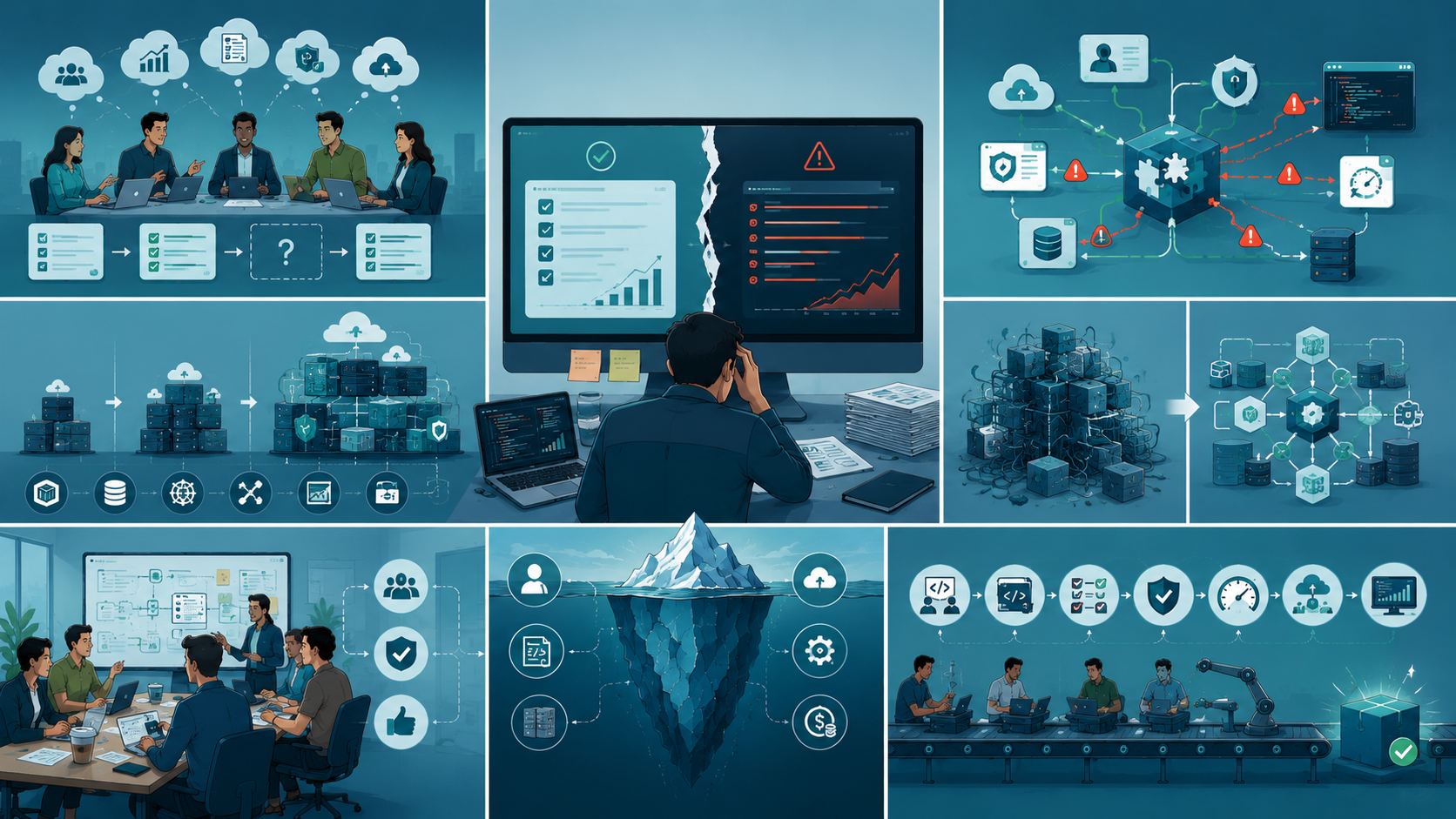
A proposal usually contains pricing, timelines, and deliverables.
What it often doesn't include are the operational costs that appear throughout development.
These hidden expenses can significantly influence the final project budget.
Requirements Continue to Evolve
Even well-planned software changes.
New customer feedback arrives.
Business priorities shift.
Compliance standards evolve.
Integration partners update their APIs.
Every change influences engineering effort.
Projects should assume controlled evolution instead of expecting perfect stability.
Integration Complexity
Third-party integrations often look simple during planning.
In practice, they introduce challenges such as:
- Authentication changes
- API rate limits
- Version incompatibility
- Data synchronization
- Error recovery
- Performance constraints
These issues frequently increase engineering effort beyond the original estimate.
Infrastructure Growth
Cloud infrastructure usually expands alongside the application.
As usage increases, engineering teams must optimize:
- Compute resources
- Storage
- Networking
- Deployment pipelines
- Monitoring
- Backup strategies
Infrastructure optimization is rarely finished after the first release.
Architecture Decisions Affect Future Costs
One shortcut today can become a major expense next year.
I've inherited projects where early architectural decisions made even simple changes unnecessarily difficult.
Examples included:
- Tight system coupling
- Poor database design
- Inconsistent APIs
- Limited documentation
- Manual deployment processes
None of these issues prevented the first release.
They simply increased every future engineering task.
Investing in maintainable architecture usually reduces overall project costs over time.
Collaboration Is an Engineering Investment
Many companies think collaboration is "non-billable."
I strongly disagree.
Productive discussions reduce expensive misunderstandings.
Regular planning meetings improve:
- Requirement clarity
- Timeline accuracy
- Feature prioritization
- Technical decision-making
Strong collaboration often prevents far more work than it creates.
Quality Is Never Free
One final hidden cost deserves special attention.
Software quality doesn't happen automatically.
Reliable applications require:
- Code reviews
- Automated testing
- Security validation
- Performance optimization
- Deployment verification
- Documentation
- Monitoring
When proposals omit these activities to appear cheaper, engineering teams usually pay for them later through production issues, customer complaints, or expensive emergency fixes.
Quality should never be viewed as an optional extra.
It's one of the most cost-effective investments any software project can make.

The Projects That Stay on Budget Usually Share One Characteristic
Looking back, the projects that remained closest to their original budget weren't the ones with perfect estimates.
They were the ones that openly discussed uncertainty from the beginning.
Clients understood where assumptions existed.
Engineering teams communicated progress consistently.
Changes were evaluated based on business value instead of emotion.
The pricing model supported continuous collaboration rather than creating friction whenever priorities changed.
That combination of realistic planning, transparent communication, and disciplined engineering almost always produced better outcomes than simply selecting the cheapest proposal.
How to Choose the Right Software Development Pricing Model Based on Your Project
By the time a company starts comparing pricing models, one important decision has usually already been made.
The product idea is clear.
The business problem is understood.
Now the challenge becomes selecting an engagement model that supports both the business goals and the engineering process.
I've seen companies spend weeks negotiating hourly rates while overlooking whether the pricing model actually matched the way the project would evolve.
That's usually where problems begin.
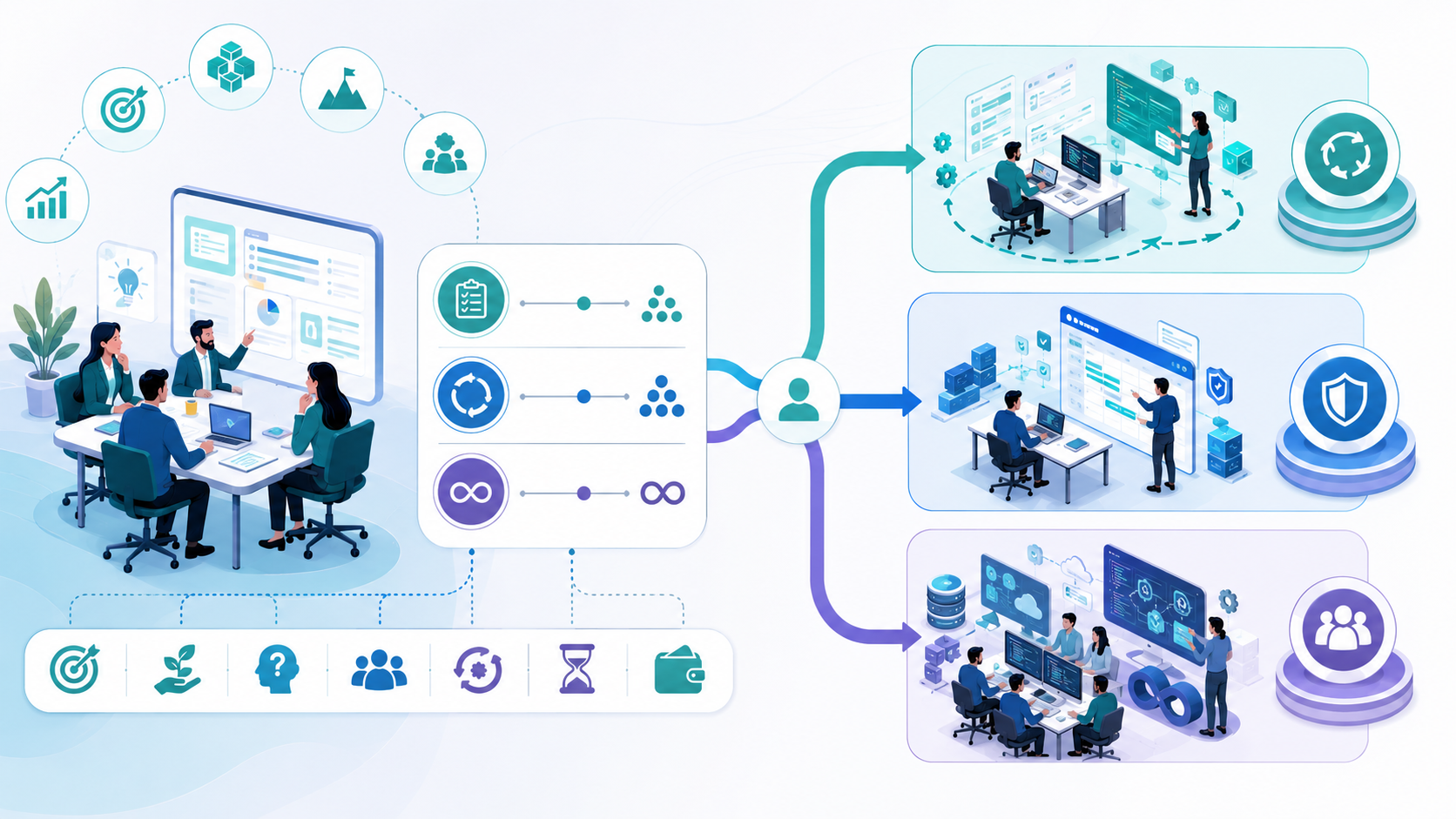
The right model depends less on company size and more on three questions:
- How stable are the project requirements?
- How often will priorities change?
- Is this a one-time project or an ongoing product?
Answering those questions honestly makes the decision much easier.
For Startups Building Their First Product
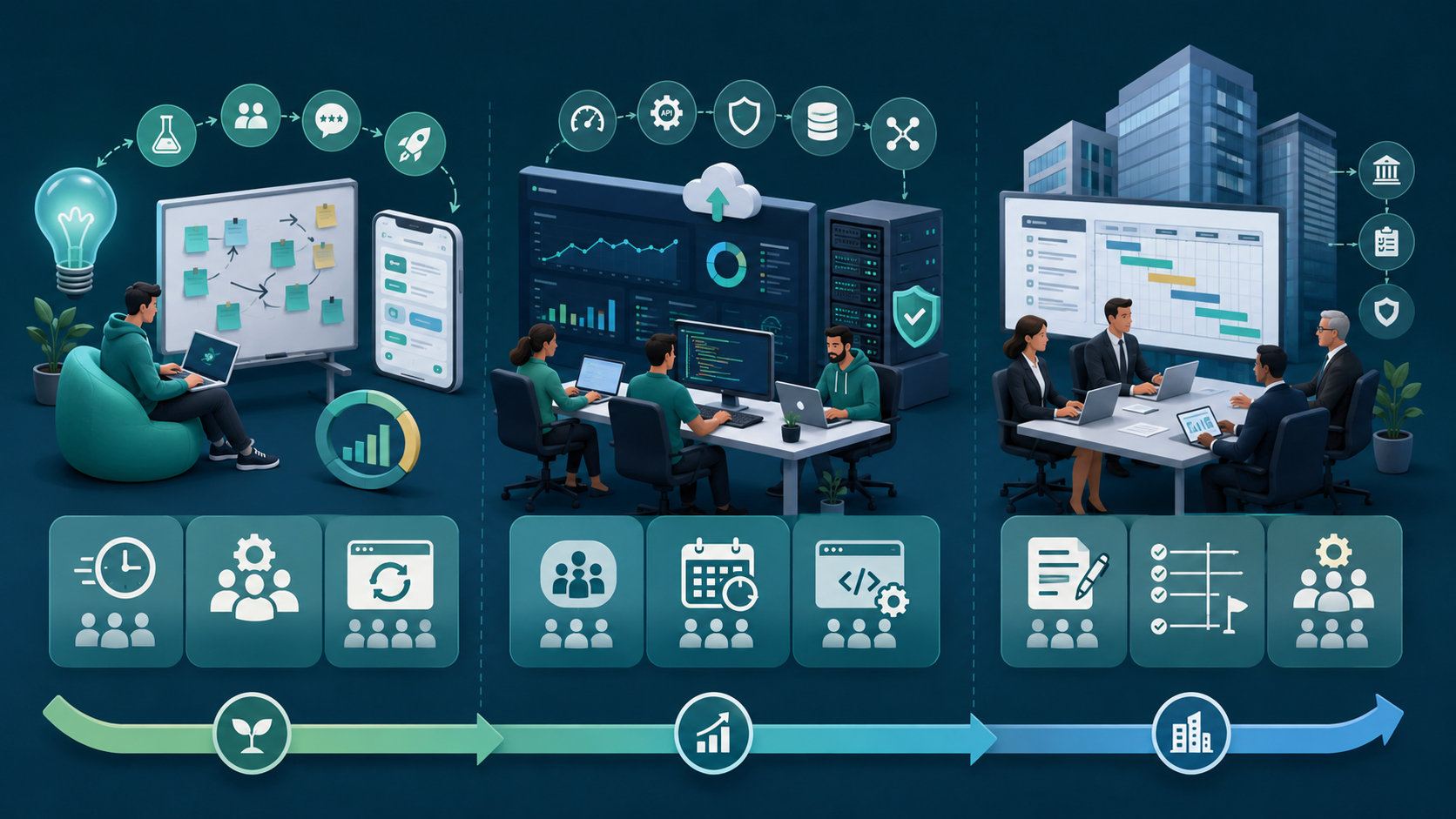
Early-stage startup teams rarely have complete requirements.
Founders are validating assumptions, collecting customer feedback, and refining features almost every sprint.
In this stage, flexibility is far more valuable than rigid planning.
A pricing model that allows priorities to change without constant contract revisions generally produces better results.
Recommended Models
- Hourly
- Dedicated Team (for funded startups)
- Subscription (for continuous product development)
Why These Models Work
They allow engineering teams to:
- Adjust priorities quickly
- Improve features based on user feedback
- Add or remove functionality without restarting the entire planning process
- Focus on product-market fit instead of contract management
Trying to force an early-stage product into a strict fixed-price agreement usually creates unnecessary friction because discovery is still happening.
For Growing SaaS Products
Once a SaaS platform gains paying customers, engineering priorities begin to change.
The focus shifts from building features to maintaining reliability while continuing to deliver improvements.
Typical work includes:
- Performance optimization
- API improvements
- Security enhancements
- Infrastructure upgrades
- Customer-requested features
- Continuous deployment improvements
At this stage, consistency becomes more valuable than occasional development bursts.
Recommended Models
- Dedicated Team
- Retainer
- Subscription
These models support long-term product evolution without repeatedly restarting vendor relationships.
One of the biggest productivity improvements I've seen comes from keeping the same engineering team involved over time.
Product knowledge compounds.
Architecture decisions become more consistent.
Developers spend less time learning the system and more time improving it.
For Enterprise Software Projects
Enterprise software often operates differently.
Projects usually involve:
- Multiple stakeholders
- Formal approvals
- Regulatory requirements
- Long planning cycles
- Clearly defined deliverables
When requirements are stable, predictable pricing becomes increasingly important.
Recommended Models
- Fixed-Price
- Milestone-based contracts
- Dedicated Team (for long-term modernization)
Many enterprise organizations also separate large projects into multiple milestones rather than treating everything as one delivery.
This approach provides several benefits:
- Better budget visibility
- Easier progress tracking
- Lower project risk
- Faster stakeholder approvals
Each milestone creates an opportunity to review progress before committing additional investment.

When Offshore, Onshore, or Nearshore Matters
Another topic that frequently comes up during pricing discussions is delivery location.
Many companies immediately compare offshore, onshore, and nearshore development based only on hourly cost.
That comparison rarely tells the full story.
The better evaluation considers:
- Communication quality
- Time-zone overlap
- Technical expertise
- Collaboration efficiency
- Process maturity
- Long-term support
For example:
Onshore Teams
Often provide:
- Greater business context
- Easier communication
- Faster stakeholder meetings
However, overall project investment is usually higher.
Nearshore Teams
Nearshore partnerships often balance:
- Cost efficiency
- Similar working hours
- Faster collaboration
- Better communication
For organizations requiring frequent interaction, nearshore development can reduce coordination challenges.
Offshore Teams
Modern offshore engineering has changed significantly over the past decade.
Experienced offshore teams now deliver highly sophisticated software products for international companies.
Success depends less on geography and more on:
- Engineering maturity
- Documentation quality
- Communication discipline
- Transparent workflows
- Clear ownership
I've seen offshore teams outperform local teams simply because their engineering process was stronger.
Likewise, I've seen expensive local teams struggle due to poor project management.
Location alone doesn't determine project success.
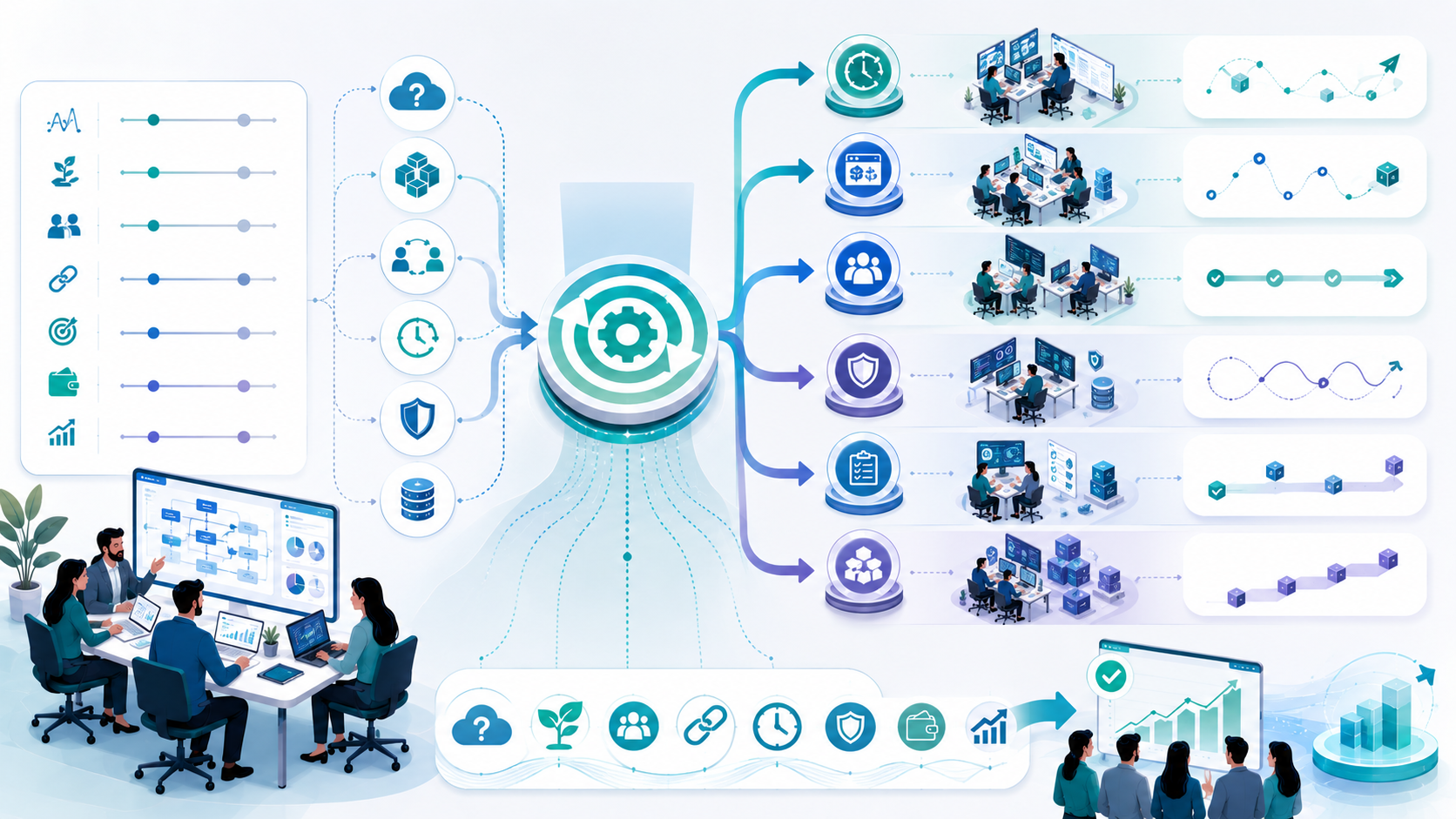
A Practical Decision Framework
Whenever clients ask which pricing model I recommend, I usually walk through a simple decision process.
| Project Situation | Recommended Pricing Model |
|---|---|
| Requirements change frequently | Hourly |
| Product is still being validated | Hourly or Subscription |
| Long-term SaaS development | Dedicated Team |
| Continuous updates after launch | Retainer |
| Clearly defined internal system | Fixed-Price |
| Multi-phase enterprise modernization | Milestone-based Dedicated Team |
Instead of asking:
"Which model is cheapest?"
Ask:
"Which model creates the fewest engineering obstacles over the life of the project?"
That question usually leads to a much better decision.
Conclusion
Software pricing isn't simply about comparing hourly rates or selecting the lowest quotation.
The pricing model shapes how engineering teams plan work, respond to change, manage collaboration, and deliver software over time.
From my experience working with startups, SaaS companies, and enterprise engineering teams, the projects that perform best aren't necessarily those with the smallest budgets. They're the ones where the pricing structure matches the reality of how software is built.
If requirements are expected to evolve, flexibility is usually more valuable than rigid cost certainty.
If the project has well-defined deliverables and limited technical uncertainty, a structured fixed-price agreement can provide predictable budgeting.
For products that continue growing after launch, long-term engagement models such as dedicated teams, retainers, or subscriptions often create better engineering outcomes because they encourage continuous improvement instead of repeated contract negotiations.
At the end of the day, software development is an ongoing process—not a one-time purchase. Choosing the right pricing model allows engineering teams to focus on delivering reliable solutions instead of managing unnecessary administrative complexity. When pricing, collaboration, and technical planning stay aligned, projects are far more likely to deliver lasting value while keeping costs under control.
Software Development Pricing Models In USA: FAQs
For most startups, an hourly or dedicated team model works better than a fixed-price contract. Early-stage products change frequently, so flexibility is usually more valuable than strict cost predictability.
A fixed-price model works well when the project scope, deliverables, and timeline are clearly defined. If requirements are likely to evolve, change requests can increase both cost and project duration.
A dedicated team provides ongoing engineering capacity focused on product development, while a retainer typically reserves a fixed amount of engineering time each month for maintenance, support, and smaller improvements.
There isn't a universal answer. The best choice depends on communication, engineering expertise, collaboration, time-zone requirements, and project complexity rather than hourly rates alone.
The most effective approach is to choose a pricing model that matches the project's level of uncertainty, define realistic requirements, maintain transparent communication, review priorities regularly, and invest in good engineering practices from the beginning. These steps help reduce long-term costs while maintaining software quality and project stability.
Reference
Written by

Paras Dabhi
VerifiedFull-Stack Developer (Python/Django, React, Node.js)
I build scalable web apps and SaaS products with Django REST, React/Next.js, and Node.js — clean architecture, performance, and production-ready delivery.
LinkedIn