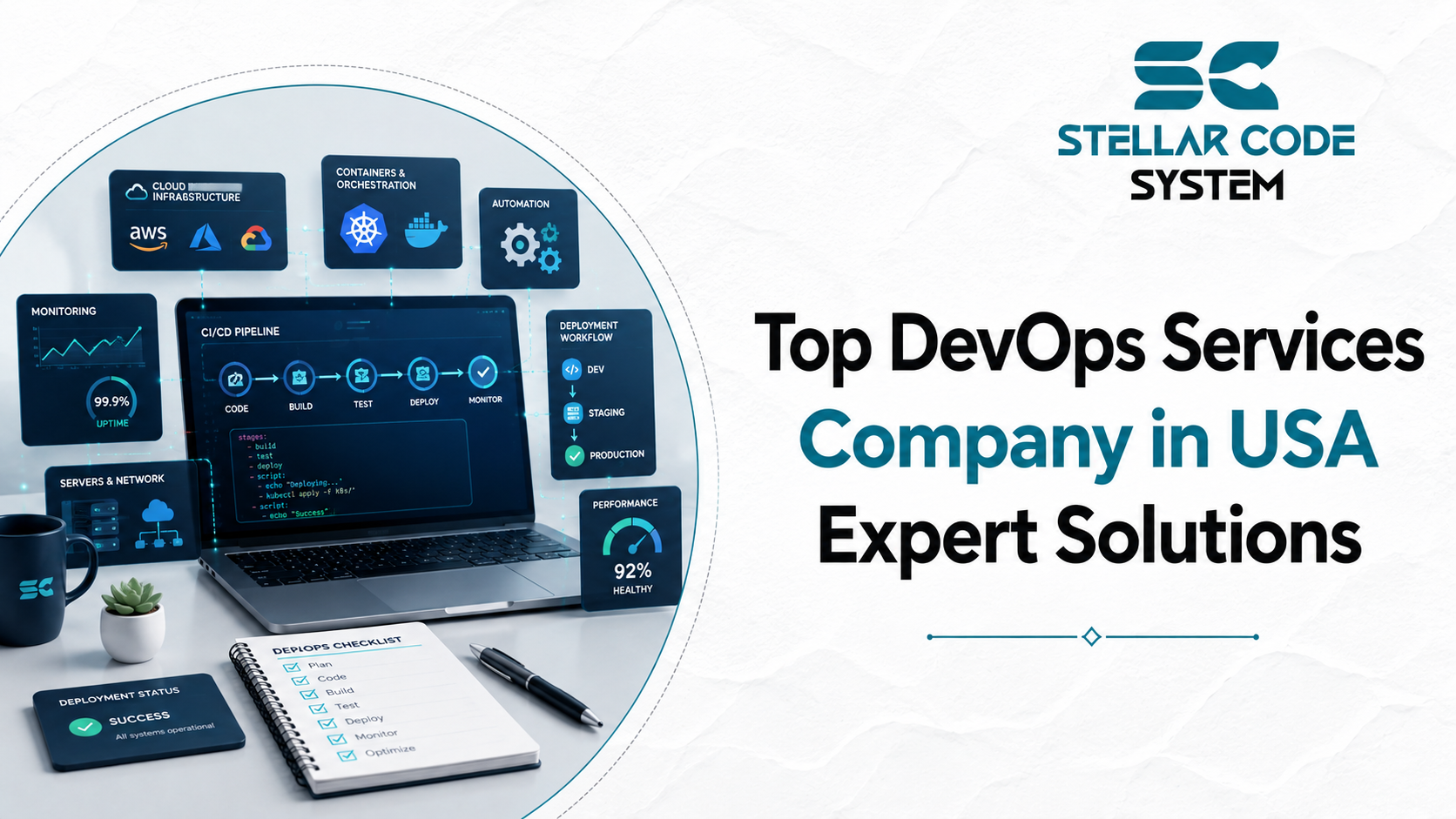
Top DevOps Services Company in USA | Expert Solutions
I've worked with startup engineering teams that treated DevOps as something to "fix later." The product was shipping, developers were pushing code, and customers weren't complaining. On the surface, everything looked fine.
That usually changed after the first few production releases. Deployments became unpredictable, infrastructure started drifting between environments, and every release required manual checks because nobody fully trusted the pipeline anymore. What had once taken a few minutes gradually turned into hours of coordination across developers, operations, and product teams.
Many founders assume hiring a DevOps Services Company in the USA is only necessary when the business reaches enterprise scale. In practice, the need appears much earlier. Small SaaS products, remote engineering teams, and fast-moving startups often reach a point where development slows down—not because developers write poor code, but because delivery processes fail to keep pace with product growth.
The real challenge isn't adopting the latest cloud platform or adding another automation tool. It's building reliable engineering workflows that allow teams to deploy confidently, collaborate effectively, and scale without creating operational bottlenecks.
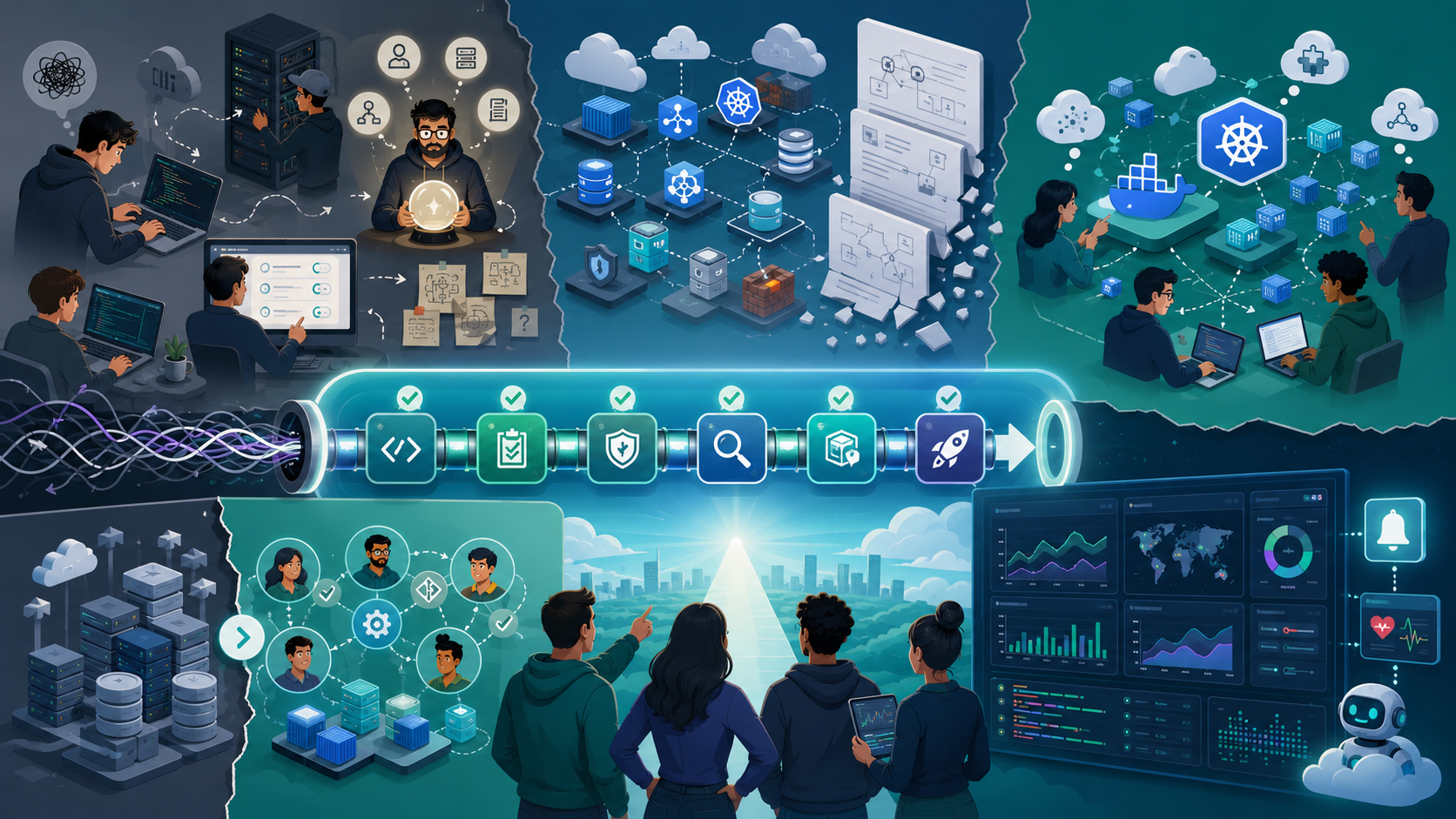
Why This Problem Happens in Real Teams
Most engineering teams don't intentionally create operational complexity. It usually develops through dozens of small decisions made under pressure.
When a startup launches its first product, the priority is simple: release features quickly. Developers manually configure servers, update environments directly, and perform deployments from local machines because it's faster than building proper automation. Those shortcuts often work during the first few months.
As customers grow, however, those same shortcuts become technical debt.
I've seen backend teams spend entire release days comparing configuration files because production no longer matched staging. Nobody knew exactly when the differences appeared, and every deployment carried unnecessary risk.
The underlying issue wasn't developer skill.
It was the absence of repeatable engineering practices.
Manual Deployments Become Permanent
Many startups begin with manual deployment because it's easy.
A developer builds the application.
Someone uploads files.
Environment variables are updated manually.
A quick production test confirms everything works.
Initially, this seems harmless.
Months later, nobody remembers every deployment step.
Documentation is outdated.
Knowledge exists only inside one engineer's head.
When that person takes vacation or changes projects, release confidence drops immediately.
This is where automation begins providing real business value rather than simply reducing repetitive work.
Reliable CI/CD pipelines transform deployments from individual knowledge into standardized engineering processes.
Instead of asking:
"Who knows how to deploy this?"
teams ask:
"Has the pipeline passed?"
That shift changes how engineering organizations scale.
Infrastructure Evolves Faster Than Documentation
Cloud infrastructure rarely stays static.
New databases appear.
Load balancers change.
Networking evolves.
Security policies expand.
Storage grows.
Without consistent Infrastructure management, every environment slowly becomes different.
I've worked with projects where production contained resources that nobody could explain. They weren't causing immediate failures, so they remained untouched for years.
Eventually, those forgotten configurations became the reason new releases failed unexpectedly.
Infrastructure should behave like application code.
Version-controlled.
Reviewed.
Repeatable.
That's why Terraform, Ansible, Puppet, and Chef became common choices—not because they're trendy, but because they reduce human inconsistency.
Tool Adoption Often Happens Without Process Improvement
Many startups believe adding new technology automatically improves delivery.
The reality is different.
Installing Docker doesn't improve deployment quality if every developer builds images differently.
Running Kubernetes doesn't solve operational problems when nobody understands cluster maintenance.
Moving toward Microservices can actually increase complexity if a monolithic application wasn't creating problems in the first place.
I've seen engineering teams spend six months migrating to container orchestration while release frequency actually decreased.
The technology wasn't the issue.
The organization wasn't ready for it.
Containers, orchestration, and cloud-native infrastructure succeed only when engineering workflows are already disciplined.
CI/CD Pipelines Reflect Team Discipline
A pipeline isn't just a deployment script.
It's a reflection of how engineering teams work together.
Healthy pipelines include:
- Automated testing before deployment
- Code quality validation
- Security checks
- Dependency verification
- Consistent build processes
- Controlled production releases
Poor pipelines usually reveal deeper collaboration issues.
Developers bypass reviews.
Tests become optional.
Emergency fixes skip validation.
Release quality gradually declines.
Whether teams use Jenkins, GitHub, GitLab, or Bitbucket, the tooling matters less than maintaining consistent engineering standards.
The best pipelines are usually the simplest ones that everyone understands.
Scaling Infrastructure Isn't the Same as Scaling Engineering
Cloud platforms make adding servers relatively easy.
Scaling engineering organizations is much harder.
I've worked with SaaS companies where cloud costs doubled while developer productivity remained flat.
More compute resources didn't eliminate release delays.
The real bottleneck was coordination.
Engineering teams lacked consistent workflow, reliable integration, proper versioning, and shared ownership of production systems.
Scaling isn't only about performance or availability.
It's equally about making sure every engineer can contribute without introducing unnecessary operational risk.
Observability Is Usually Added Too Late
Monitoring often becomes a priority only after customers report problems.
By then, valuable debugging information has already disappeared.
Effective engineering teams invest early in:
- Monitoring
- Centralized Logging
- Application Observability
- Performance Metrics
- Automated Alerts
These capabilities reduce investigation time dramatically.
Instead of guessing why deployments failed, teams can identify issues within minutes.
Observability doesn't eliminate failures.
It shortens recovery time.
That's a far more realistic engineering objective.

Where Most Teams Make the Wrong Decision
The biggest mistake I see isn't choosing the wrong technology. It's solving tomorrow's problems before today's problems are under control.
Small engineering teams often read case studies from large technology companies and assume they should adopt the same architecture. They introduce Kubernetes clusters, split a monolith into dozens of Microservices, and build complex Serverless functions before they've even established a reliable release process.
The result is predictable.
Instead of one application that's easy to understand, the team now manages multiple services, distributed networking, additional infrastructure, and several deployment pipelines. Development slows down because every change touches more moving parts.
I've seen startups with fewer than eight developers maintain over twenty services. Every feature required updates across multiple repositories, API contracts, and deployment configurations. The engineering effort increased significantly, but customer value barely changed.
Another common mistake is focusing on tools instead of engineering habits.
Teams spend weeks comparing Jenkins, GitHub Actions, GitLab CI, or Bitbucket Pipelines as though switching platforms will solve operational issues. In reality, a poorly designed pipeline remains unreliable regardless of where it runs.
The same applies to infrastructure automation.
Using Terraform doesn't automatically improve consistency if engineers make manual changes in production after every deployment. Likewise, adopting Ansible, Puppet, or Chef won't help if configuration updates are never reviewed or documented.
I've also seen remote engineering teams become obsessed with optimization too early.
They continuously tune infrastructure for performance, introduce additional cloud services, and redesign deployment workflows while ignoring the actual bottleneck: communication. Without clear ownership, code review standards, and documentation, operational complexity grows faster than the product itself.
Good DevOps isn't about collecting more tools.
It's about reducing unnecessary decisions during everyday engineering work.
Practical Fixes That Actually Work
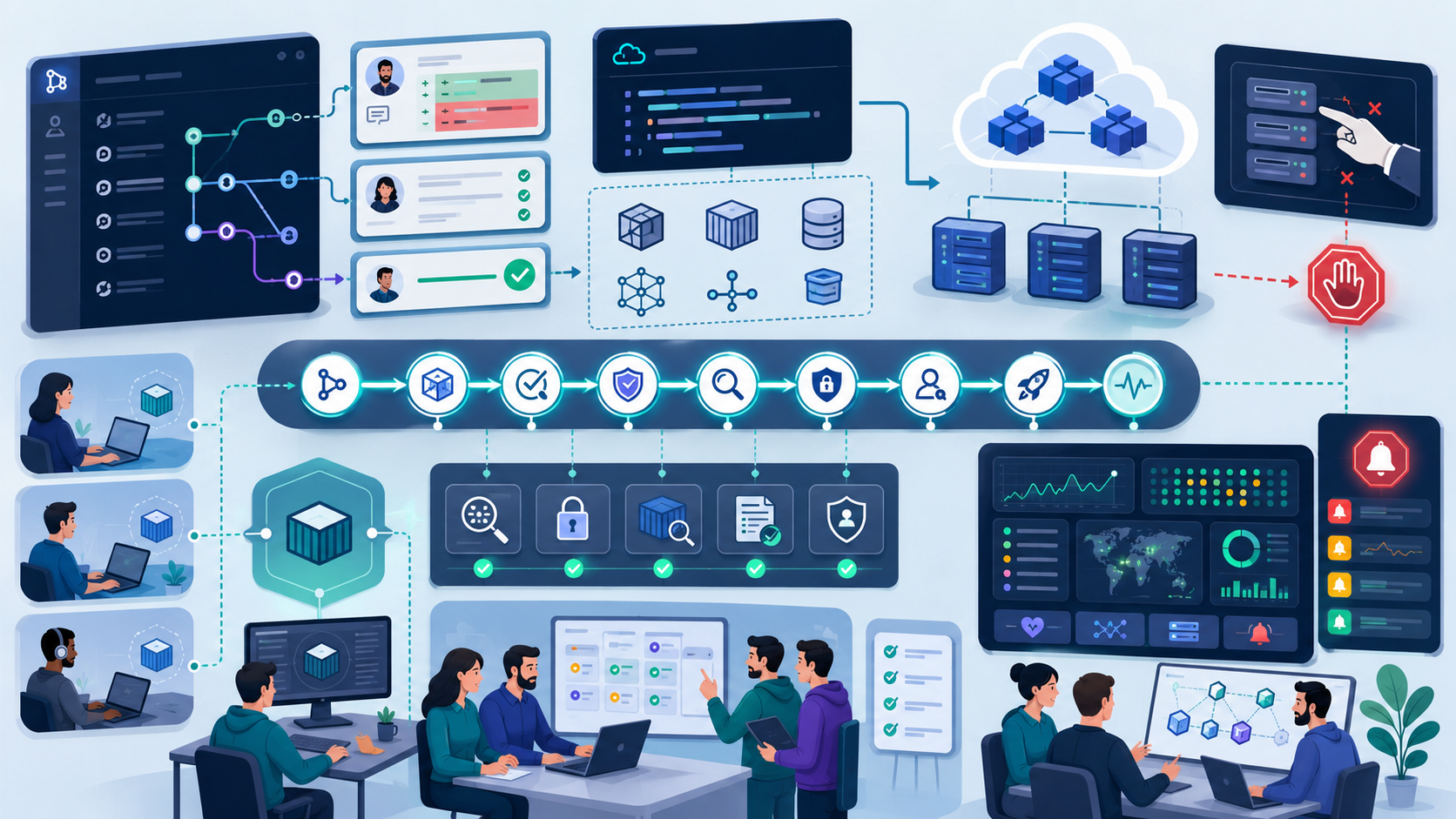
The most effective improvements I've seen were surprisingly simple. Working with a US software engineering partner for dependable DevOps delivery can help teams reduce daily engineering friction through repeatable infrastructure, reliable CI/CD pipelines, practical automation, observability, and secure deployment workflows.
1. Treat Infrastructure Like Application Code
Every infrastructure change should be reviewed the same way application code is reviewed.
That means:
- Store infrastructure definitions in a shared Repository
- Use Versioning for every infrastructure change
- Require pull request reviews
- Eliminate manual production updates whenever possible
This creates repeatable environments and reduces deployment surprises.
2. Keep the CI/CD Pipeline Simple
A deployment Pipeline doesn't need dozens of stages to be effective.
A practical workflow usually includes:
- Build the application
- Run automated tests
- Execute security validation
- Verify dependencies
- Deploy automatically after approval
- Perform post-deployment health checks
If developers can't explain every pipeline step, it's probably too complicated.
Simple pipelines are easier to maintain and recover when failures occur.
3. Standardize Development Environments
One recurring problem in remote teams is environment inconsistency.
Containers solve this problem well when used appropriately.
Using Docker allows developers to work with nearly identical local environments, reducing "works on my machine" issues before code reaches production.
Consistency also improves onboarding for new engineers.
Instead of manually configuring development environments, they can start contributing much sooner.
4. Monitor Before Customers Report Problems
Observability should support engineering decisions rather than simply collecting dashboards.
A practical monitoring strategy includes:
- Application Monitoring
- Centralized Logging
- Service Observability
- Business and system Metrics
- Automated Alerts for production failures
The objective isn't to monitor everything.
It's to collect enough information to identify problems quickly.
5. Build Security Into the Workflow
Security reviews shouldn't happen only before major releases.
Instead, include security throughout the delivery process.
Examples include:
- Automated dependency scanning
- Secret detection
- Access control validation
- Container image scanning
- Basic Compliance checks
- Continuous Governance policies
This is where DevSecOps becomes practical.
Rather than creating additional work, security becomes another automated quality check inside the deployment workflow.
6. Optimize Collaboration Before Scaling Architecture
Engineering velocity usually improves more from better communication than from architectural redesign.
Some habits that consistently help include:
- Clear ownership for every service
- Lightweight documentation
- Smaller pull requests
- Consistent review guidelines
- Shared deployment checklists
- Regular architecture discussions
Better Collaboration often improves Productivity more than introducing another cloud platform.
When This Approach Fails
No engineering approach works forever.
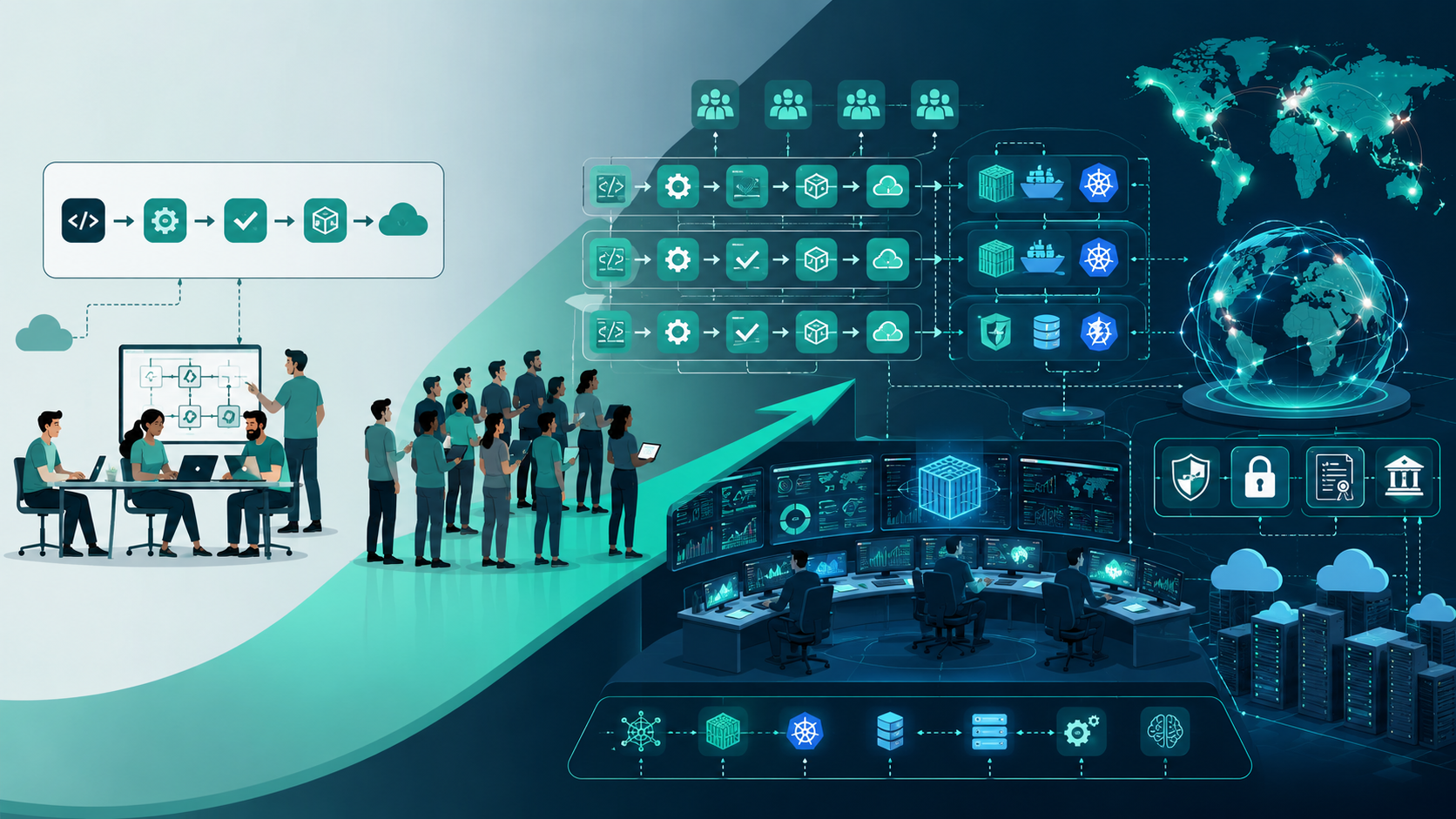
The practices described here are designed for small engineering teams, typically between two and fifteen developers.
As organizations grow, additional complexity becomes unavoidable.
For example, a single deployment pipeline may become difficult to manage when dozens of independent product teams deploy multiple times each day.
Similarly, a well-structured monolith may eventually limit independent releases as engineering organizations expand.
Products serving millions of users may require advanced scalability techniques, specialized infrastructure teams, and more sophisticated orchestration strategies.
Operational requirements also become more demanding.
- Higher availability targets
- Stronger resilience
- Global deployments
- Advanced networking
- Strict regulatory compliance
These situations justify more specialized architecture.
The mistake is assuming every startup has already reached that stage.
In my experience, most early-stage SaaS products benefit far more from simplicity than from architectural sophistication.
Sustainable Practices for Small Engineering Teams
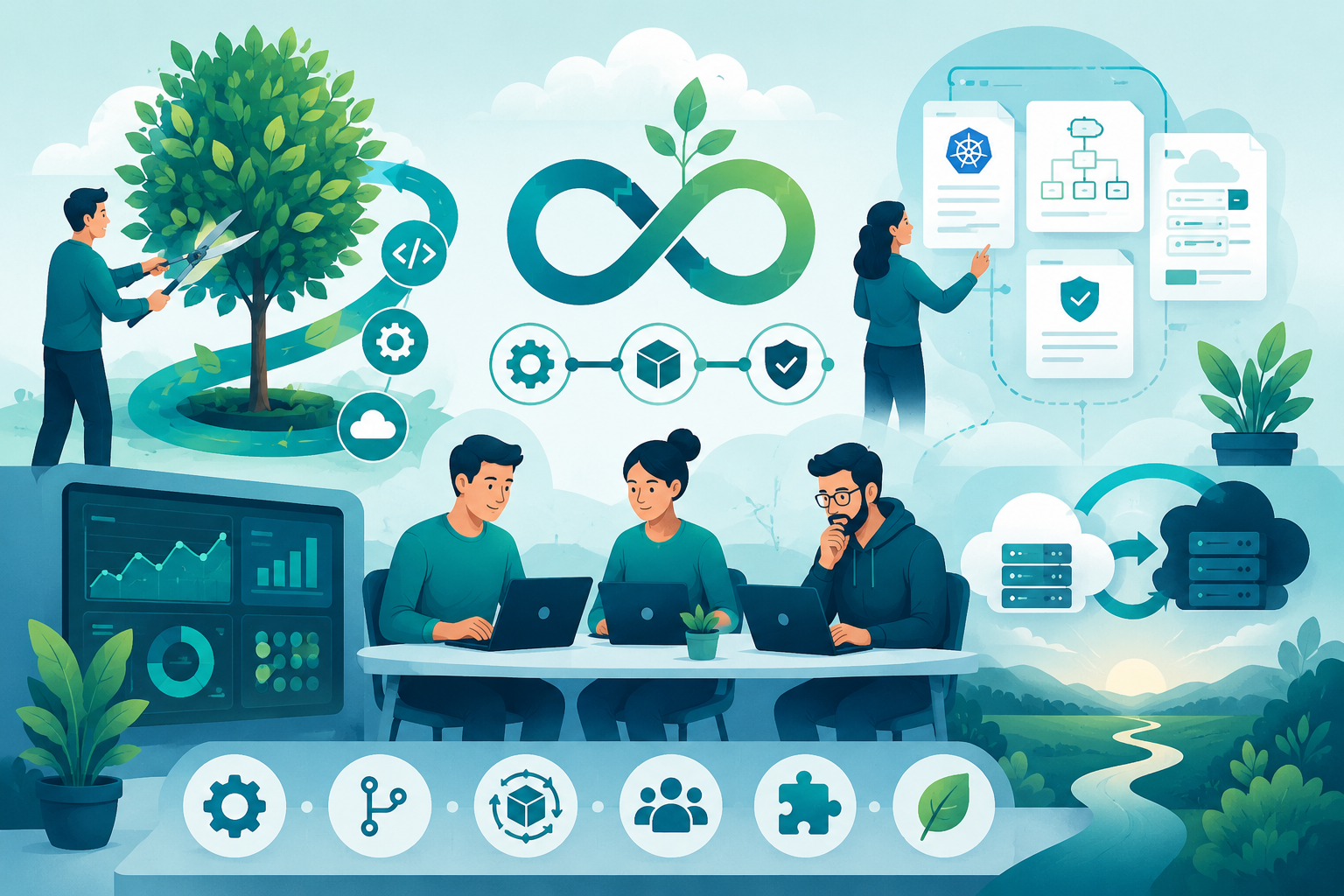
Sustainable engineering isn't about delivering the fastest release this week.
It's about maintaining steady delivery for years.
One habit that consistently pays off is reducing technical debt continuously instead of scheduling large cleanup projects every year.
Small improvements are easier to review, easier to deploy, and less disruptive.
Documentation should also evolve alongside the system.
Not extensive documentation that nobody reads, but practical notes explaining deployment workflows, infrastructure decisions, recovery procedures, and architectural trade-offs.
Another important habit is measuring operational health.
Track deployment frequency.
Recovery time.
Pipeline failures.
Production incidents.
These indicators often reveal engineering bottlenecks long before customers notice them.
As products evolve, expect some degree of Transformation.
Infrastructure changes.
Cloud providers introduce new capabilities.
Business priorities shift.
Migration projects become necessary.
The goal isn't avoiding change.
It's making Migration predictable rather than disruptive.
Finally, remember that engineering teams don't scale through technology alone.
They scale through repeatable habits.
Consistent automation.
Reliable delivery.
Thoughtful architecture.
Continuous optimization where it genuinely matters.
And enough operational discipline to keep complexity under control as the product grows.
Conclusion
Many startups believe operational problems begin when traffic increases. In reality, they usually begin much earlier—when engineering practices fail to evolve alongside the product.
The biggest mistake isn't choosing the wrong cloud provider, deployment platform, or automation framework. It's introducing additional complexity before the team has established reliable engineering fundamentals.
Whether you're evaluating a DevOps Services Company in USA or improving your internal engineering processes, the priority should remain the same: build repeatable workflows, automate carefully, document critical decisions, and optimize only after you've identified real bottlenecks.
Sustainable DevOps is less about adopting every new technology and more about creating systems that developers trust, understand, and can maintain as the business grows.
DevOps Services Company In USA: FAQs
No. Kubernetes becomes valuable when applications, deployments, and operational requirements justify container orchestration. Many early-stage SaaS products work well without it.
Most SaaS MVPs can be effectively maintained by a team of 2–8 developers, provided they have reliable automation, documentation, and deployment workflows.
Rapid feature delivery, inconsistent architecture decisions, manual deployments, and accumulating technical debt often make codebases harder to maintain over time.
As soon as deployments become regular. Integrating DevSecOps practices early reduces security risks and avoids expensive remediation later.
Look for a team that emphasizes practical automation, reliable CI/CD pipelines, infrastructure as code, observability, security, and sustainable engineering workflows rather than simply recommending more tools or complex architectures.
Reference
Written by

Paras Dabhi
VerifiedFull-Stack Developer (Python/Django, React, Node.js)
I build scalable web apps and SaaS products with Django REST, React/Next.js, and Node.js — clean architecture, performance, and production-ready delivery.
LinkedIn