Custom Enterprise Portal Development Services India
Enterprise software is no longer just about internal dashboards. Modern organizations need secure, scalable, role-based digital portals that connect employees, vendors, customers, distributors, and management teams into one controlled ecosystem.
That is why custom enterprise portal development services in India have become a strategic investment for enterprises focused on digital transformation, workflow automation, and operational visibility.
India is rapidly becoming the strongest market for enterprise-grade custom software. The India custom software development market is projected to reach USD 10,552 million by 2030, growing at 28.5% CAGR, with enterprise software as the leading segment.
If your business needs secure access control, centralized workflows, third-party integrations, reporting, and cloud scalability, a custom enterprise portal is often the most future-ready solution.
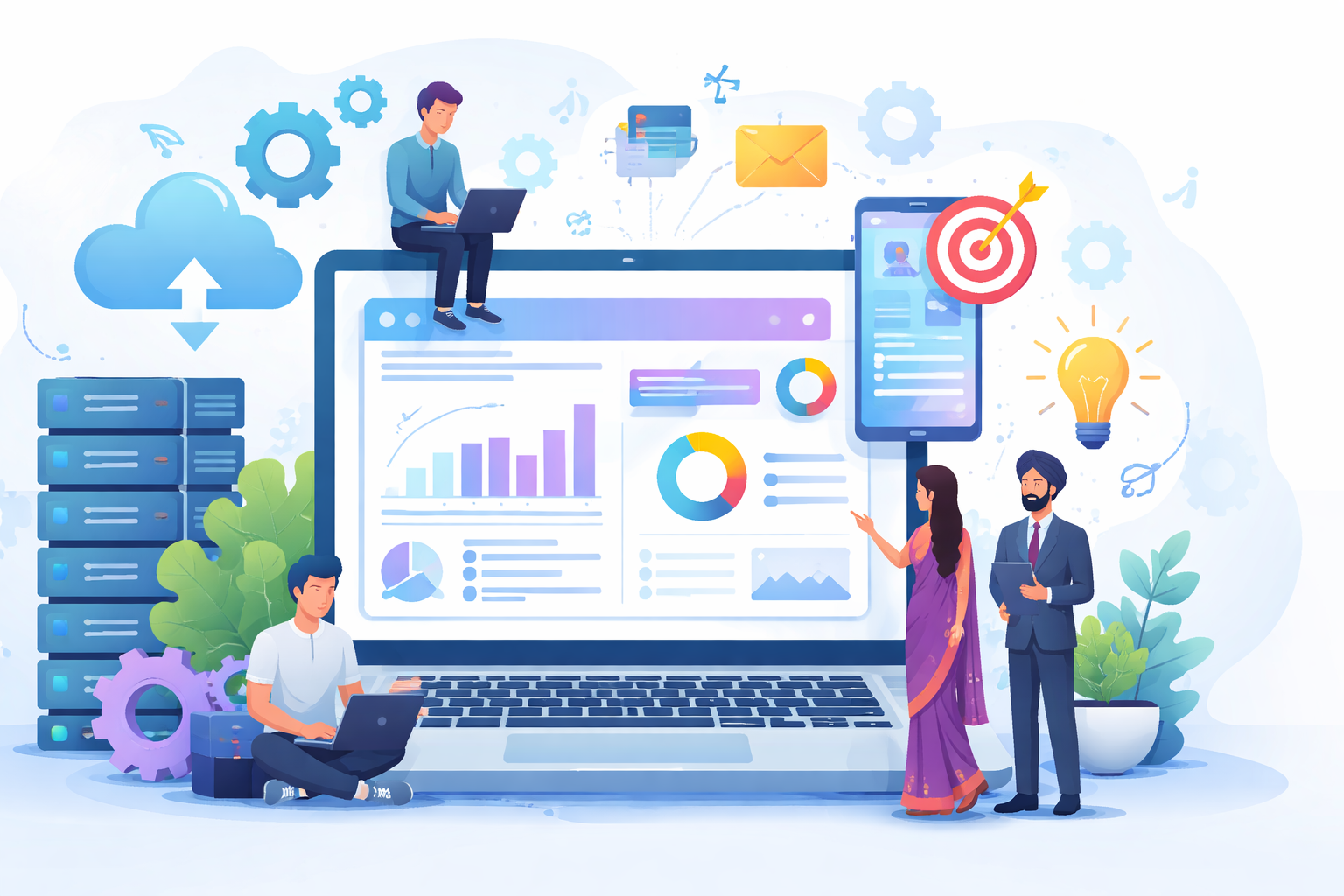
What Are Custom Enterprise Portal Development Services in India?
Custom enterprise portal development services involve designing and building business-specific web portals that centralize users, data, workflows, approvals, and integrations into one secure digital platform.
Unlike off-the-shelf tools, these portals are built around your exact business operations.
Typical enterprise portals include:
- Customer self-service portals
- Employee intranet portals
- Vendor and supplier portals
- Dealer/distributor management portals
- Finance and approval dashboards
- HR and attendance portals
- Reporting and BI portals
- Partner collaboration systems
The goal is simple: one secure interface for all stakeholders.
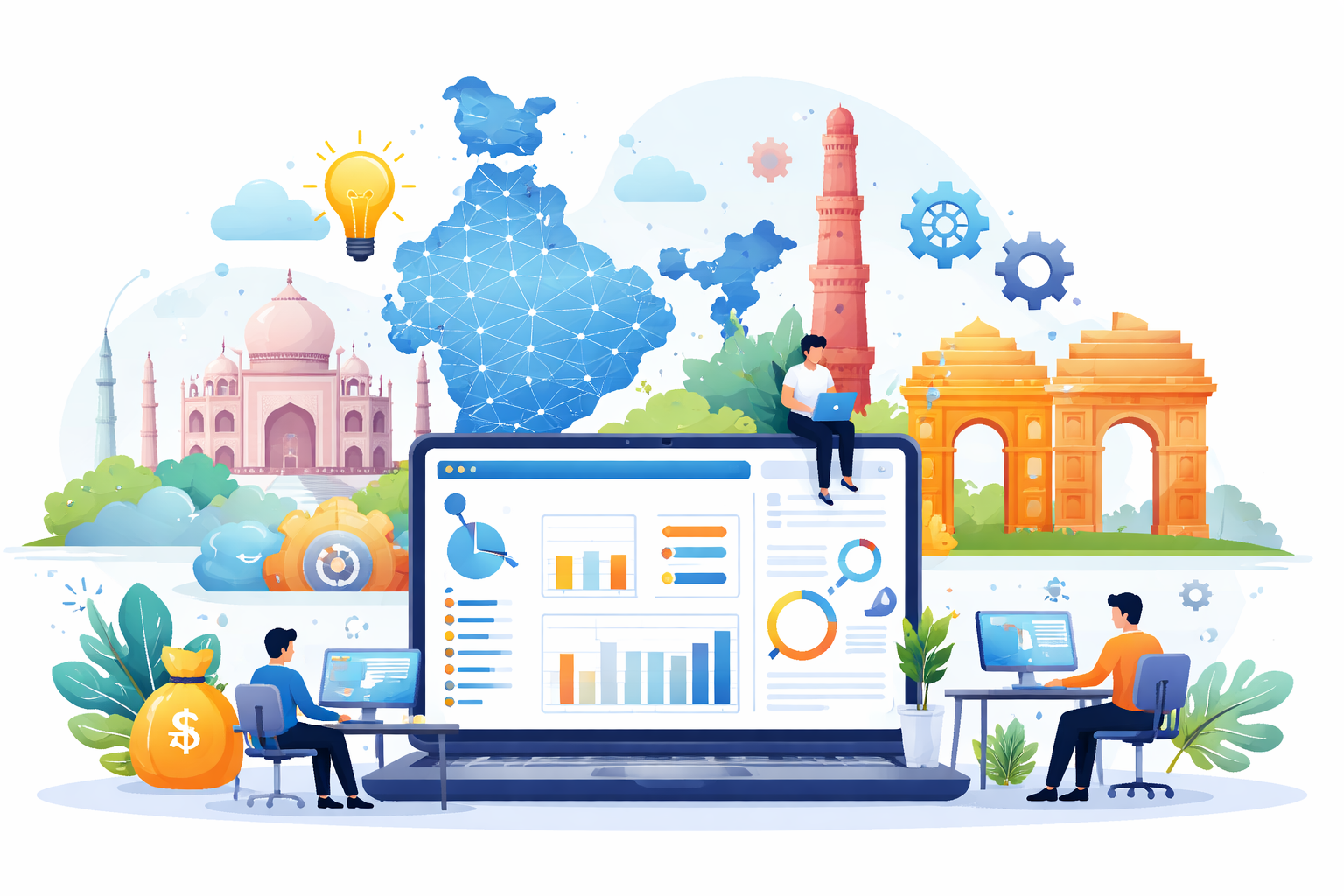
Why Enterprises Choose India for Portal Development
India has become the preferred destination for enterprise portal development because of three major advantages:
1) Cost Efficiency Without Sacrificing Quality
India helps enterprises lower portal development costs without compromising engineering quality. Businesses get access to experienced architects, senior developers, and proven delivery teams at significantly better value than US or EU in-house hiring.
2) Strong Enterprise Engineering Talent
India offers a deep pool of enterprise software specialists with hands-on experience in scalable business systems. This makes it easier for companies to work with an enterprise software development company in India that can build secure, high-performance portals aligned with complex enterprise workflows.
This means better availability of specialists in:
- SaaS architecture
- microservices
- enterprise integrations
- DevOps
- security engineering
- AI workflow automation
3) Proven Global Delivery Models
Indian software companies follow mature global delivery practices built around agile sprints, transparent communication, NDA protection, and long-term support. This ensures enterprise portal projects stay predictable, secure, and easy to scale across regions.
Indian software companies are experienced in:
- NDA-based delivery
- timezone collaboration
- agile sprint execution
- long-term support contracts
- cloud modernization
- product scaling
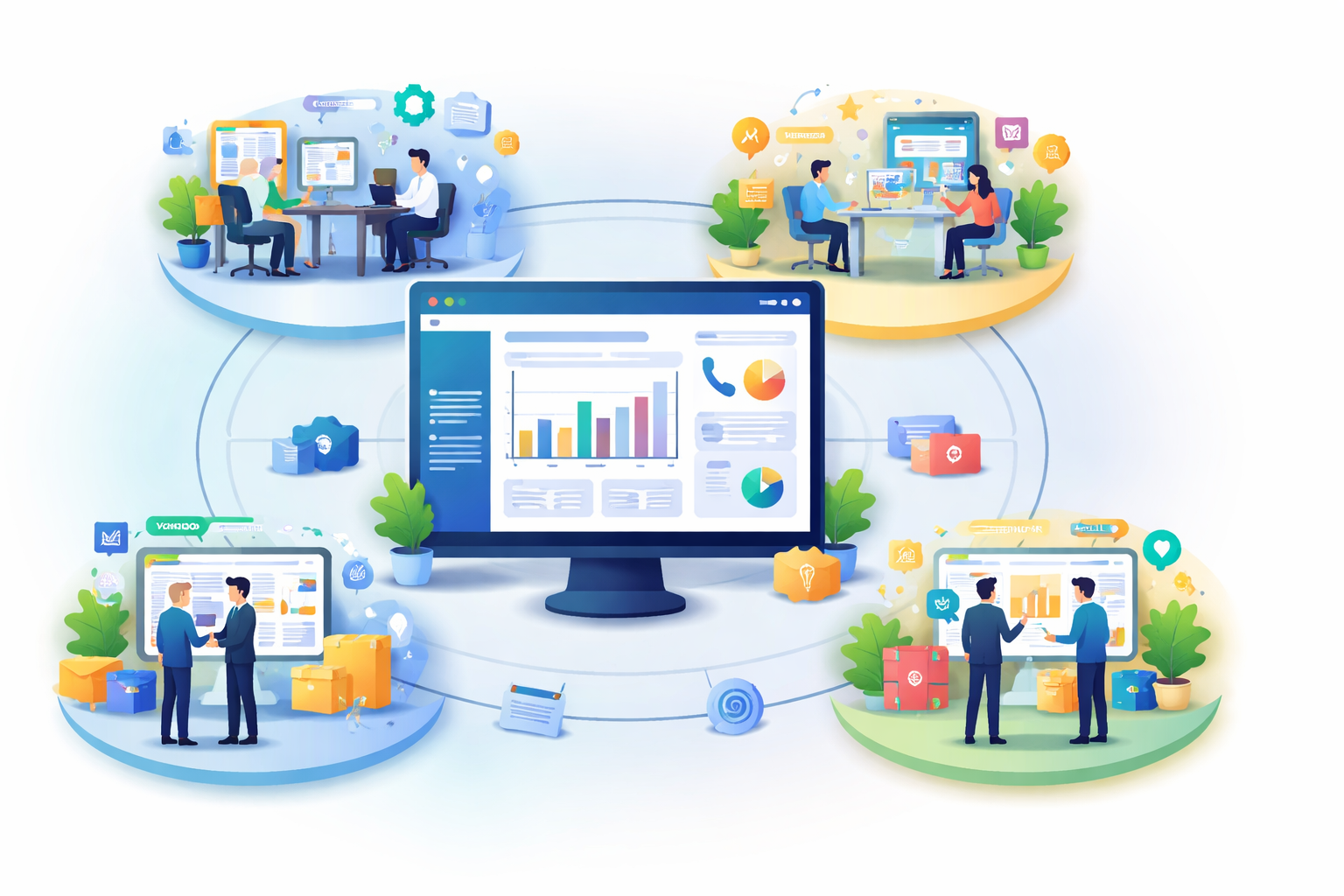
Types of Enterprise Portals Businesses Build
1) Customer Portal Development
Customer portals help businesses centralize client interactions through a secure self-service platform. They improve customer experience by giving users instant access to orders, invoices, support tickets, subscriptions, and account-level insights.
Used for:
- order tracking
- invoices
- support tickets
- subscription management
- account dashboards
- knowledge base access
Best for SaaS, logistics, BFSI, and healthcare.
2) Employee Self-Service Portal
Employee self-service portals simplify internal operations by giving staff direct access to HR and workplace workflows. From leave requests and payroll to attendance and performance tracking, these portals reduce manual admin work significantly.
Internal portals for:
- leave requests
- HR workflows
- payroll access
- attendance
- performance reviews
- asset management
3) Vendor Portal Development
Vendor portals are designed to streamline procurement and supplier collaboration across enterprise operations. They help manage RFQs, purchase orders, invoice approvals, compliance documents, and vendor onboarding from one secure dashboard.
Ideal for procurement-heavy organizations.
Features include:
- RFQ workflows
- purchase orders
- invoice approvals
- compliance document uploads
- vendor onboarding
4) Dealer & Distributor Portals
Dealer and distributor portals improve supply chain visibility for manufacturing, retail, and FMCG businesses. They provide real-time access to stock levels, pricing, schemes, sales reports, and territory-based operational controls.
Common in manufacturing and FMCG.
These portals help with:
- stock visibility
- pricing control
- scheme management
- sales reporting
- territory access
5) Finance & MIS Portals
Finance and MIS portals give leadership teams centralized access to business-critical reports, approvals, and KPIs. These systems improve decision-making with live dashboards, audit trails, revenue insights, and management-level visibility.
For CFO and management teams needing:
- live KPIs
- reporting dashboards
- audit trails
- revenue insights
- approval chains
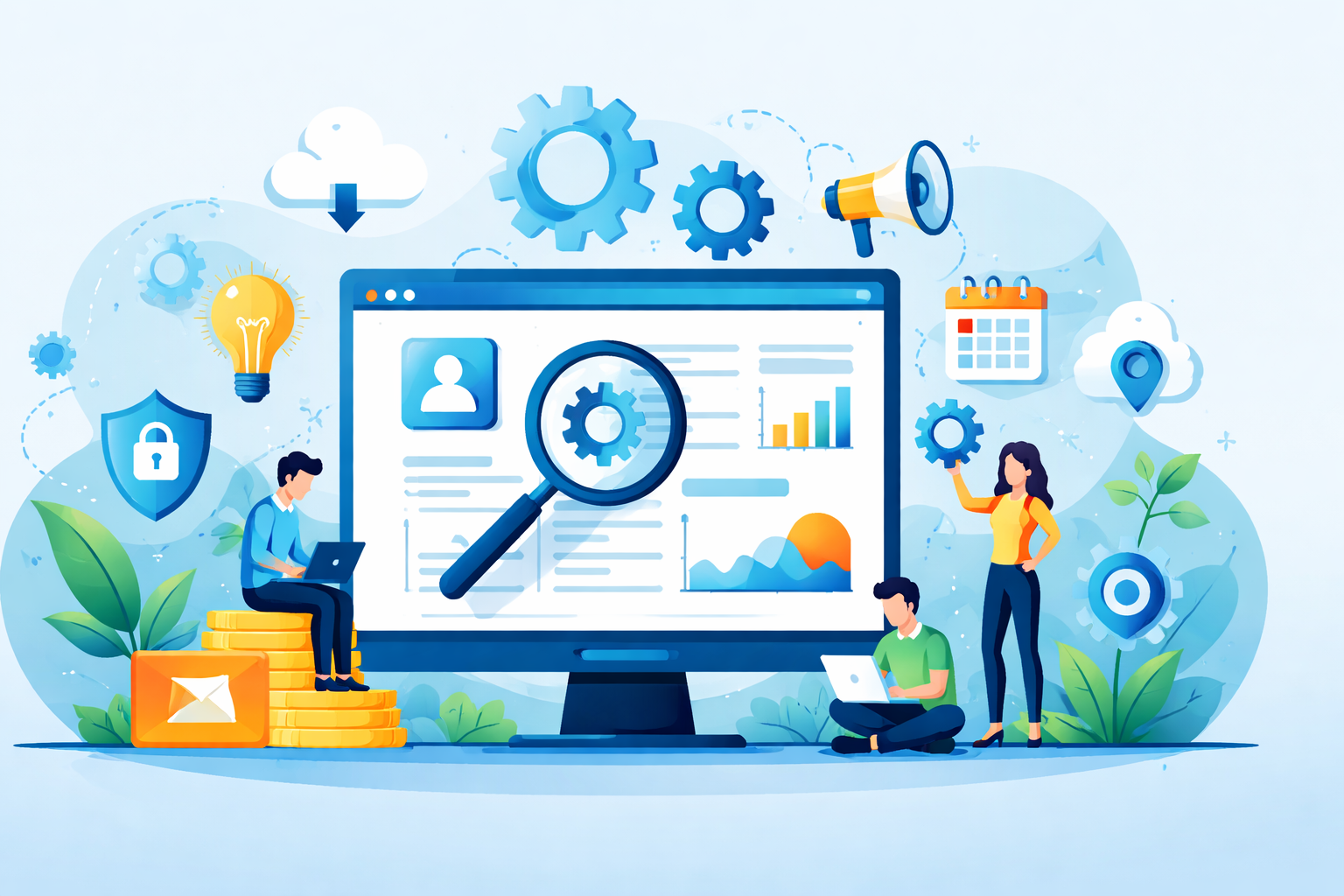
Key Features of Enterprise Portal Development
A high-performing enterprise portal should include:
- Role-based access control
- SSO and MFA authentication
- Tenant-level data isolation
- Approval workflows
- Advanced search
- Document management
- Audit logs
- Analytics dashboards
- API integrations
- Mobile responsiveness
- Notification engines
- Workflow automation
For B2B and multitenant use cases, tenant-aware identity architecture is critical to prevent cross-account data leakage. Microsoft recommends strong tenant isolation, federated identity, and external IdP integration for secure enterprise SaaS systems.
Enterprise Portal Development Process
Discovery & Workflow Mapping
This phase focuses on understanding how your enterprise actually works before development begins. Teams analyze user roles, workflow bottlenecks, approvals, reporting requirements, compliance needs, and system dependencies to create a clear implementation roadmap.
The first phase focuses on:
- user roles
- workflow bottlenecks
- approval logic
- reporting needs
- compliance requirements
- system dependencies
UI/UX Architecture
The UI/UX stage transforms business workflows into intuitive digital experiences. Design teams build role-based dashboards, approval screens, reporting interfaces, admin panels, and mobile-first views that make daily operations faster and easier.
Design teams create:
- role-based dashboards
- workflow screens
- reporting interfaces
- admin panels
- mobile-first views
Backend Development
Backend development powers the core logic behind your enterprise portal. It includes RBAC, workflow engines, APIs, notification systems, data processing, and logging pipelines to ensure secure, scalable, and reliable business operations.
This includes:
- business logic
- RBAC
- workflow engines
- API services
- notification systems
- logging pipelines
Integration Layer
The integration layer connects your portal with existing enterprise systems for seamless data flow. This includes ERP, CRM, HRMS, payment gateways, BI tools, document systems, and communication APIs like email or WhatsApp.
Common integrations:
- ERP
- CRM
- HRMS
- payment gateways
- document tools
- BI tools
- email services
- SMS/WhatsApp APIs
Security & QA
Security and QA ensure the portal is safe, stable, and production-ready before launch. This includes penetration testing, RBAC validation, performance checks, API security reviews, failover testing, and OWASP-aligned access controls.
Portal testing includes:
- penetration testing
- RBAC validation
- performance testing
- concurrency testing
- API security
- failover validation
OWASP-aligned controls are essential for authentication, access control, and input validation.
Deployment & Support
Once development is complete, the portal is deployed to cloud or on-premise infrastructure with proper monitoring and backup systems. Ongoing support covers bug fixes, performance optimization, upgrades, and long-term scalability improvements.
Deployment options:
- AWS
- Azure
- GCP
- hybrid cloud
- on-premise
Best Technology Stack for Enterprise Portals
Recommended stack:
For enterprise-scale portals, microservices + API-first architecture improves scalability and maintainability.
| Layer | Recommended Tech |
|---|---|
| Frontend | React, Next.js, Angular |
| Backend | Node.js, .NET, Java, Python |
| Database | PostgreSQL, MySQL, MongoDB |
| Auth | OAuth2, SSO, SAML, MFA |
| Infra | AWS, Azure, Docker, Kubernetes |
| DevOps | GitHub Actions, Jenkins, Terraform |
| Analytics | Power BI, Metabase, Tableau |
Security & Compliance Requirements
Enterprise portals often handle:
- financial records
- employee data
- contracts
- customer PII
- partner agreements
So security must include:
- SSO
- MFA
- encryption at rest
- audit trails
- IP restrictions
- tenant isolation
- session management
- role permissions
- GDPR-ready logging
- VAPT cycles
Never treat security as a post-launch add-on.
Enterprise Portal Development Cost in India
The cost depends on:
- number of user roles
- workflow complexity
- integrations
- compliance requirements
- reporting depth
- tenant architecture
- cloud setup
- SLA requirements
India remains highly competitive because enterprises gain access to senior architecture talent at lower delivery costs.
| Project Type | Cost |
|---|---|
| Basic Portal | ₹5–10 lakhs |
| Mid Enterprise Portal | ₹12–25 lakhs |
| Complex Multi-Portal System | ₹30–60+ lakhs |
India vs In-House vs Offshore Comparison
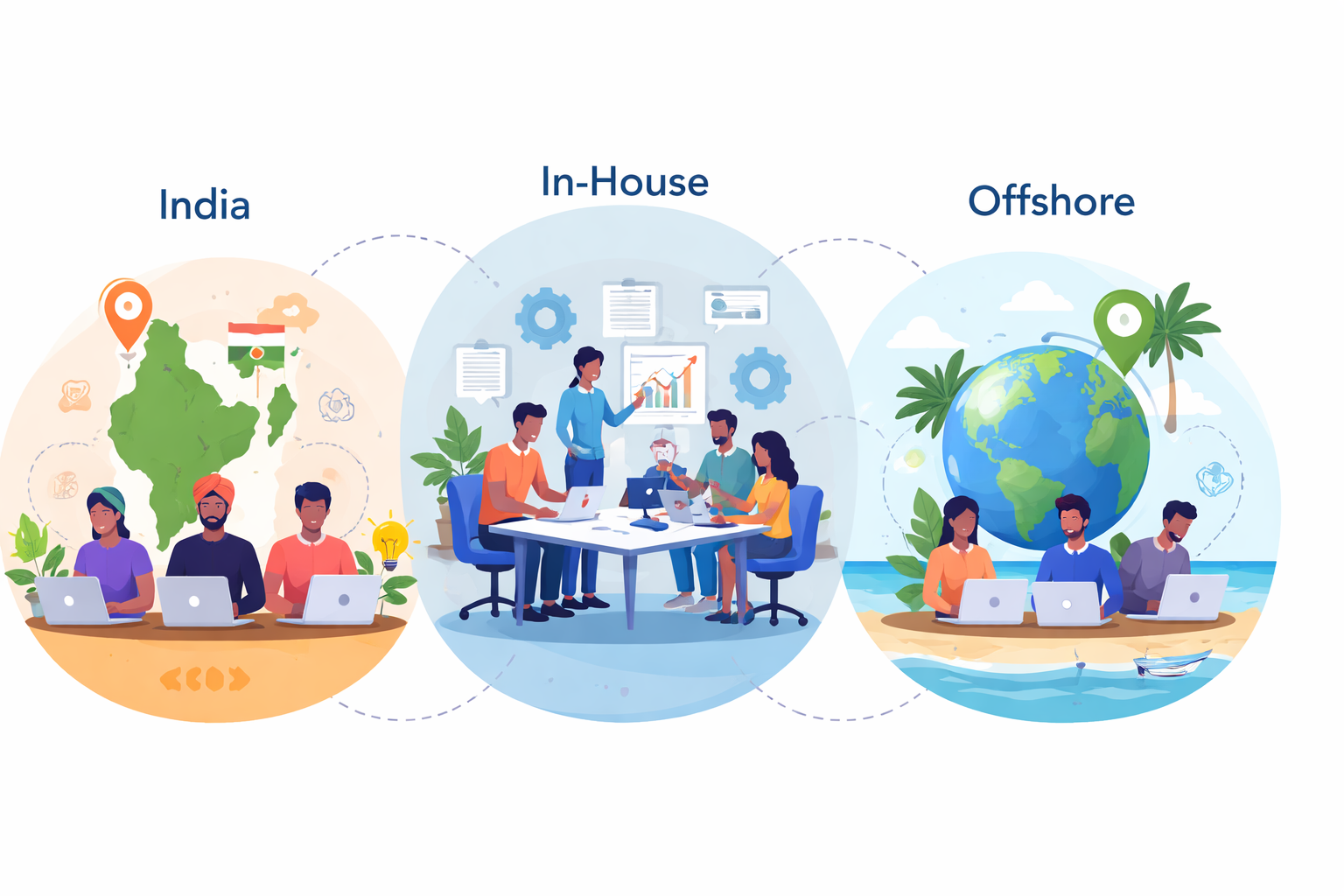
For communication-heavy enterprise workflows, partner maturity matters more than hourly cost alone.
| Model | Pros | Cons |
|---|---|---|
| India Development Partner | cost-effective, scalable, fast hiring | vendor selection matters |
| In-House Team | high control | expensive, slower hiring |
| Generic Offshore | low cost | communication + quality risk |
Industry Use Cases
Healthcare
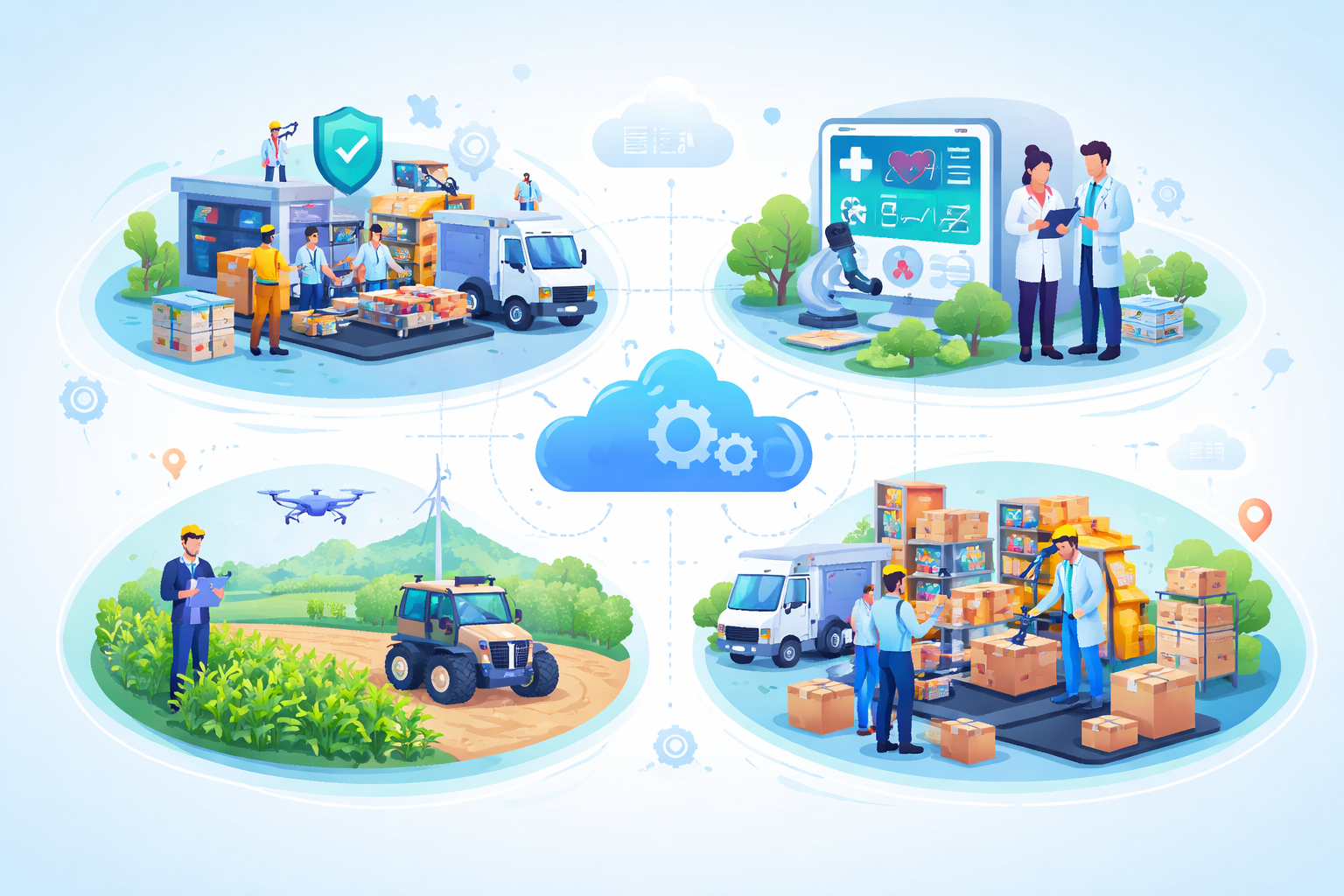
Healthcare portals improve coordination between patients, doctors, labs, and insurance teams through one secure system. They simplify appointment workflows, patient record access, insurance approvals, doctor dashboards, and lab report sharing while maintaining compliance and data privacy standards.
- patient portals
- doctor dashboards
- insurance approvals
- lab reports
Logistics
Logistics portals provide real-time operational visibility across shipments, fleet movement, warehouses, and delivery confirmations. These systems help teams track proof-of-delivery, optimize dispatch decisions, reduce delays, and improve supply chain communication.
- shipment visibility
- fleet status
- warehouse workflows
- proof-of-delivery
Fintech
Fintech portals are built for secure, compliance-heavy workflows such as KYC verification, audit dashboards, transaction reporting, and partner onboarding. They improve regulatory control, reporting accuracy, and operational transparency for finance-driven businesses.
- KYC workflows
- audit dashboards
- partner onboarding
- transaction reporting
Manufacturing
Manufacturing portals centralize vendor collaboration, dealer operations, procurement approvals, and inventory reporting into one platform. This improves supply chain visibility, reduces manual coordination, and helps management teams make faster production decisions.
- vendor collaboration
- dealer portals
- inventory dashboards
- procurement approvals
Education
Education portals streamline interactions between students, faculty, administrators, and finance teams. They support fee management, LMS access, attendance, academic dashboards, assignments, and communication workflows within a single digital ecosystem.
- student portals
- faculty dashboards
- fee systems
- LMS access
Real Estate
Real estate portals help developers, brokers, channel partners, and buyers manage projects more efficiently. They centralize inventory visibility, lead routing, payment schedules, document sharing, and broker performance dashboards for faster sales operations.
- broker portals
- project MIS
- lead routing
- payment schedules
Why Custom Portals Outperform SaaS Tools
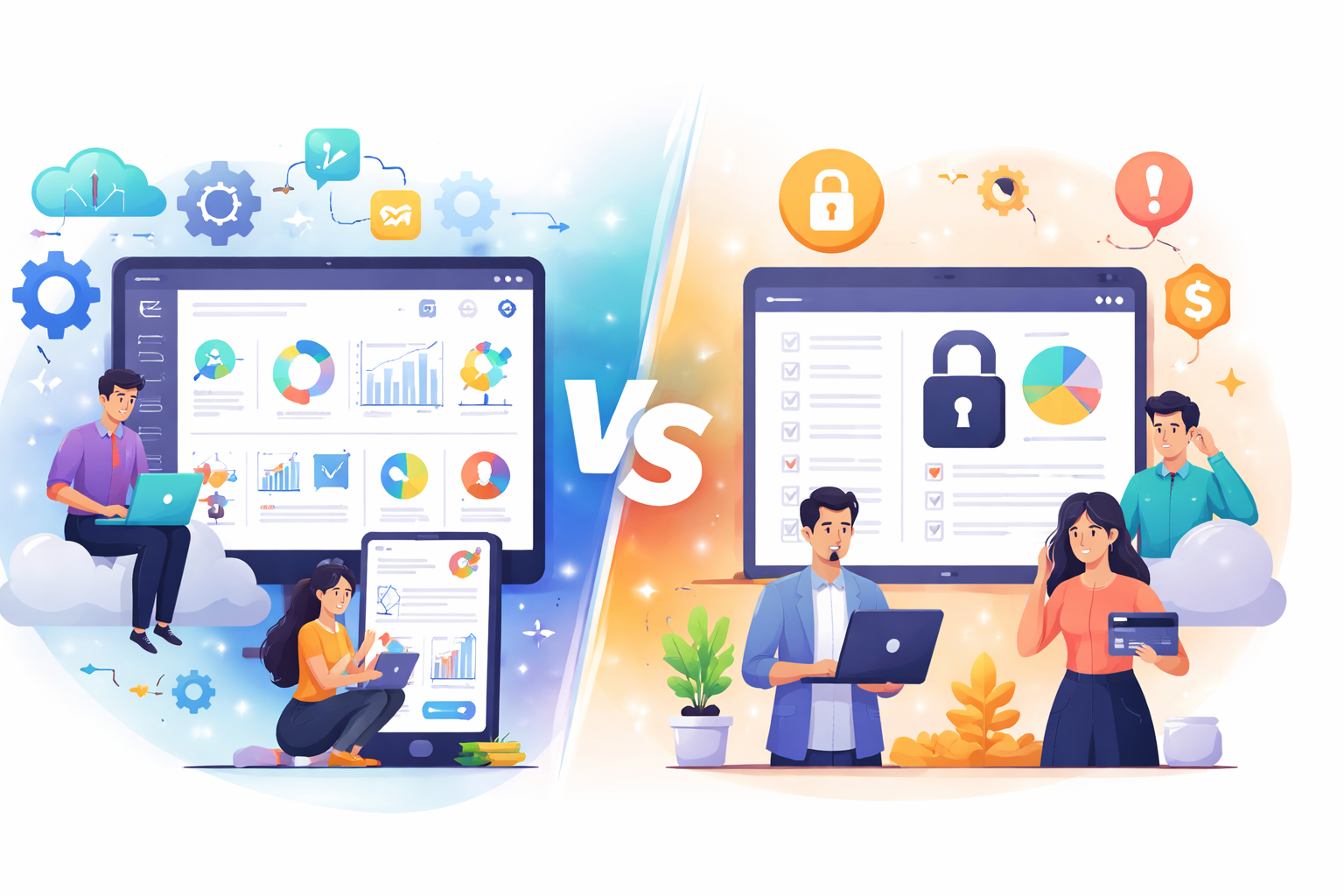
Off-the-shelf SaaS often fails when enterprises need:
- custom approval chains
- complex roles
- internal data models
- ERP dependency
- unique compliance workflows
- multi-entity business logic
A custom portal gives full control over architecture, scaling, and security.
FAQ: Custom Enterprise Portal Development Services India
It is the process of building secure digital platforms that centralize enterprise workflows, users, approvals, and reporting.
Most enterprise portal projects range from ₹5 lakhs to ₹60+ lakhs, depending on complexity.
React, Node.js, .NET, Java, PostgreSQL, Kubernetes, and Azure/AWS are widely used.
A standard enterprise portal usually takes 8–20 weeks.
Reference
Written by

Paras Dabhi
VerifiedFull-Stack Developer (Python/Django, React, Node.js)
I build scalable web apps and SaaS products with Django REST, React/Next.js, and Node.js — clean architecture, performance, and production-ready delivery.
LinkedIn